In‑shed feeding

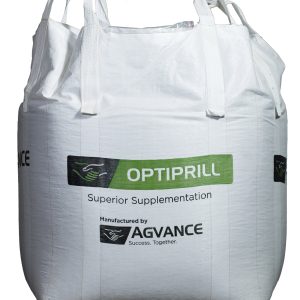
In‑shed feeding gives you more control over mineral delivery for herds that are hard to manage at pasture. Optiprill uses prill technology to deliver balanced, palatable mineral premixes tailored to regional needs so cows eat their full ration and get the nutrients they need to stay healthy and productive.
Timing and risk windows

Routine milking herds

Main risk: Low-level, chronic mineral shortfalls that reduce fertility and production. In‑shed premix keeps steady background coverage.

Close‑up and calving window (3 weeks before to 72 hrs after calving)

Main risk: Rapid calcium and phosphorus demand. In‑shed premixes allow accurate, group‑level dosing for close‑up cows to reduce milk‑fever risk.

Seasonal shifts (spring grass, autumn supplements, drought feeding)

Main risk: Feed composition changes quickly. Optiprill formulations can be adjusted regionally (North/South Island) and for the current diet.

Youngstock and special feeds

Main risk: One blanket mix can miss life‑stage needs. In‑shed feeding with specific premixes ensures the right ratios for replacements or problem mobs.

What to do this week

  • Check which mobs you can reliably feed in‑shed (milkers, close‑ups, springers, youngstock).
  • Record the actual in‑shed ration ingredients and inclusion rates (TMR or meal) so premix rates are correct.
  • Talk to your vet or Agvance Consultant about an Optiprill formulation matched to your region and herd groups.
  • Order enough premix to run a trial batch for one mob and label feed lines clearly.
  • Train staff on accurate inclusion rates and recording product use.

What to monitor

In‑shed observations

  • Full, even intake at feeding; no sorting of the premix from the ration.
  • Cow condition, appetite and any signs of metabolic disease around calving.
  • Palatability issues (refusal or partial clean‑up) which indicate a mixing or inclusion problem.


On‑paper/ records

  • Feed mix inclusion rates, batch dates and product lot numbers.
  • BCS and milk yield trends by mob before and after premix introduction.
  • Incidence of down cows, milk fever, SCC and fertility changes.
  • Any blood or liver mineral test results used to refine formulations.

Matching products to your system

Optiprill premixes suit systems where you control daily intakes and can mix accurately.

Added to feed (good for in-shed, TMR, or where daily intake is tightly controlled)

Transition formulations (good when the calving mob needs more targeted mineral support)

Regional formulations (good when feed systems differ between the North Island and South Island)

  • Optiprill North Island – A range of Optiprill blends for North Island herds using in-shed feeding systems.
  • Optiprill South Island – A range of Optiprill blends to suit South Island herds, with regional options available depending on phosphorus, summer and rumen-support needs.
  • Optiprill Early Lactation North Island – Designed for North Island herds in early lactation, with balanced minerals, good palatability and easy in-shed use to support intake, health and production at peak demand.

Complementary use (good when you need core coverage plus support for specific gaps or pressure periods)

  • Optiprill plus Zinc – Best used when you need your in-shed mineral programme to also cover zinc for facial eczema prevention, while maintaining mineral balance and performance through summer.
  • Optiprill Summer – Best used alongside a base programme during hot weather when cows need extra support for summer production.
  • Optiprill Rumen Plus SI – Best used when early lactation cows need more rumen and mineral support.

Practical tips

  • Verify mixer calibration and inclusion accuracy each week.
  • Run a short trial and monitor intake and performance before changing herd‑wide.
  • Keep premix records so your vet/consultant can refine ratios with test results.

FAQs

Can I mix Optiprill with my current TMR or meal?

A. Yes, Optiprill is designed as an in‑feed premix. Provide your feed mix details to your consultant to set the correct inclusion rates.

A. Improvements in intake and fewer acute mineral issues can appear within weeks; production and fertility gains usually take months and depend on monitoring and follow‑up.

A. Prill form improves palatability and reduces sorting. If you see sorting, check particle size, moisture and mixing protocol.

A. Yes, Optiprill formulations can be regionally adjusted to reflect common feed and soil differences; work with your vet/ Agvance Consultant to choose the right mix.

A. Calibrate your mixer, record inclusion rates, label batches and train staff. Regular checks and feed records are essential.

A. Your vet or Agvance Consultant can specify the right Optiprill formula, inclusion rate and monitoring plan for your herd.

Recommended products

Have more questions or ready to order?

Your Agvance Consultant can help you set up a loose lick plan that matches your system and the time of year. Get in touch today. Ready to order? Simply head to My Account, log in or register, and complete your order online.

Search