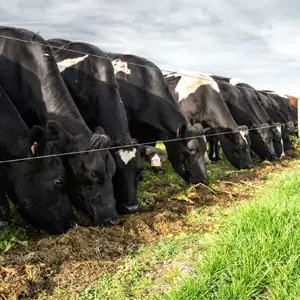
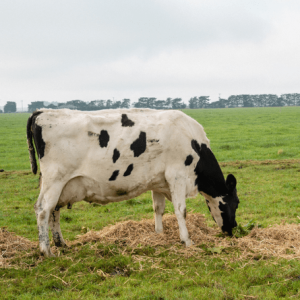
Autumn/ spring calving
Transition management for calvers

Start your cows on the right foot before calving. Ensuring your calvers are receiving a balanced ration of macro and micro minerals will go a long way to setting them up for a successful season. Energy demands peak as cows move from pregnancy into lactation, and when calvers lack key nutrients, vitamins and minerals in the lead-up to calving you risk metabolic disease, poor milk and fertility, and weaker calves. 

A successful transition means the cow will come into lactation with better rumen performance, lowering the risk of metabolic disease and increasing the likelihood of a healthy calf. The transition and early lactation period for calvers require a diet high in calcium, magnesium, and phosphorous, as well as trace elements. Rumen buffers are useful in stabilising rumen pH over this time. The cow’s digestive system must be transitioned to a level where she can digest as much good quality feed as possible during this time to in order to maintain condition, produce milk, and drive the hormones required over the coming months to become pregnant again.
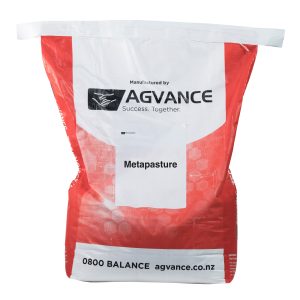
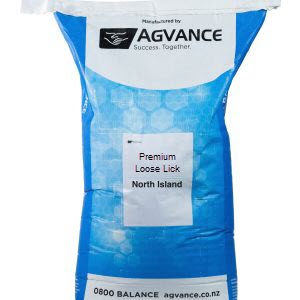
Read More

Timing and risk windows

Close-up (3 weeks before calving)

Main risks: mineral shortfalls (calcium, phosphorus, magnesium), appetite shifts and uneven intake as diets change. Plan mineral delivery and keep fibre in the ration now.

Calving day and first 48–72 hrs

Main risks: rapid calcium demand (clinical milk fever), retained membranes and down cows. Immediate calcium support and rapid response for affected cows is critical.

Early lactation (first 3 weeks after calving)

Main risks: negative energy balance, ketosis and ongoing mineral gaps. Appetite recovery and rumen stability determine milk yield and fertility outcomes.

Seasonal variation (autumn vs spring)

Autumn calving: pasture quality can be variable so watch for low-digestibility forage and top up with silage/straw and minerals.

Spring calving: rapid pasture growth and higher sugar can upset the rumen if transitions are too fast, so ensure fibre and controlled step-ups.

What to do this week

  • Record BCS for close-up calver mobs and flag thin or over‑conditioned cows.
  • List the actual daily diet for each mob (pasture %, silage, straw, PKE, meal), base mineral choices on what cows actually eat.
  • Choose and source a mineral delivery method you can manage reliably for close‑up and springers (free‑choice lick, dusting, water, in‑feed) and have product on farm.
  • Ensure adequate fibre (silage or straw) if cows face high‑sugar pastures or rapid diet changes.
  • Check water access, feedpad/break space and reduce competition so shy feeders get consistent intake.
  • Prepare calving and down‑cow kit and brief staff on when to call for help.

What to monitor

In the paddock

  • Appetite, clean‑up and signs of shy or bullied feeders at breaks.
  • Rumen fill, behaviour (dullness, reluctance to move) and urine/faeces changes during step‑ups.
  • Any cows showing weakness, reluctance to stand or milk‑fever‑like signs around calving.
  • Condition of pasture (sugar content, fibre) and access to water.

On paper

  • BCS trend through the dry period and at calving by mob.
  • Transition notes: step‑up rates, setbacks, and mobs that struggled.
  • Incidence of milk fever, down cows, retained membranes and early lactation illness.
  • Results from any blood or liver mineral testing (timed with your vet/nutritionist).

Matching products to your system

Agvance has products for each system – free choice, dusting, water-soluble and premix options. Use the following as a starting point. Final rates still depend on diet details and vet or nutritionist advice.

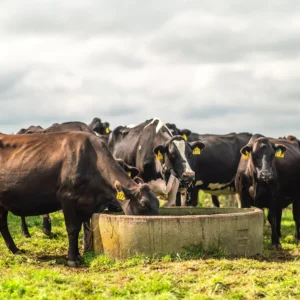
Free choice (good when cows are grazing and intake varies)


Dusted onto daily supplement (good when cows get silage, straw or PKE every day and you want even coverage)

  • Premium Transition Premix North Island and Premium Transition Premix South Island – Specifically designed for North Island and South Island springers to support rumen function and provide the trace minerals needed during transition.
  • Anionic Springer Blend – Helps reduce the risk of milk fever and other transition issues by lowering DCAD in springer diets. This high-chloride premix supports calcium mobilisation, muscle tone and feed intake for a smoother calving and faster recovery after calving.


Added to feed (good for in-shed, TMR, or where intake is tightly controlled)


Targeted options (good for individual high-risk cows, under vet guidance)

  • Boluses, drench, or injectable calcium – Use for individual high-risk cows or emergency treatment, not as a substitute for group-level planning.

FAQs

What should I check in calvers before calving?

A. Appetite, rumen fill, dung consistency, BCS, udder/teat development and mobility. Flag any off‑feed or “flat” cows for close monitoring.

A. A consistent, predictable ration with adequate fibre (silage or straw). Avoid sudden increases in high‑sugar or high‑energy feeds in the final 2–3 weeks.

A. Calcium, phosphorus and magnesium are priorities; include trace elements as advised by your vet or nutritionist based on diet and herd history.

A. Match the method to how cows are fed: free‑choice for grazing mobs, dusting for daily supplements, water for reliable water systems, and in‑feed for tight intake control. Pick what you can manage consistently.

A. For any down cow that won’t stand, sudden clusters of cases (multiple down cows or severe metabolic signs), or when you need diagnostics (blood tests for Ca, Mg, P or metabolic profiling).

Recommended products

Have more questions or ready to order?

Your Agvance Consultant can help you set up a loose lick plan that matches your system and the time of year. Get in touch today. Ready to order? Simply head to My Account, log in or register, and complete your order online.

Search