Organic farming in New Zealand

Certified organic dairy systems require careful planning to meet production goals while staying within certification rules. Minerals play a big part of that plan. Matching approved mineral inputs to your farm’s feeds, pasture and calving management helps protect cow health at a time of high risk, particularly the weeks around calving and early lactation.

This page is your quick guide to:

  • Timing and risk windows
  • Practical steps to take this week
  • What to monitor on-farm and on-paper
  • How different organic-approved delivery methods fit common systems
  • Answers to the most common questions organic farmers ask
 

Talk to your Agvance Consultant today

Timing and risk windows

Pre-calving (four to two weeks before calving)

  • Organic farms must plan earlier to mitigate calving risks because some feed-based delivery options can be limited. 

Calving to two weeks post-calving

  • Highest metabolic and immune pressure. Cows need steady energy and accessible minerals to support appetite, calcium mobilisation and immune function.

Weeks 3 to 6 post-calving

  • Ongoing negative energy balance, higher risk of subclinical disease and fertility setbacks. Monitor recovery from calving, milk yield, and any persistent losses of condition that suggest intake or mineral shortfalls.

What to do this week

Check your certification rules and vet sign-off

Confirm which mineral products are approved for your certification scheme and ensure any changes are logged with your certifier. Work with your vet on prescribed products if required.

Map the close-up and fresh cow feeding plan

Write down exactly what cows will eat from three weeks before calving until six weeks after. Note pasture, conserved feeds, crop components and any supplements. Identify likely mineral gaps based on feed tests or known crop profiles.

Choose a delivery method that will be eaten

Decide whether free-choice lick, in-shed inclusion, dusting on conserved feeds, or water-soluble dosing works best for your set-up and certification. Use multiple stations or targeted feeding for springers to reduce dominance issues.

Protect shy feeders and priority groups

Plan separate mobs or drafting for thin cows and heifers where possible so you can deliver targeted mineral support and energy without breaching group feeding rules.

Monitor intake and behaviour daily

Walk fresh mobs and note cows that leave feed early, show low rumen fill or separate from the mob. Early detection prevents small problems from becoming big ones.

What to monitor

In the paddock and yard

  • Appetite and rumen fill for fresh cows and springers, watch for reduced grazing or unfinished allocations.  
  • Coat condition and body condition score trends through early lactation; rapid condition loss signals a system issue.  
  • Udder health and milk quality at first milking, early mastitis or high SCC patterns often reflect transition stress.  
  • Any clusters of poor performance linked to particular paddocks or conserved feed batches.


On paper and records

  • Bulk tank SCC, individual cow SCC trends and mastitis treatments.  
  • Milk yield patterns, especially peak yield and slope after calving, compared to expectations.  
  • Treatment records for metabolic disease, retained placenta or down cows. Look for patterns rather than single events.  
  • Any feed test results and recorded mineral usage. Track intake from free-choice stations if possible.

Matching products to your system

Choosing an approved product is about two things: certification compliance and reliable cow intake.

Agvance supports the growth of Certified Organic Farming in New Zealand with a complete and customisable range of approved minerals.

High standards are required to meet the requirements of certified organic farming. Agvance is proud to have the systems, capability and professional veterinarian network in place to achieve these requirements.

In-shed or in-mix inclusion

Precise intake control when cows visit a feed pad or yards regularly. Good for close-up groups and springer mobs.  

Dusting or top-dressing on conserved feeds

Useful when cows get a consistent conserved feed ration. Helps target minerals during winter feeding.  

Water-soluble dosing

Rapid delivery to a group if water systems are reliable and dosing is accurate. Useful for short-term targeted boosts.  

Controlled supplementary feeding

Drafting springers or thin cows into a small group allows targeted higher-dose mineral and energy delivery and avoids dominance issues.  

Custom blends and vet-advised products

Tailored to the specific feed base and mineral gaps on your farm. Vet involvement helps meet certification requirements and ensures the product is fit for purpose.  

Products that match the above systems:

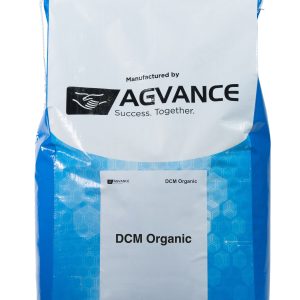
  • DCM Organic: Offers a certified organic mineral solution that meets the high standards required for organic farming, ensuring your dairy herd receives essential nutrients without compromising your certification. Flexible delivery methods to suit your system – mixer wagon, trough, dosing pump or dosing bin. 
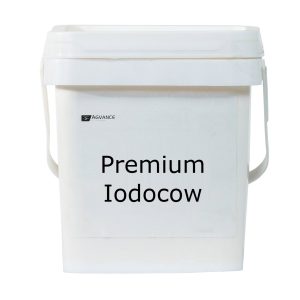
  • Iodocow: A flexible and cost-effective way to increase energy levels in your cows when they need it.
  • Scientifically-proven benefits:
  • Energy boost
  • Increase immunity
  • Increases metabolic rate
  • Accelerates growth


If you require high-quality, approved mineral inputs for your farm, ask your vet about the Agvance organic range.

FAQs

What mineral options suit organic dairy systems?

Options include certified free-choice licks, approved in-shed inclusions, water-soluble products where permitted, and dusting on conserved feeds. Always check your certifier’s rules and get vet sign-off where required.

Start planning before winter. Feed test conserved feeds, map likely gaps, and choose a delivery method that ensures springers and fresh cows get consistent intake. Separate vulnerable cows for targeted feeding where possible.

Map which feeds and paddocks affected cows had access to, check water and feed access, test suspect conserved feeds for spoilage, and review mineral delivery and intake. Work with your vet on blood or liver tests for trace minerals if issues persist.

They can, but intake is variable. Use multiple stations, monitor who is eating and combine free-choice with targeted delivery for priority groups when possible.

Your certifier and your vet are key. Many certified products require a veterinary prescription or recording. Always confirm requirements before changing products.

Recommended products

Have more questions or ready to order?

Your Agvance Consultant can help you form the best plan of attack for your fodder beet mineral programme. Get in touch today. Ready to order? Simply head to My Account, login or register, and complete your order online.

Search