Fertility / Reproduction

At a glance

Fertility problems usually result from a mix of metabolic stress, nutrition gaps and health issues. High‑producing cows are most at risk as immunosuppression, poor body condition, mineral shortfalls and disease (metritis, mastitis, lameness) all reduce conception and increase empty cows. Early detection and a simple plan that includes diet, monitoring and targeted mineral support helps get cows cycling and conceiving on time while limiting losses.

What you might notice on-farm

  • Delayed first cycle or long intervals to first heat.
  • Abnormal cycles or increased ovarian cysts.
  • Metritis/ endometritis.
  • Reduced conception rates and more services per pregnancy.
  • Higher incidence of lameness or mastitis linked to poor submission/conception.
  • Calves lighter at birth or slower to thrive.

What good looks like

  • Majority of cows return to first cyclicity within expected timeframe for your herd.
  • Submission and conception rates within herd targets (track by mob).
  • Low incidence of uterine disease and rapid uterine involution post‑calving.
  • Stable BCS through calving and breeding (mob‑appropriate targets).
  • Clear, recorded reproductive performance metrics and prompt investigation when trends disappear.

Follow these quick checklists

What to do today

  • Pull BCS by mob and flag thin cows and repeat breeders for priority review.
  • Check fresh and breeding mobs for discharge, lameness, mastitis or abnormal behaviour.
  • List actual feeds and recent diet changes that could affect intake or metabolic status.
  • Schedule a vet review for any cluster of uterine disease, repeat breeders or sudden drops in conception.

What to do this week

  • Prioritise reproductive exams for late‑calving or repeat‑breeder cows.
  • Start targeted sampling (blood/liver) in problem mobs with your vet/nutritionist.
  • Check heat detection/AI protocols, bull fertility and submission timing.
  • Review dry period and transition records to identify where issues likely began.

Before the next breeding round:

  • Ensure high‑risk cows (low BCS, prior mastitis or metritis, lameness) have tailored plans.
  • Confirm mineral and energy coverage is matched to the actual diet and delivery method.
  • Brief team on detection and culling/management decisions for repeat problem cows.

Issues, likely causes and where to start

Delayed return to cyclicity or long intervals to first service

Likely causes:

  • Negative energy balance, low BCS or poor feed quality.
  • Mineral deficiencies (especially phosphorus, selenium, zinc and copper) affecting ovarian function.
 

Start with:

  • Check BCS and feed intake, run blood metabolic profiles, and target energy/trace mineral support.

Low conception rates/ many services per conception

Likely causes:

  • Poor AI timing/heat detection, bull subfertility, uterine disease, mineral or energy shortfalls.
 

Start with:

  • Audit heat detection and AI technique, vet reproductive exam for problem cows, and assess nutritional drivers.

Purulent discharge, metritis or retained membranes

Likely causes:

  • Dystocia, poor calving hygiene, immune suppression from negative energy balance.


Start with:

  • Clinical exam and veterinary treatment; review calving assistance practices and dry‑period immune support.

Purulent discharge, metritis or retained membranes

Likely causes:

  • Dystocia, poor calving hygiene, immune suppression from negative energy balance.


Start with:

  • Clinical exam and veterinary treatment; review calving assistance practices and dry‑period immune support.

Lameness or mastitis affecting reproduction

Likely causes:

  • Pain, reduced mounting behaviour and systemic inflammation lower submission and conception.


Start with:

  • Triage lame or mastitic cows for treatment, and audit housing/walks to reduce risk and improve submission rates.

When to call the vet

Contact your vet promptly for:

  • Clusters of metritis, retained foetuses or repeated early pregnancy losses.
  • Rapidly falling conception rates across a mob or herd.
  • Multiple cows with ovarian dysfunction or suspected infectious causes.
  • When you need diagnostics beyond on‑farm checks (uterine swabs, ultrasound, blood/liver mineral panels).

How minerals fit in

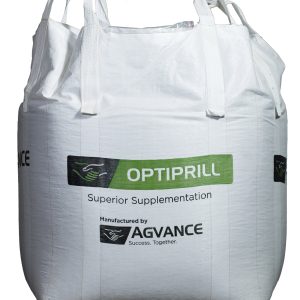
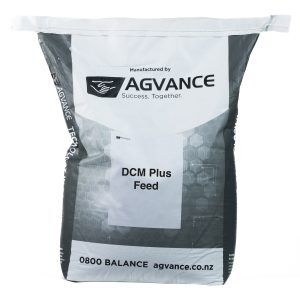
Mineral shortfalls (phosphorus, selenium, zinc, copper, iodine, cobalt) and imbalanced macro minerals or energy intake impair ovarian function, immunity and conception. Minerals are part of a broader reproductive plan, so match supplementation to feed analysis, herd risk and delivery method.

Practical mineral actions

  • Test to find gaps: Blood or liver testing timed with your vet gives direction.
  • Match delivery to behaviour: In‑feed/premix for tight intake control, free‑choice for grazing mobs, water or dusting for short courses where appropriate.
  • Target high‑risk groups individually (boluses, injectables) under vet guidance rather than blanket treatments.
  • Use customised premixes where feeds are unusual (fodder beet, brassicas, maize) to rebalance the full ration.

FAQs

What causes poor fertility in dairy cows?

A: Poor fertility is usually multifactorial — metabolic stress, negative energy balance, mineral and vitamin deficiencies, infectious uterine disease, lameness and poor heat detection all contribute. Often several factors combine, so use records and testing to pinpoint the main drivers.

A: Look for delayed first return to cyclicity, weak or absent heats, increased services per conception, purulent vaginal discharge, repeat breeders and rising empty rates. Track these metrics by mob to spot patterns early.

A: Common causes are low body condition or negative energy balance, mineral shortfalls (phosphorus, selenium, zinc, copper, iodine), systemic disease or recent metritis, and stressors like lameness or poor housing. Address energy intake, body condition and micronutrient status first and investigate underlying disease.

A: Early pregnancy loss is often linked to metabolic stress, poor embryo environment (uterine infection, inflammation), mineral deficiencies or timing/AI issues. Check for uterine disease, review mating technique/timing and assess nutrition and mineral coverage during the implantation window (3-8 weeks).

A: High empty rates stem from a mix of poor conception (AI/bulling issues), early embryonic loss, disease burden (metritis, mastitis), chronic lameness, or persistent nutritional/mineral gaps. Use records, veterinary diagnostics and feed/mineral testing to find the pattern.

A: Negative energy balance and low BCS delay return to cyclicity and impair oocyte and embryo quality. Mineral deficiencies (macro and trace) weaken immunity, hormone function and uterine health – together these reduce conception and increase early losses.

A: Start with heat detection and AI timing/technique, bull fertility (if used), and walk mobs for lameness or mastitis. Check BCS trends, recent feed changes, and run feed and targeted blood/liver mineral tests with your vet/nutritionist as needed.

A: These conditions reduce mounting and standing behaviour, lower conception probability, and cause systemic inflammation that harms ovarian and uterine function. Prioritise treatment, cull where appropriate and reduce herd‑level prevalence to protect reproductive performance.

A: Call your vet for clusters of uterine disease, sudden or sustained drops in conception rates, repeated early pregnancy loss, multiple cows with ovarian dysfunction, or when you need diagnostic sampling (uterine swabs, ultrasound, blood/liver tests).

A: Use feed tests and targeted blood/liver sampling to identify real gaps, then match delivery (in‑feed, free‑choice, water, targeted boluses) to how cows actually eat. Minerals support immunity, ovarian function and embryo survival, but must be part of a broader nutrition and health plan, they’re not a standalone cure.

Take action with

Let’s work together

Whether you’re looking to fine-tune mineral levels, improve herd health, or get tailored nutrition advice, we’re here to help.

Agvance Nutrition is proudly BioGro certified, with a wide range of livestock and soil nutrition products approved for organic use.

Search