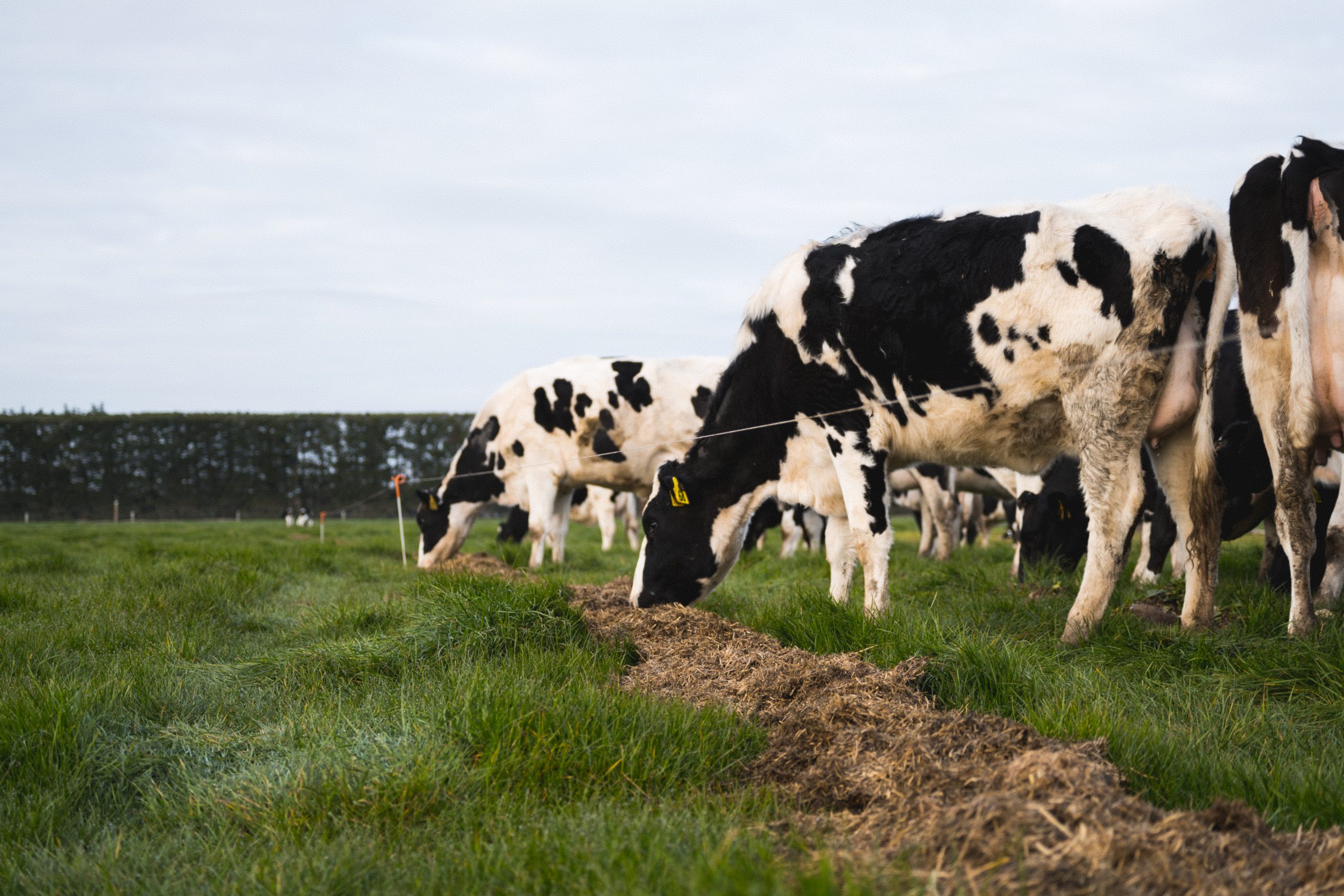
MANAGING THE RUMEN FOR BETTER COW HEALTH AND PRODUCTIVITY
If we’re expecting excellent health and productivity from our cows, we need to make sure the rumen is balanced, from dry-off to calving. Managing this

If we’re expecting excellent health and productivity from our cows, we need to make sure the rumen is balanced, from dry-off to calving. Managing this
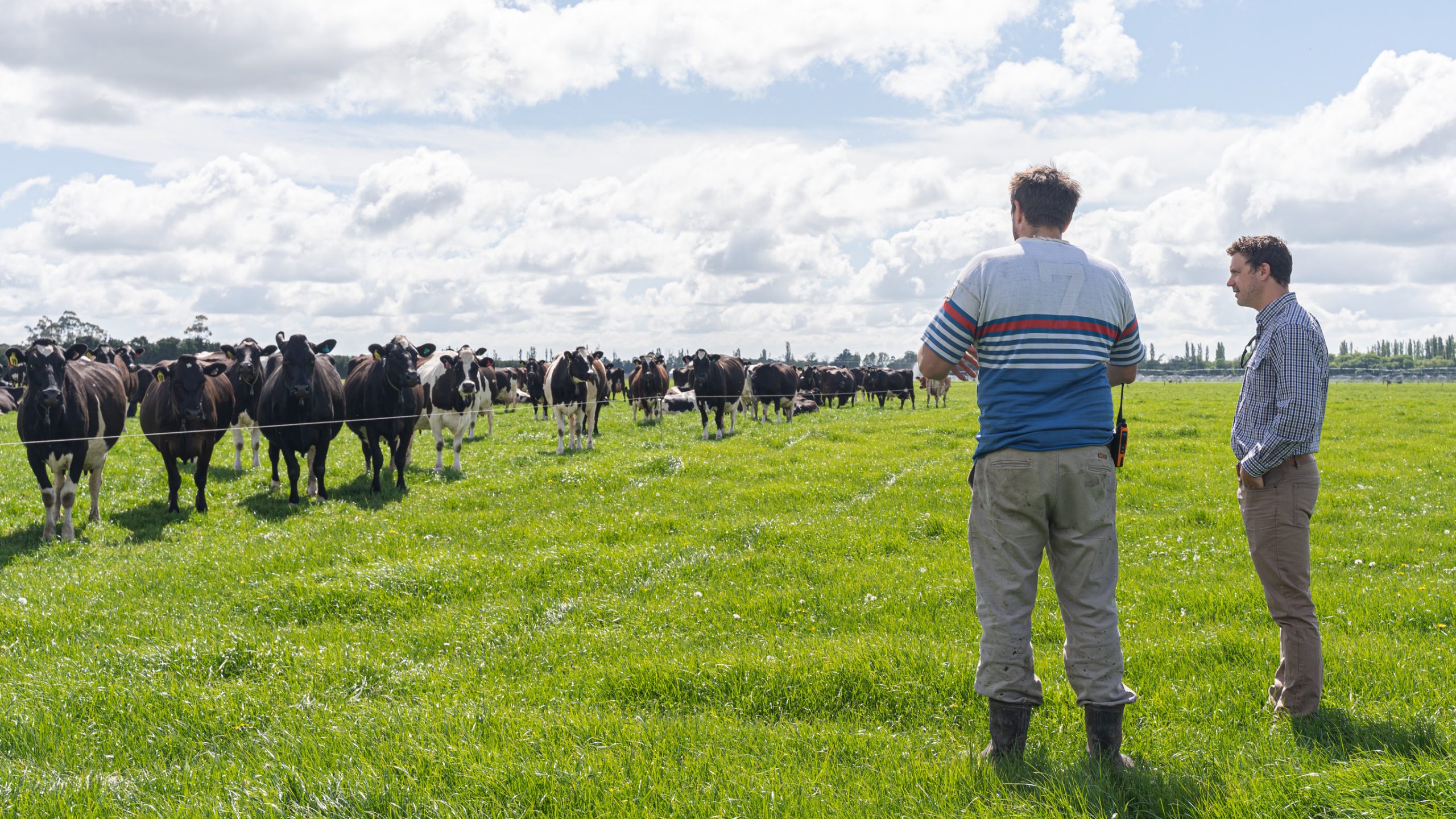
The importance of a well-functioning rumen for transition is especially emphasised in New Zealand’s diverse climatic and grazing conditions. Due to our reliance on a
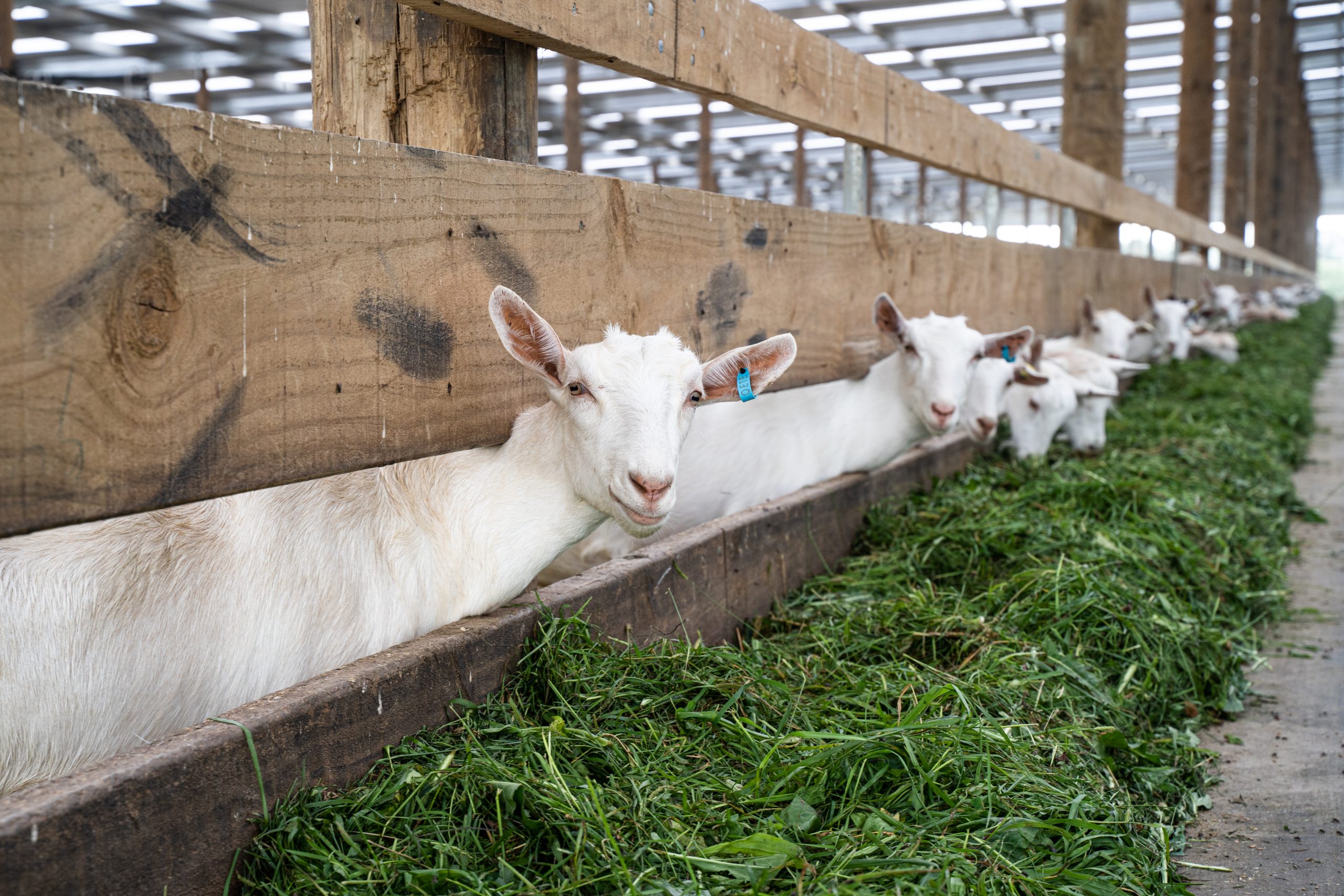
Managing trace mineral levels in dairy goats As high-performance ruminants, dairy goats need specialised nutrition to have them functioning at their best. When it comes
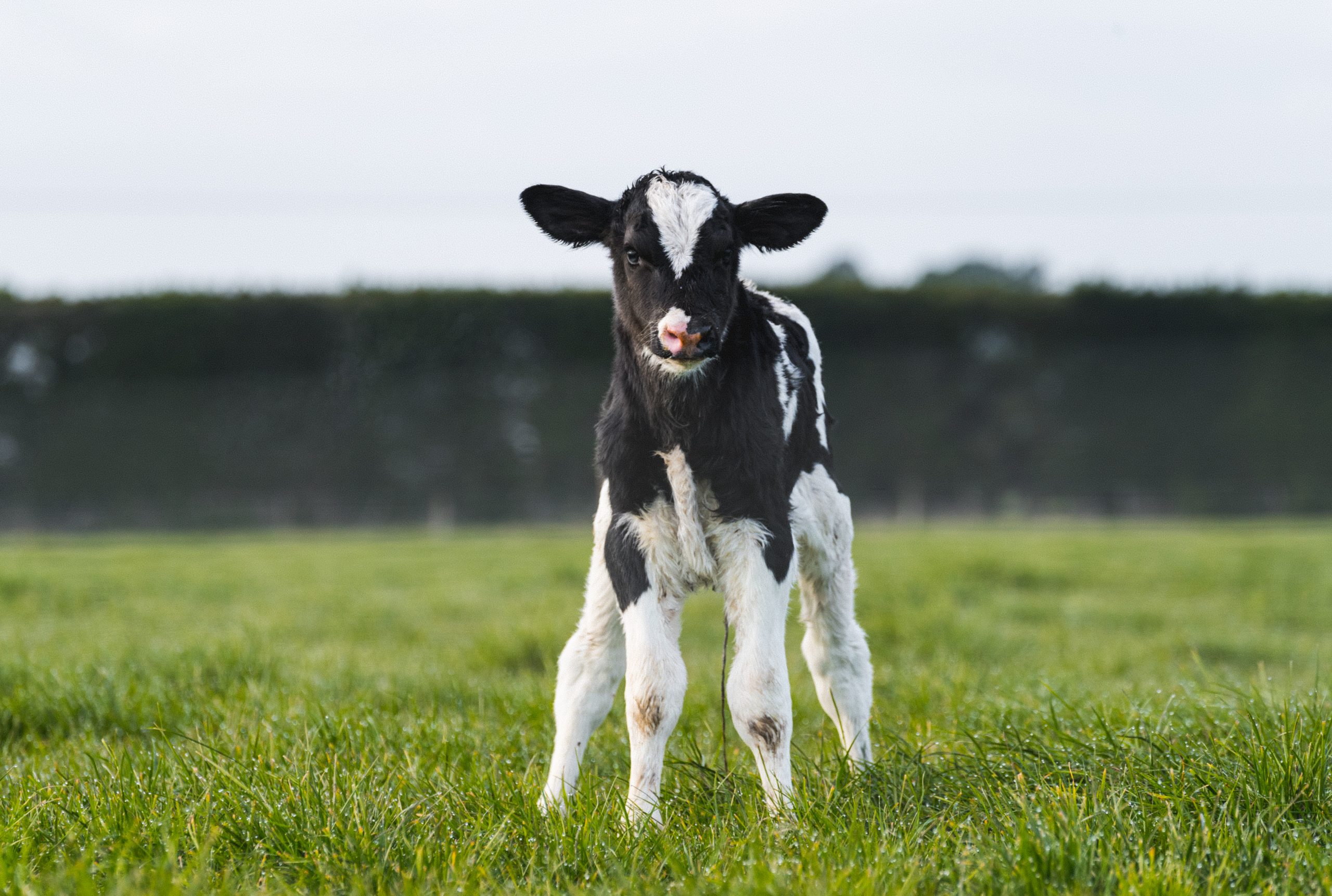
The lead up to another calving period means the next few weeks offer an opportunity to meet the nutritional demands of your cows. Good nutrition
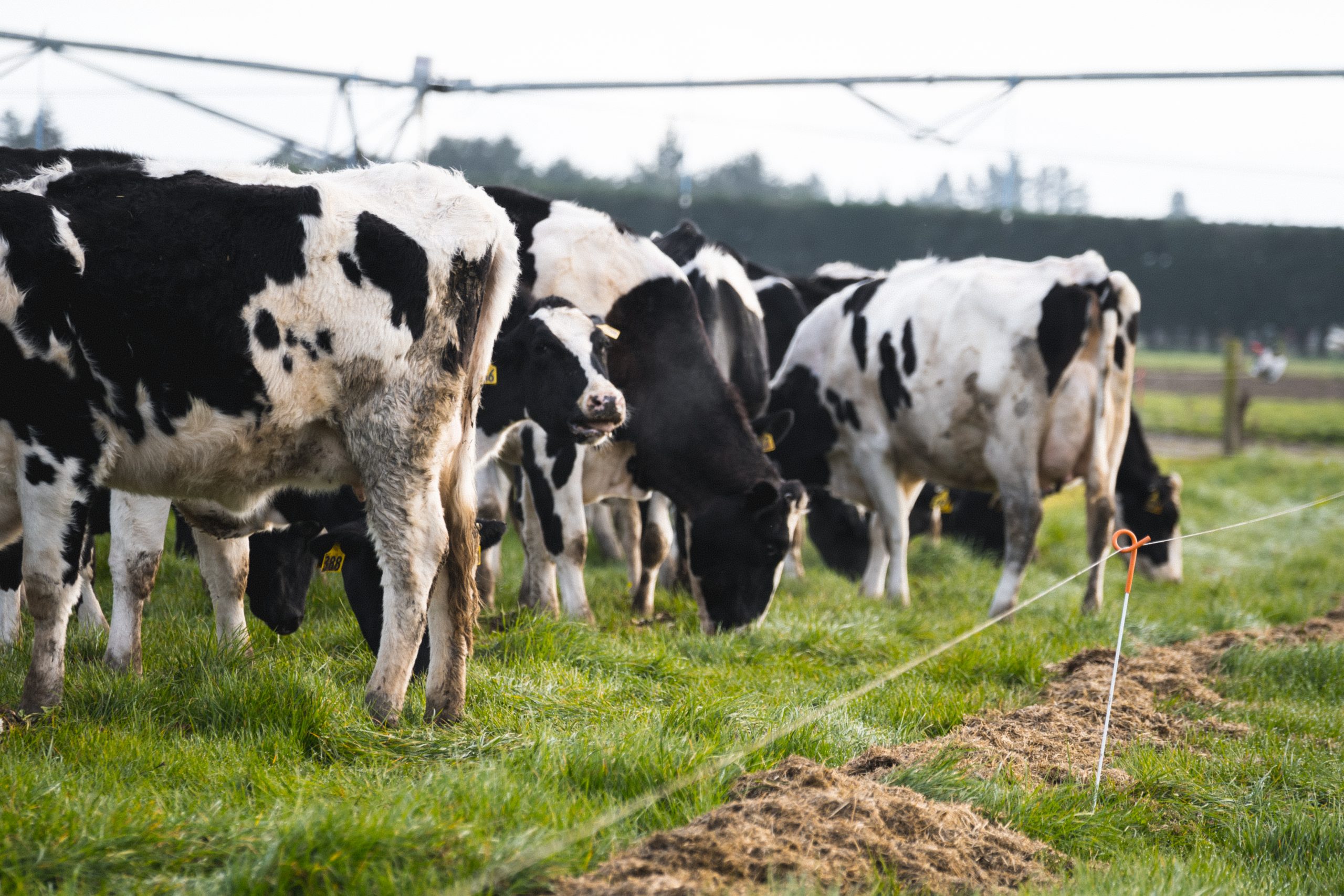
The arrival of another busy calving period means the next few weeks represent a critical time for cows and calves alike. Both need the best
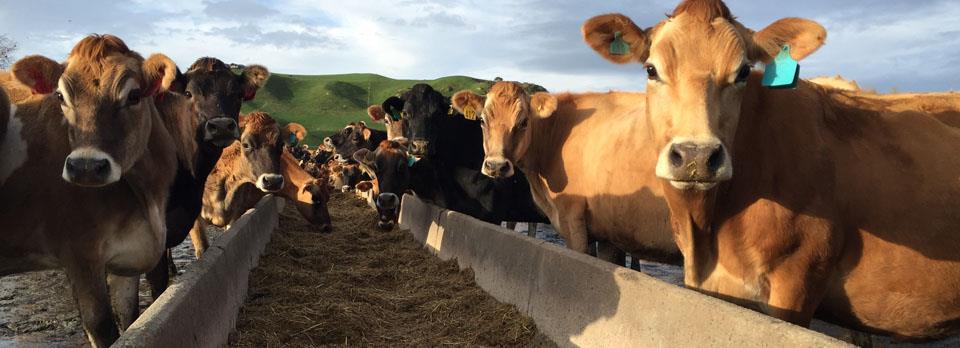
On so many farms the familiar smell of silage is the sickly cloying smell of butyric acid.
The same smell that gets you ordered to take a shower when you come in for breakfast after feeding out, the smell that makes most townies hold their noses. That smell has become so familiar over the years that many farmers naturally associate it to silage – it is prevalent across most farms during periods when silage is being fed. The funny thing is, good silage shouldn’t really have any smell at all. The familiar sickly smell is actually a sign of secondary fermentation that has caused butyric acid to form within the silage. And that smell is costing you money as it is a sign that the silage has lost some of its nutritional value. A good quality fermentation should be purely based on lactic acid, and lactic acid actually has very little smell.
WHAT’S GOING ON IN THE SILAGE?
As mentioned butyric acid is formed during secondary fermentation, produced by aerobic clostridial bacteria this fermentation is indicative of decomposition of the naturally formed (anaerobic) lactic acid. Aerobic fermentation degrades much of the original protein in the grass. Some farmers are naturally confused because butyric acid fermented silage is so common here in New Zealand they inherently associate the butyric acid smell to silage.
Added to this dilemma butyric acid fermented silage, while still being nutritionally degraded, can be very stable. Its high acidity levels can make it largely immune to moulds and any further degradation. However at this point the cost has already been paid, this butyric acid fermented silage has lost much of its protein as this has been used up during fermentation.
GOOD SILAGE MAKING IS A FINE ART.
NEW ZEALAND SOILS ARE LOW IN SELENIUM
Selenium is an essential trace element for ruminants and required for growth, fertility and the prevention of mastitis and calf scours. However, selenium deficiency is prevalent in soils around the country. This presents an issue every farm manager would benefit from understanding better. A new generation of organic selenium supplementation (called Excential Selenium 4000) will be introduced into New Zealand this year. It’s an exciting development, providing a significant improvement to previous options for selenium supplementation on the farm. But first we need to understand the relevance and impact of selenium deficiency.
WHY IS SELENIUM IMPORTANT?
Specific enzymes (selenoproteins) require the incorporation of selenium to ensure their activity in the animal. These enzymes reduce the presence of oxide radicals (produced during normal metabolic activity and elevated during stressful periods) that cause cell damage and subsequent malfunction of tissues. Protection against these harmful by-products is especially important in high-energy demanding cells such as heart, muscle and mammary gland cells.
Unfortunately, there is often a selenium deficiency in animals due to limited uptake from the diet. These deficiencies can be pronounced in ruminants grazing on pastures grown on selenium-deficient soils, such as here in NZ. Resulting challenges may include suboptimal milk production and fertility, mastitis and premature, weak calves. In places with severe selenium deficiency calves have poor growth rates, difficulties standing, and sudden deaths can occur. To prevent this, it is important to provide additional selenium via the diet and assess regularly the selenium status of the herd by analysing blood and milk.
SELENIUM DEFICIENCY – A NUTRITIONAL SOLUTION
Selenium can be added to the diet in either inorganic or organic forms. The advantage of using organic selenium over inorganic sources (e.g. sodium selenite or selenate) is its ability to be incorporated directly into animal proteins. This incorporated selenium (in the form of L-Selenomethionine) acts as a storage depot of selenium inside the animal. L-Selenomethionine is the only selenium compound that can be directly, without conversion, built into animal structural proteins (i.e. muscle and liver). This ensures optimal selenium supply, even during stressful periods (e.g. calving, lactation, heat) when selenium intake is required most by the animal.
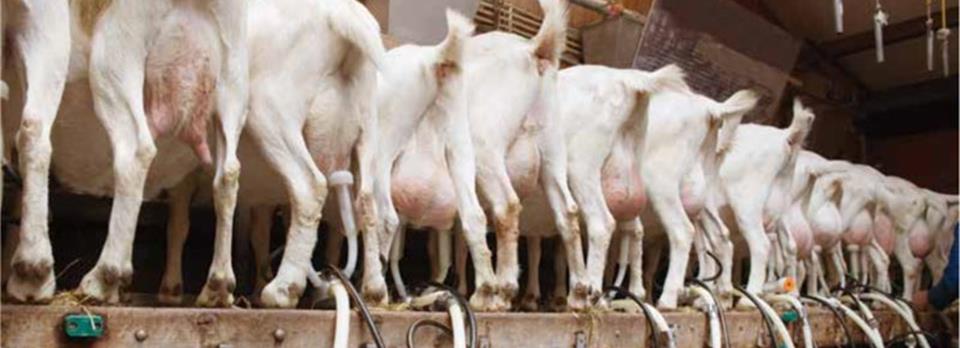
It is tempting, given the limited research around goat nutrition to assume a goat’s nutritional requirements fit somewhere between that of sheep and cattle. This assumption would be a mistake. When it comes to mineral nutrition goats have very different requirements.
Based on a goat’s production level when related to body weight and feed intake, these small ruminants are probably better compared to the ruminant equivalent of an F1 racing car. Just as you wouldn’t run a high performance car on low octane fuel, you shouldn’t feed your goat the same way as you would cattle and sheep. Goats have different and very specific nutritional requirements. If these requirements are not met, the animal will not perform to its full potential, and worse still will be subject to a higher level of disease.
The interesting thing about goats is that their requirement is both higher and lower depending on the element in question. While their milk is in many ways more nutritious than that of a dairy cow, nature has at the same time designed the animal to survive under very different conditions, and on a very different diet from that of a cow.
SO WHAT ARE THE MINERAL REQUIREMENTS OF DAIRY GOATS?
Lets start with one of the key macro elements, phosphorous. Goats typically have a lower requirement for phosphorous to that of dairy cattle. They seem to be better at recycling it and while they have higher levels in their saliva, losses during rumination are lower than that of a cow.
In contrast calcium requirements are quite high and should be set at least twice that of phosphorous in the diet.
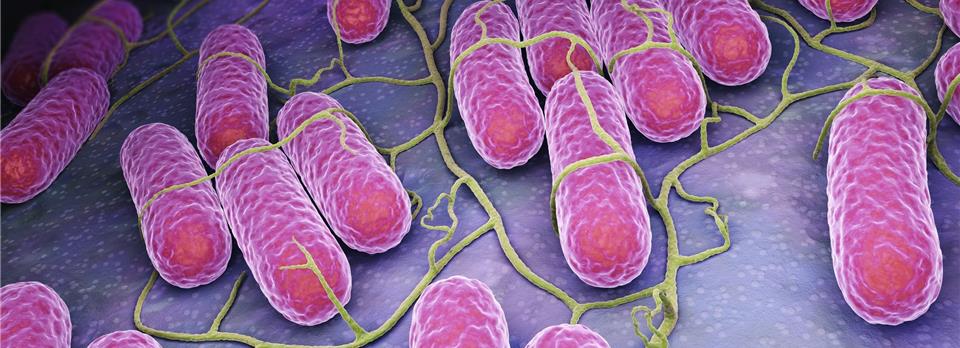
Salmonella link to coarse grade and palleted Magnesium Oxide in Feeds
Over the past few weeks, a number of vets have been reporting Salmonella outbreaks on dairy farms. Our investigations on some of these farms indicate that these outbreaks seem to correlate to use of pelleted Magnesium Oxide being fed in palm kernel based feeds. Although one of the farmers we interviewed, reported some salmonella before feeding the PKE containing the coarsely ground magnesium oxide, he reported that after introducing the feed the disease took off. On discussions with some in the feed industry it would seem that coarsely ground magnesium supplements may have been widely used throughout the feed mill industry over the past 2 seasons. This magnesium is a little different to that used in the past and the pelleted magnesium associated with the outbreaks of salmonella reported in Taranaki. Prior to the last two seasons this coarsely ground form of magnesium oxide was formerly only sold into the fertiliser market and has large particle sizing, ranging from 2mm – 5mm. We believe the same risk factors are involved as those reported in the Taranaki outbreak of 2011 at that time associated to a prilled magnesium oxide product used in those feeds.
A case controlled study was performed in 2011 – 2012 to identify herd-level risk factors for acute Salmonellosis. It is our belief that the most recent outbreak has many of the same issues in common with the earlier outbreak. This summary, identified a number of risk factors that contributed to this sudden outbreak of the infection across a large number of herds, most particularly highlighted was the strong connection between feeding granulated magnesium supplements and prevalence of the disease.
click here to read study
CONTRIBUTING FACTORS IDENTIFIED IN THIS REPORT WERE AS FOLLOWS:
1) Continuous feed troughs – consumption of supplementary feed from shared troughs varies amongst individual cows where dominant cows will consume more than their allotted daily feed allowance, with submissive cows consuming less. Fluctuations in feed intake could affect the rumen microflora balance, allowing salmonella to multiply and cause infection. Reduce risk by using individual troughs.

Innovation through customisation
WHAT IS CUSTOMIZER?
Customizer is an innovative, powerful computer program from Agvance that enables vets and animal nutritionists to formulate custom mineral and vitamin blends and premixes, specific to a customer’s herd requirements. In the past, blood and liver biopsy results have been supplied to farmers with simple recommendations to supplement the elements found deficient, without any professional advice on what type of element or which product would be most suitable. Customizer takes this guesswork out of animal nutrition by allowing qualified people to quickly and easily formulate comprehensive nutrient formulations specific to any situation. Reports are also generated giving detailed information on each element used so that the farmer knows why each mineral is being recommended and how it will benefit their animals.
Once a blend is confirmed and been approved by all parties, each formulation is blended and bagged. Bags are well labelled indicating ingredients, daily dose rate and other relevant information.
FACTS & BENEFITS ABOUT USING CUSTOMIZER:
1 Utilize expertise – only qualified vets or animal nutritionists have access to the program and are able to formulate blends
2 Custom blends – target the specific deficiencies that may be affecting the health of a herd
3 Premixes – a feed module within the program that accurately calculates mineral requirements for a transition cow
4 Accurate reporting – keeps accurate records so that you can track changes from season to season and make any necessary changes
5 Easy and quick to use
6 Total flexibility – wide range of minerals, vitamins & additives to choose from
7 Highly Soluble blends – easy to administer through water, feeds & drenches
8 Access to a library of information on Customizer itself