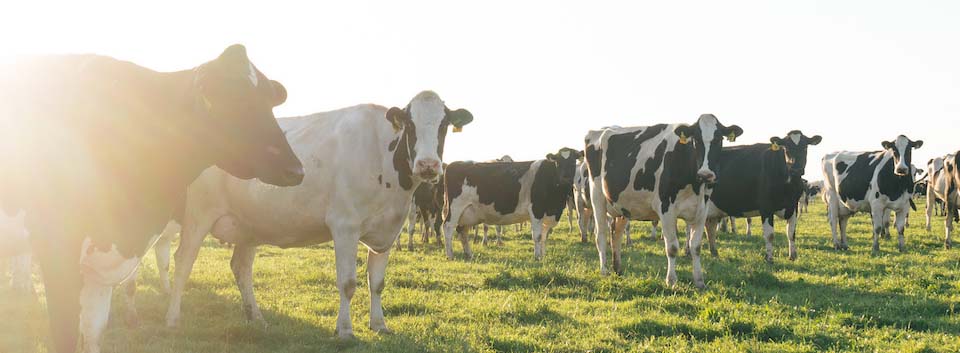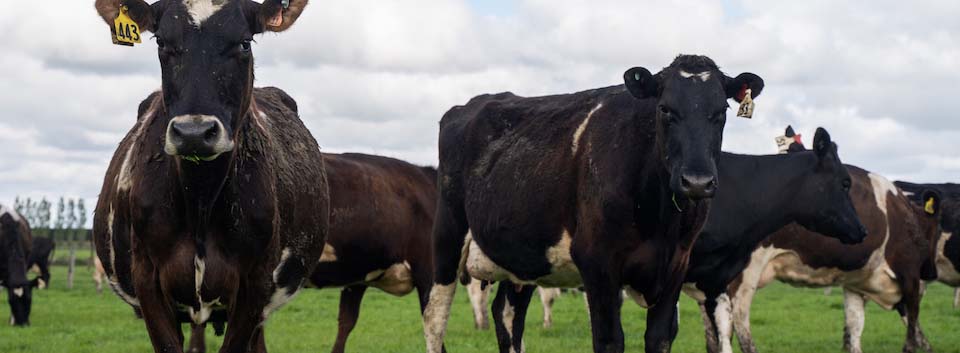
Dairy cows have a built-in advantage when it comes to getting phosphorus from plant-based feeds.
Many plant feeds contain phosphorus in a form called phytate. On its own, that phosphorus is not immediately available to the cow. But microorganisms in the rumen produce an enzyme called phytase, which breaks phytate down and releases the phosphorus held within it.
This means cows can generally make good use of phosphorus from plant-based feeds without relying entirely on added phosphorus.
What is phytate?
Phytate is the main storage form of phosphorus in many plants. It is commonly found in dairy feed ingredients such as:
- Cereal grains
- Oilseed meals
- Soybean products
- Maize and wheat by-products
- Distillers grains and other processed grain feeds
The phosphorus is there, but it is bound within the phytate molecule. Before the cow can make use of it, those bonds need to be broken.
What does phytase do?
Phytase is the enzyme responsible for breaking phytate down. As phytase acts on the phytate molecule, phosphorus is released in a form that can become available to rumen microbes and the cow. Phytase does not add phosphorus to the diet. It helps release phosphorus that is already there.
Where does phytase come from?
In dairy cows, most phytase is produced by microorganisms living in the rumen. Because feed spends time fermenting in the rumen, microbial enzymes have the opportunity to act on phytate before the feed moves further through the digestive system. This gives cattle an advantage over animals such as pigs and poultry, which do not have the same level of microbial fermentation before the small intestine.
Does the rumen release all plant-bound phosphorus?
Not always. Cattle generally break down a high proportion of phytate, but the amount released can vary. Feed type, processing, how quickly feed moves through the rumen, and the activity of the rumen microbial population can all influence how much phytate is broken down. That means two feeds with a similar total phosphorus content may not necessarily provide the same amount of available phosphorus.
How does this help on-farm?
The main benefit of phytase is that it helps the cow get more value from the phosphorus already present in her feed. When phosphorus supply is well matched to requirements, the cow has access to the mineral she needs without farmers automatically having to add more through supplements. That can mean better use of the ration, less unnecessary mineral spend and less phosphorus being excreted in manure. It is not a shortcut to more milk, but it can help make phosphorus feeding more accurate and efficient.
Phosphorus needs to be supplied at a level that meets the cow’s requirements. If the phosphorus already available from the diet is underestimated, more may be supplemented than the cow needs. If availability is overestimated, the ration may not supply enough usable phosphorus. This is why looking at total phosphorus alone does not always tell the full story.
The feed ingredients, how they have been processed, intake, stage of lactation, and rumen function all need to be considered as part of the wider ration. Ensure the diet is balanced so it constantly maintains pH levels within a tight range. Adding ingredients such as rumen buffers, live yeast, prebiotics such as yeast metabolite, and robust probiotic strains all help to ensure phytate is well broken down in the rumen and ample phosphorus is released.
What about phosphorus supplements?
There are times when direct phosphorus supplementation is needed. The decision should be based on the cow’s requirements and what’s in the complete diet. Cows already have a strong natural system for accessing phytate-bound phosphorus. However, how well that system works is highly dependent on rumen function, which can be highly variable depending on the diet being fed.
Want to understand what affects phytate breakdown in more detail?
Contact one of the Agvance team for specific advice around how to measure current phosphorus status and how to use this information to ensure your herd is performing at its potential.
Read our technical article for vets and nutritionists on the factors that influence phytate degradation and phosphorus availability in the rumen.
Recommended products:
Sources
- Effect of a biosynthetic bacterial 6-phytase on the digestibility of phosphorus and phytate in midlactating dairy cows.
- Determination of in situ ruminal degradation of phytate phosphorus from single and compound feeds in dairy cows using chemical analysis and near-infrared spectroscopy
- Effect of grain source and exogenous phytase on phosphorus digestibility in dairy cows.
- Meta-analysis of factors that affect the utilization efficiency of phosphorus in lactating dairy cows
- Phytase activity of anaerobic ruminal bacteria.