
Liver function and liver stress
At a glance
Liver stress in dairy cows, often from negative energy balance, ketosis or fatty liver around calving, reduces appetite, milk yield and fertility. Affected cows are slow to recover, lose weight and may show ketones in urine. Early detection by watching intake, milk and behaviour and fixing feeding and mineral delivery is the fastest way to restore function but severe cases need vet support.
Symptoms
- Decreased milk production
- Reduced appetite
- Weight loss and weakness
- Ketones in urine (ketonuria) or high BHB if tested
- Lethargy, dullness and poor coat condition
- Nervousness, staggering or abnormal behaviour in severe cases
What you might notice on-farm
Liver stress usually shows up in early lactation as cows struggle to meet energy needs. Common signs:
- More cows that don’t eat well in the first 1–3 weeks after calving
- Steady or increasing milk loss despite no obvious mastitis or lameness
- Cows losing body condition or not regaining condition after calving
- Positive ketone tests or sweet smell to breath in individual cows
- Poor cyclicity and lower conception rates later in the season
- Clusters in high‑yielding cows, cows with twins, or those that were over conditioned at calving
If you see these patterns, treat it as an energy‑balance and liver‑function problem rather than isolated low production.
What good looks like
Signs of healthy liver function in early lactation:
- Quick return to strong appetite and rumen fill within 24–48 hours of calving
- Stable or rising milk yield appropriate to the herd’s genetics and feed level
- Low proportion of cows with positive ketone tests (< small % of herd)
- Good conception rates and timely return to cycle post‑calving
- Body condition trend maintained or slowly decreasing from correct calving BCS, not rapid loss
Follow these quick checklists
What to do today
- Test any dull, low‑intake cows for ketones (urine or blood BHB).
- Isolate and monitor cows with high ketones; check feed access and rumen fill.
- Note which mobs or cow types (heifers, twins, heavy cows) are over‑represented.
- Reduce stressors by ensuring water access, a comfortable lying area and minimal competition.
What to do this week
- Review feed intakes, recent ration changes and mixing consistency.
- Check calving BCS trends and separate mobs if needed to feed to requirements.
- Work with your nutritionist on transition feeding and short‑term energy support (propylene glycol or vet‑directed fluids).
- Monitor reproduction indicators – cyclicity and submission/conception rates.
Before calving
- Aim for correct calving BCS (avoid over‑conditioned cows).
- Build a close‑up diet that encourages steady intake and avoids large energy swings.
- Confirm mineral and vitamin plans that support metabolic health and liver function.
- Plan early monitoring for high‑risk cows (twins, fat cows, history of ketosis).
Issues, likely causes and where to start
If cows test positive for ketones or lose condition rapidly after calving
Likely causes:
- Negative energy balance from insufficient intake vs demand (high yield, twins)
- Over-conditioned cows mobilising excessive fat at calving (fatty liver risk)
Start with:
- Test and treat affected cows per vet/ nutritionist guidance (prop. glycol, fluids).
- Check feed availability and palatability; split mobs to reduce competition.
- Review calving BCS targets and transition diet energy density.
If milk is low but cows are eating superficially
Likely causes:
- Poor effective fibre, rumen dysfunction or subclinical ketosis reducing nutrient flow to milk
Start with:
- Check rumen fill, cud‑chewing and manure consistency; increase effective fibre and review mixing.
If fertility and cycling are poor later in the season
Likely causes:
- Early lactation liver stress impairing metabolic recovery and ovarian function
Start with:
- Track BHB/ketone records, check body condition trajectories and involve your vet for herd‑level diagnostics.
If multiple cows show nervous signs or severe depression
Likely causes:
- Severe ketosis, hypoglycaemia, or concurrent toxin/ infectious issues
Start with:
- Call the vet immediately for diagnosis and treatment.
When to call the vet
Call your vet if:
- You find several cows with high ketone readings or many cows losing condition after calving.
- Individual cows show severe lethargy, nervous signs, or collapse.
- Milk losses and fertility decline despite feeding adjustments.
Vet input is needed for diagnostics (blood profiles, liver enzymes), treatment plans and herd‑level strategy.
How minerals fit in
Minerals and vitamins support liver function, but aren’t a sole fix:
- Adequate selenium and vitamin E support overall health and recovery from metabolic stress.
- Chromium and certain trace elements are linked to glucose metabolism and may help energy balance, use based on vet/nutritionist advice.
- Magnesium supports rumen function and intake, low magnesium can worsen negative energy balance.
How to make minerals work on-farm
- Match your delivery method to your system, whether that be in-feed, water soluble, in-shed, or free choice, based on what will be taken consistently.
- Ensure high- risk cows get what they need.
- Test feeds for mineral gaps
- Include mineral strategy as part of the transition plan with your vet/ nutritionist.
FAQs
What causes liver stress in dairy cows?
A: Mainly negative energy balance at calving leading to ketosis and fat mobilisation; fatty liver develops when the liver can’t handle the fat load.
What should I check first if I suspect liver problems?
A: Test for ketones, check feed intake and rumen fill, note calving BCS and recent ration changes, and isolate affected cows for monitoring.
Can liver stress be reversed?
A: Yes, early detection and correct energy support often restore function. Severe fatty liver or prolonged ketosis needs veterinary treatment and may take weeks to recover.
What role do minerals play in liver health?
A: Minerals and vitamins (Se, E, Mg, certain trace elements) support metabolic resilience but must be part of a wider feed and management plan.
When should I call a vet or nutritionist?
A: Call when multiple cows test positive for ketones, when milk and fertility drop persistently, or if individual cows show severe signs. Early specialist help prevents bigger losses.
Recommended products
-

MetaSmart® – Metabolisable Methionine
Read more -
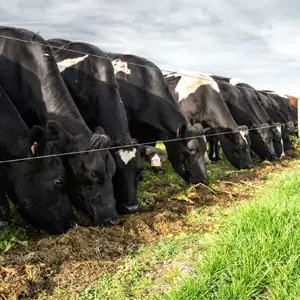
Free Choice Premium Transition
$45.00 Add to cart -
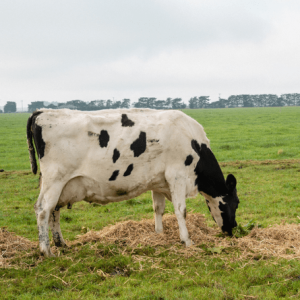
Premium Loose Lick South Island
$45.00 Add to cart -

Premium Loose Lick North Island
$45.00 Add to cart -
SoluPhos
$125.00 Add to cart -
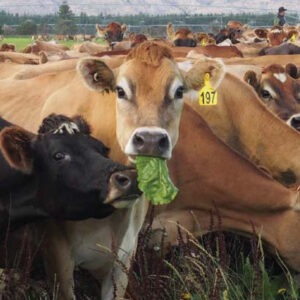
CalciPhos Granular
$48.00 Add to cart -
CalciPhos Dusting Grade
$49.75 Add to cart
Let’s work together

Agvance Nutrition is proudly BioGro certified, with a wide range of livestock and soil nutrition products approved for organic use.