
NEGATIVE DCAD OR ZEOLITE: CHOOSING THE RIGHT PRE-CALVING STRATEGY
Both negative DCAD and zeolite can reduce milk fever risk, but managing negative DCAD is often the more practical, proven and measurable option for many

Both negative DCAD and zeolite can reduce milk fever risk, but managing negative DCAD is often the more practical, proven and measurable option for many

Positive DCAD is not the target for close-up springer cows. A positive (high) DCAD diet (driven by excess sodium and potassium) pushes cows toward metabolic
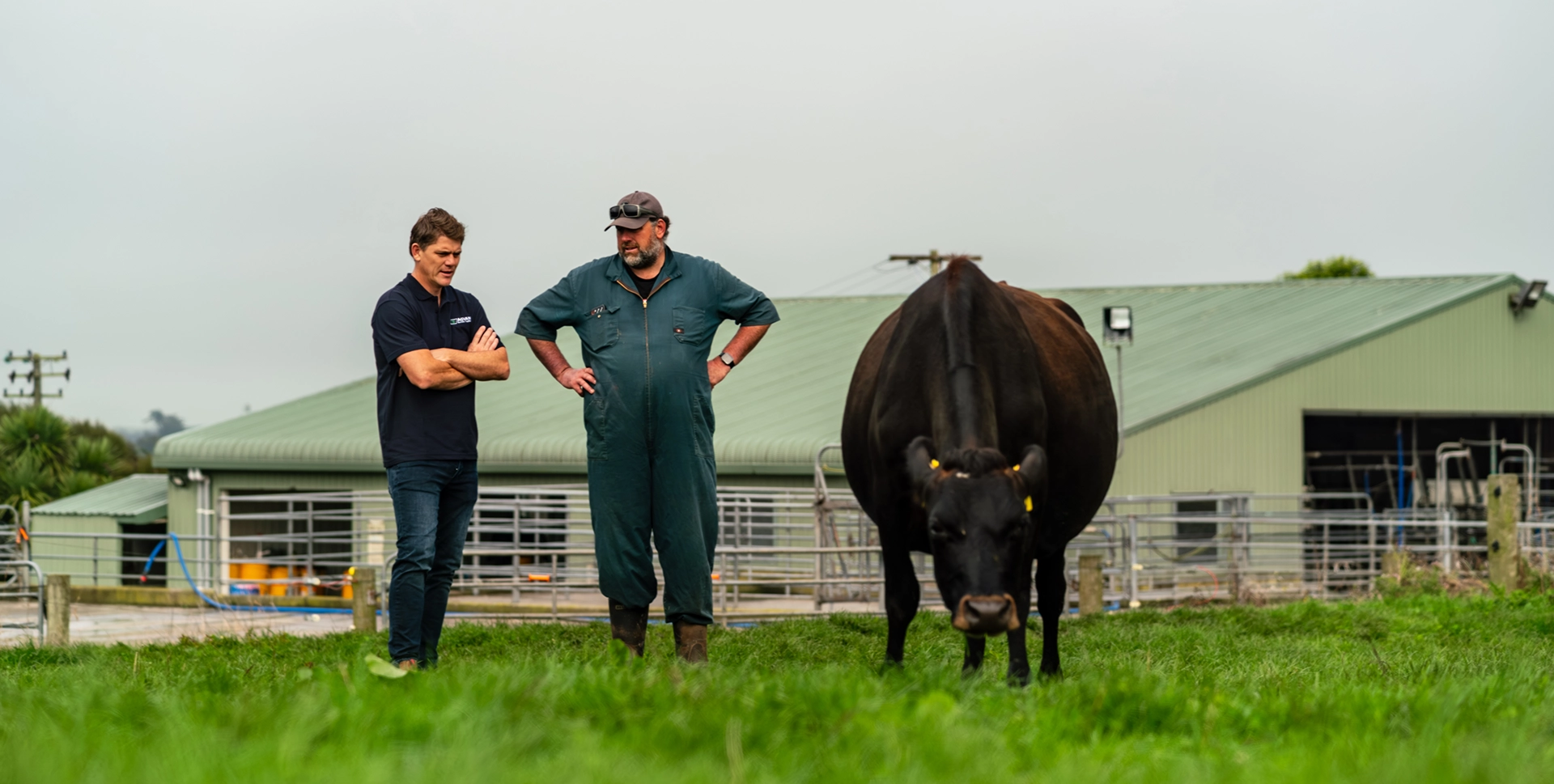
Transitioning from late pregnancy into early lactation puts cows under major strain. Energy demand is increasing just when the appetite drops right at calving time.
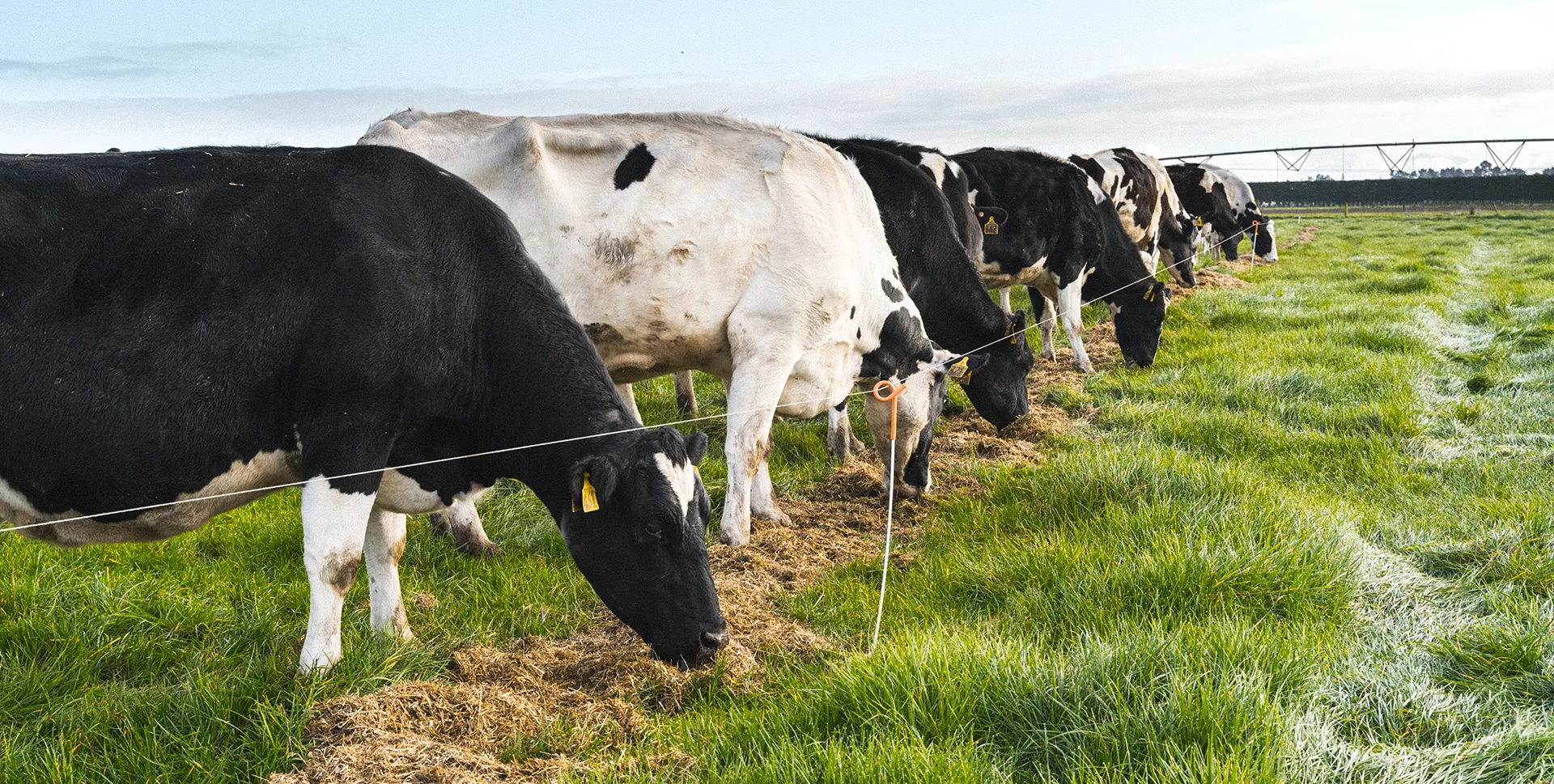
Strong transition, no matter your system There’s a common assumption that effective transition cow management is only practical for high-input farms, as controlled rations can
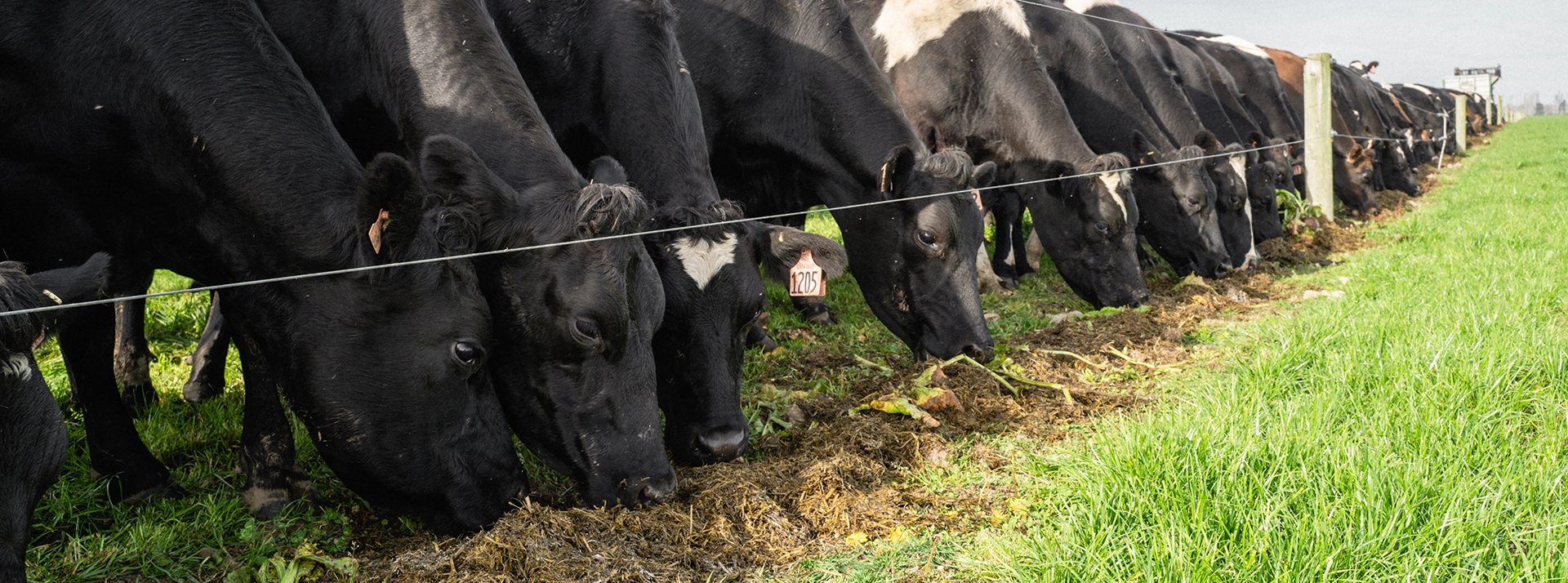
Are we setting cows up to go down after calving? When a cow goes down after calving, it is easy to blame the calving itself.
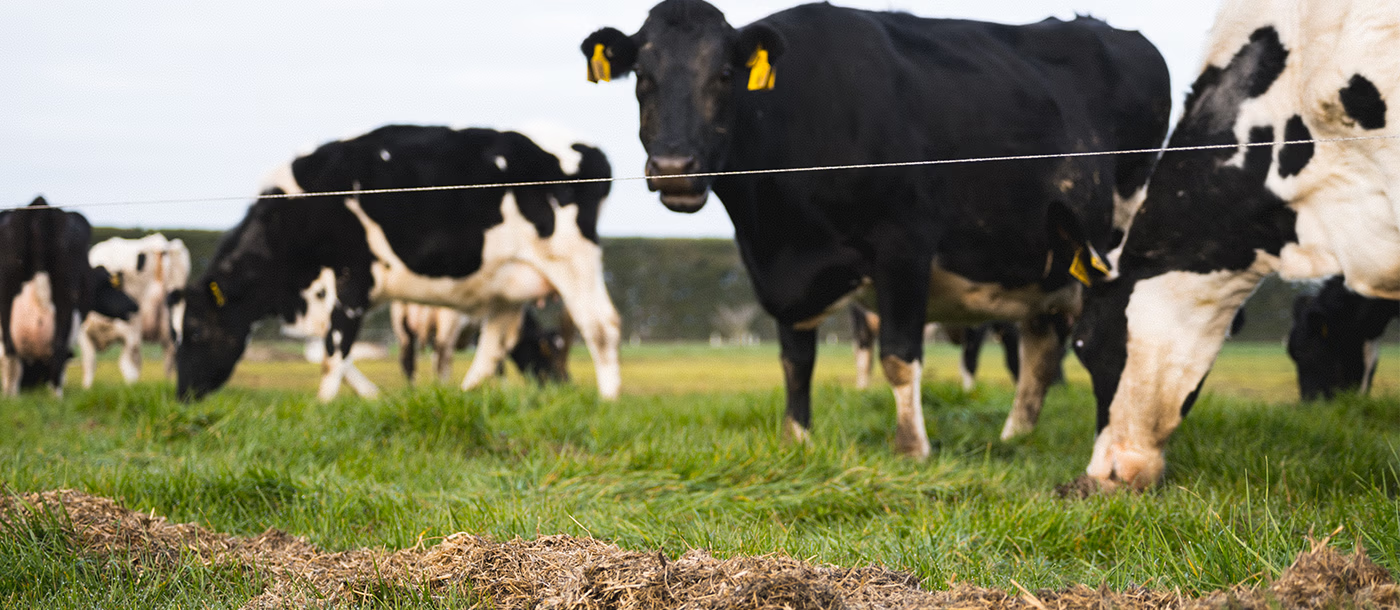
By September, most herds are already calved and are heading towards mating. The window to influence pre-calving minerals has passed, and decisions made in the

A successful transition is determined by getting the timing right. We need to be careful with our recording of calving dates. An accurate calving date
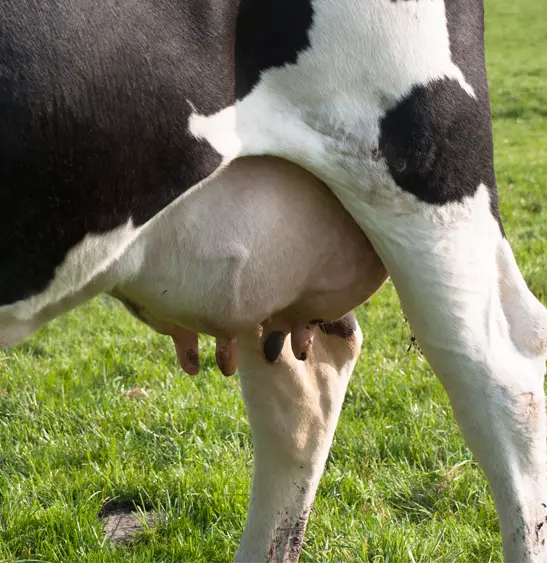
Wintering decisions shape the success of early lactation. Poor nutrition through winter can lead to costly problems, including slow calving recoveries, retained membranes, ketosis, and
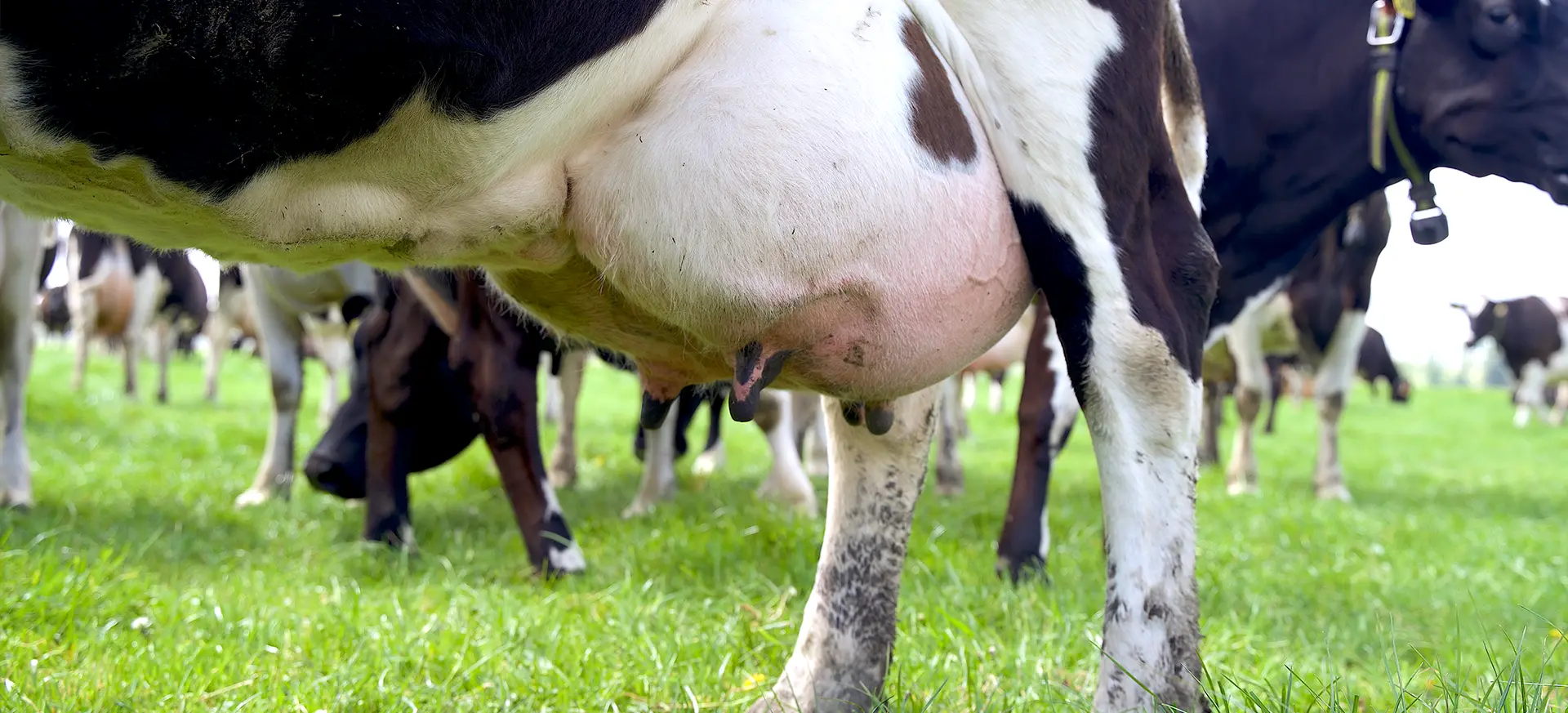
Last month we talked about why dry cow management is critical, though often overlooked. This month I wanted to dive further into the dry period’s
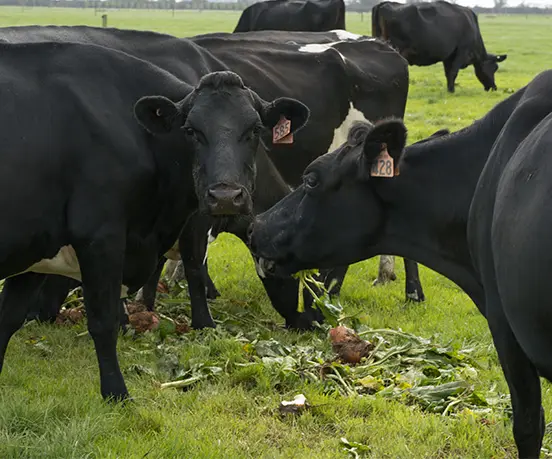
We need to stop treating the dry period as just a rest between lactations and understand that it’s a significant biological reset that impacts the