CalciPhos Dusting Grade

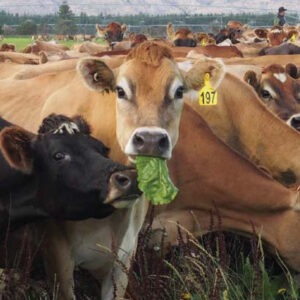
Agvance’s CalciPhos Dusting Grade is a cost-effective and easy-to-use calcium and phosphorous supplement – perfect for cattle grazing fodder beet.

Scientifically-proven benefits:

  • Provides calcium and phosphorous is a highly-available form
  • Achieves short and long-term results
  • Ensures max uptake and storage of both calcium and phosphorous
  • Cost-effective and easy-to-use

Talk to your local Agvance Consultant

CalciPhos Dusting Grade is a high-quality calcium and phosphorus supplement for dairy cattle and young stock. Designed to prevent low phosphate and calcium levels, CalciPhos provides the ideal blend of both calcium and phosphate giving a perfect 2:1 ratio using products that provide the calcium and phosphate in a highly available form. This ensures a maximum uptake and storage of both calcium and phosphate, which achieves the best result in the animal for the short and the long term. 

When to use CalciPhos Dusting Grade

CalciPhos is typically used when grazing fodder beet in the autumn/late lactation and in the spring/early lactation. CalciPhos Dusting Grade will often be used alongside or instead of our other phosphate products, such as Loose Lick Fodder Beet, MagPhos (Magnesium Phosphate) and SoluPhos.

Note: CalciPhos is also available in granular form.

Get in touch today for specific advice or to order:

Call 0800 BALANCE, contact your local Agvance consultant directly or login to your Agvance account.

What the research shows

  • Feeding fodder beet is sugar-rich and needs careful transitioning because moving too fast can cause acidosis (and in severe cases, deaths). (DairyNZ)
  • In a controlled dairy-cow study, active dry Saccharomyces cerevisiae improved rumen pH outcomes during subacute ruminal acidosis (SARA) challenge after an abrupt diet shift. (DOI: 10.3168/jds.2014-8212)
  • Research in high-concentrate feeding shows sodium bicarbonate can reduce SARA risk and support rumen pH stability in cattle. (DOI: 10.4141/A06-014)

Trace mineral shortfalls can occur in pasture-based systems, and winter feeding systems can add risk when diets lean on crops and conserved feeds. (DairyNZ)
Limits

These studies test fodder beet transition risk management, buffering approaches, yeast supplementation, and mineral principles. They do not test Premium Fodder Beet Loose Lick as a named product, or free-choice loose-lick intake patterns.

Study details and links

What was tested

Research and guidance covering fodder beet feeding transition and acidosis risk, plus controlled studies assessing yeast and buffering agents in SARA or rumen pH stress conditions.

Rumen pH (and time below threshold), SARA incidence/severity, feed intake, milk yield/components, and broader animal health outcomes linked with diet transition. 

  • Evidence supports the feeding principles (managed transition onto fodder beet, rumen buffering strategies, yeast effects under rumen pH stress, and correcting mineral gaps). It does not isolate this branded product as the cause of outcomes.
  • Intake varies in free-choice systems. Results depend on access, placement, cow behaviour, weather, and how much fodder beet is in the diet.
DOSAGE METHODS

DUSTING ON FEED

ADDITIONAL PRODUCT INFORMATION
VIEW OUR BROCHURE
Search