Wintering

Winter is when diets become changeable, with a decrease in pasture, an increase in supplementary feed and crops, more mud and a smaller margin for mineral gaps. Dry cows, R1s and R2s often feel this the most because intake swings around and requirements still need to be covered.
Read more about why dry cow management is the first step to a productive season.
This page is your quick guide to:
  • When winter risks tend to show up
  • What to do right now
  • What to watch for
  • Which product types fit which winter systems
Timing and risk windows

Early winter (diet change onto supplement or crop)

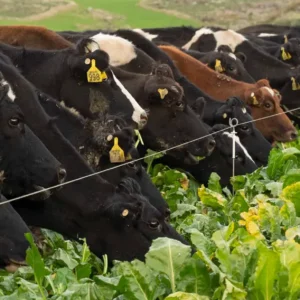
  • Rapid diet changes raise the risk of rumen upset, especially on fodder beet if the transition is rushed. 
  • Fodder beet is also low in magnesium, so magnesium shortfalls can show up if you do not supplement. 

Mid-winter (steady crop or high supplement)

  • Crop-fed cattle can run short on phosphorus if the diet is low in P (fodder beet is a common example). 
  • Brassica-based wintering can increase iodine deficiency risk because brassicas are low in iodine and contain goitrogens that reduce iodine uptake.

Late winter to pre-calving

  • High potassium feeds (pasture, effluent paddocks, high potash history) can reduce magnesium absorption. That raises the chance of magnesium shortfall right when demand increases near calving.

What to do this week

  • Write down the diet (pasture, crop type, silage, straw, PKE, meal) and decide the supplement delivery method that will actually get eaten every day.
  • If cows are on fodder beet or moving onto it, check the transition plan and do not rush it.
  • If pasture potassium is high or cows are on effluent paddocks, assume magnesium absorption will be harder and plan magnesium intake accordingly.
  • If brassicas are a main feed, speak to your vet about iodine risk and how you want to cover it in your system.
  • Score condition and check you are tracking towards calving targets, especially for 2- and 3-year-olds.

What to monitor

In the paddock

  • Intake consistency (clean-up, shy feeders, social pressure at the lick).
  • Rumen fill and manure consistency during any feed change.
  • Down cows, staggers signs, or strange behaviour during cold snaps.
 

On paper

  • BCS trend through winter mobs and youngstock mobs.
  • Mineral testing plan (blood and liver), timed around your system and vet advice.

Matching products to your system

Agvance has products for each system – free choice, prills, dusting and premix options. Use the following as a starting point. Final rates still depend upon diet details and vet/nutritionist advice.

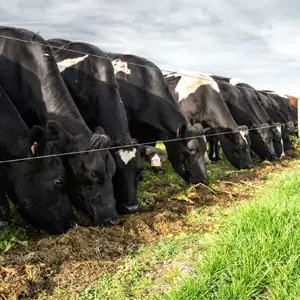
Free choice (good when cows are grazing, intake varies, or you want simple delivery)


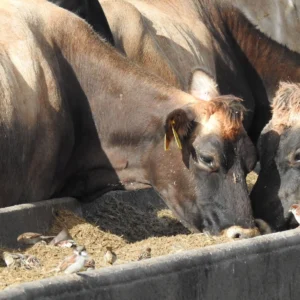
Dusted on supplement (good when you are feeding silage or straw daily and want consistent intake)


Added to feed (good for in-shed, TMR, or set supplement feeding)


Cows close to calving (if winter mobs include springers)


South Island in-shed feeding

Wintering FAQs

What minerals are most likely to fall short during wintering?

Magnesium, iodine and phosphorus are the usual minerals to watch out for, depending on the winter system. Use the mob diet and delivery method to decide what to cover and how. Read more about the link between winter nutrition and a smooth transition.

Plan a staged transition onto fodder beet, keep fibre in the diet and avoid big jumps in fodder beet intake. Watch manure, appetite and rumen fill closely through the change.

Magnesium intake and absorption can drop during diet changes, cold stress and when potassium is high. That is why winter mineral plans often include dedicated magnesium coverage.

They can, because brassicas are low in iodine and contain compounds that reduce iodine uptake. If brassica is a main winter feed, iodine coverage should be part of the plan.

Intake consistency, rumination, manure changes, shy feeders, and the BCS trend are the fastest to spot early signs. If anything shifts after a feed change, tighten monitoring for a few days.

Match the method to what you can control: free-choice lick for grazing mobs, dusting when cows get supplement daily, or in-feed/premix for in-shed feeding systems.

Recommended products

Have more questions or ready to order?

Your Agvance Consultant can help you form the best plan of attack for your winter mineral programme. Get in touch today. Ready to order? Simply head to My Account, login or register, and complete your order online.

Search