
Mastitis / High Somatic Cells
What is it?
Symptoms
- Decreased milk production
- Hot, swollen, painful udders
- Flecks or clots in milk
- Reduced milk quality
- Milk tests show persistently high SCC
At a glance
Mastitis is udder inflammation caused mainly by bacterial infection and is the key driver of high somatic cell counts (SCC) in milk. Subclinical mastitis is often invisible but still reduces yield, milk quality and fertility. Teat canal closure after milking relies on calcium-driven muscle contraction. Excess magnesium and other mineral imbalances in early lactation can reduce teat seal effectiveness and make it easier for bacteria to enter.
Focus on
- Udder hygiene
- Minimising teat damage
- Consistent nutrition
- Check mineral balance to reduce mastitis pressure in the critical dry-to-early-lactation window.
Need more help? Talk to your Agvance Consultant today
What you might notice on-farm
Watch for both clinical and subclinical signs:
- Decreased milk yield in individual cows or the herd
- Hot, swollen or painful udders and cows that kick or resist milking
- Flecks, clots or discoloured milk from one or more quarters
- Elevated bulk milk SCC or repeated high individual cow SCC results
- More cows requiring treatment around calving or rising mastitis cases in early lactation
Subclinical mastitis will not show obvious udder changes but will show up as persistently high SCC, reduced yield and poorer reproductive performance. If you see a pattern, act early rather than treating each case in isolation.
What good looks like
- Low herd bulk SCC consistent with your seasonal benchmark and processor limits
- Few clinical mastitis cases per 100 cows in early lactation and rapid recovery when treatments are applied Clear dry-off hygiene, effective teat sealing, and minimal teat damage or rough handling in the yards
- A close-up and early-lactation nutrition plan that supports immune function and maintains calcium and magnesium balance
Follow these quick checklists
What to do today
- Walk the herd and identify cows with abnormal milk or swollen quarters, flag them for immediate inspection.
- Check milking routine and stock handling for anything rough that could damage teats.
- Review recent bulk SCC trends and individual cow records for recurring high SCC cows.
- Check teat condition after milking and note any rough or hyperkeratotic teats.
What to do this week
- Randomly sample fresh calved cows or those flagged by milk recording for SCC and culture where possible to identify common pathogens.
- Review dry-off protocol and teat preparation. Are teat sealants and drying-off hygiene being applied consistently?
- Check yard surfaces and stand-off areas for contamination points such as dirty lanes, broken troughs or effluent build-up.
- Reassess milking machine function with your technician if you suspect incomplete milking, liner slip or vacuum problems.
During early lactation
- Prioritise prompt treatment of clinical cases and follow up with re-checks and milk recording results.
- Isolate repeat offenders or chronic high SCC cows and consider culling or targeted treatment decisions with your vet.
- Maintain calm handling, reduce stress on fresh cows and ensure consistent feed and water access to support immune resilience.
Issues, likely causes and where to start
If mastitis or SCC is rising, treat it like a system issue. Common causes and first checks are below.
If many fresh cows have clinical mastitis
Likely causes:
- Poor dry-off hygiene or incomplete udder involution leading to infections carried through calving
- Teat damage from rough handling, poor yard surfaces or poor liner fit on the machine
- High pathogen load in stand-off, feed pad or calving areas
Start with:
- Review dry-off practices and check consistency of teat preparation and sealant use.
- Walk the calving and fresh cow areas for contamination sources and fix yard or feed pad hygiene issues.
- Check milking routines and milking machine performance, including liners and vacuum levels.
For more information, read Mastitis prevention during dry off
If bulk SCC or subclinical mastitis is rising without many clinical cases
Likely causes:
- Ongoing low level infections in the herd that were not cleared at dry-off
- Environmental pathogens building in housing or run-off areas during wet weather
- Mineral or nutritional gaps impairing immune response
Start with:
- Use culture or PCR testing on a representative sample to identify pathogens and tailor treatment or control plans.
- Revisit dry cow antibiotic and sealant strategy with your vet.
- Review nutrition and mineral status, especially calcium, magnesium, selenium and the trace minerals that support immune function.
If teat ends are rough or cows show incomplete teat seal
Likely causes:
- Overmilking, poor machine fit or inappropriate liner condition causing teat end damage
- Mineral imbalances such as low calcium at milking or excess magnesium that reduce teat sphincter contractility
- High milking frequency or rough handling
Start with:
- Check milking machine settings and have your technician inspect liners and vacuum.
- Monitor teat condition and alter milking routines to minimise overmilking.
- Review mineral plan and discuss with your adviser whether any adjustments are needed around calving.
When to call the vet
Call your vet promptly if:
- You have multiple clinical mastitis cases in a short period or a clear herd-level rise in SCC
- You see severe infections, systemic signs, or cows that are not improving after initial treatment
- Cultures show unusual or highly contagious pathogens such as Strep agalactiae or Staph aureus that need a herd approach
- You need help auditing dry-off protocols, developing a targeted control plan, or interpreting bulk milk or culture results
How minerals fit in
Minerals do not cure infections, but they play a key role in supporting udder defences and effective teat closure.
Why minerals matter for udder health:
- Calcium is central to muscle contraction including the teat sphincter. Adequate calcium around milking helps the teat canal close and reduces the window for bacterial entry.
- Magnesium influences neuromuscular function. Excess magnesium in early lactation can reduce seal tightness after milking and increase infection risk.
- Trace minerals such as selenium, copper and zinc are linked to immune cell function and wound healing, influencing mastitis resistance and recovery.
Practical mineral checks
- Match mineral delivery to your system so all cows get a useful daily intake. Free-choice minerals can work but monitor who is eating them. In-shed or in-feed delivery is more controlled.
- Check whether close-up and fresh cow rations are diluting or altering mineral intake. Crops and supplements can change mineral balance quickly.
- Work with your adviser or vet to test for deficiencies if you suspect mineral-driven immunity or teat tone issues.
To learn more about where minerals fit in, read The Big Three Macrominerals in late lactation
FAQs
What are the first steps when I spot a cow with clinical mastitis?
Isolate the cow if practical, examine the affected quarter, take a milk sample for culture if possible, start prompt treatment following your vet’s protocol and record the case. Check milking routine to avoid spreading infection.
How does dry-off affect mastitis risk?
The dry period is when infections can be cured or established. Poor dry-off hygiene, short dry periods, incomplete drying off or inconsistent use of sealants increase mastitis risk after calving.
Can poor minerals alone cause mastitis?
No, minerals alone do not cause infection. But mineral imbalances can reduce teat seal effectiveness and immune response, increasing a cow’s susceptibility to mastitis when exposed to pathogens.
Should I cull cows with repeated high SCC?
Chronic high SCC cows are often less responsive to treatment. Discuss with your vet whether targeted treatments, segregation or culling are the most cost-effective options for your herd.
How often should I test herds for subclinical mastitis?
Frequency depends on your risk and goals. Consider testing fresh calved cows when you suspect increased pressure, and use routine recording and periodic sampling to monitor trends and the effectiveness of control measures.
Take action with
-

Selenium – SmartSel
$19.00 Add to cart -
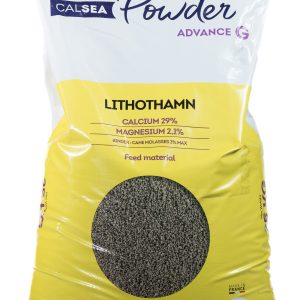
Calsea
$43.75 Add to cart -
DCM Plus Feed
$238.00 Add to cart -
Solutrace Metabolizer Plus with Rumenox
$746.90 Add to cart -
Solutrace DCM Plus with Rumenox
$675.00 Add to cart -
Pentamin SI Plus
$215.00 Add to cart -

Solutrace Coaster – Low Copper
$143.00 Add to cart -
Solutrace Coaster
$209.00 Add to cart -

Solutrace FE PKE
$110.00 Add to cart -
Meta Plus Feed
$313.50 Add to cart -
Solutrace Southerner
$240.00 Add to cart -
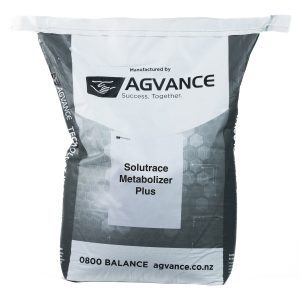
Solutrace Metabolizer Plus
$294.80 Add to cart -

Solutrace FE
$108.00 Add to cart -
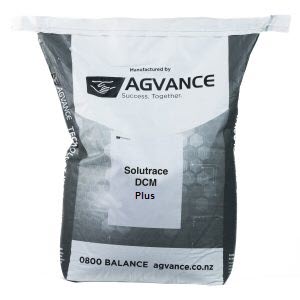
Solutrace DCM Plus
$195.00 Add to cart -
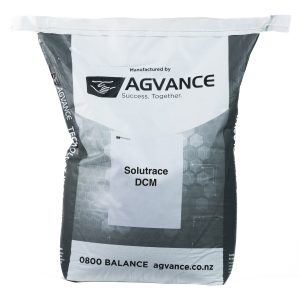
Solutrace DCM
$150.00 Add to cart -
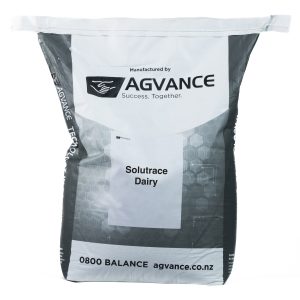
Solutrace Dairy
$202.00 Add to cart
Let’s work together

Agvance Nutrition is proudly BioGro certified, with a wide range of livestock and soil nutrition products approved for organic use.