March often brings a useful mix of opportunity and risk on New Zealand dairy farms. This year’s summer rains have kept pastures growing well in most regions, providing a better-than-average opportunity to hold milk solids at good levels into the autumn. At the same time, many herds are about to transition onto crops or increase crop and supplement as farms head into the autumn. Both situations put pressure on the rumen for the same reason. The cow’s performance depends on fibre digestion. Optimum fibre digestion depends on a consistent diet, providing energy and fibre intake for good rumen microbe populations.
Fibre digestion matters
Fibre is not just “fill”. When rumen microbes break down pasture and conserved forages, they produce volatile fatty acids that supply a large share of the cow’s energy. If fibre digestion slips, energy supply drops, even if the cow appears to be eating similar amounts. You may see milk solids flatten, patchy appetite, loose manure, or unsettled cows in the shed.
Fibre digestion is sensitive to change. Rumen microbes that digest fibre need time and stable conditions to attach to feed particles and do their work. Microbes can slow or die back when rumen pH drops or feed type changes quickly, making the whole system less reliable.
Conditions that affect cows
Diets often become more variable from day to day in autumn.
If summer rain has driven strong grass growth, pasture can be highly fermentable. Lush pasture can move through the rumen quickly and ferment fast, which can lower rumen pH, particularly when cows eat large meals after long gaps. Even with good grass, the rumen still needs enough effective fibre and consistent intake patterns in order to maintain rumen stability.
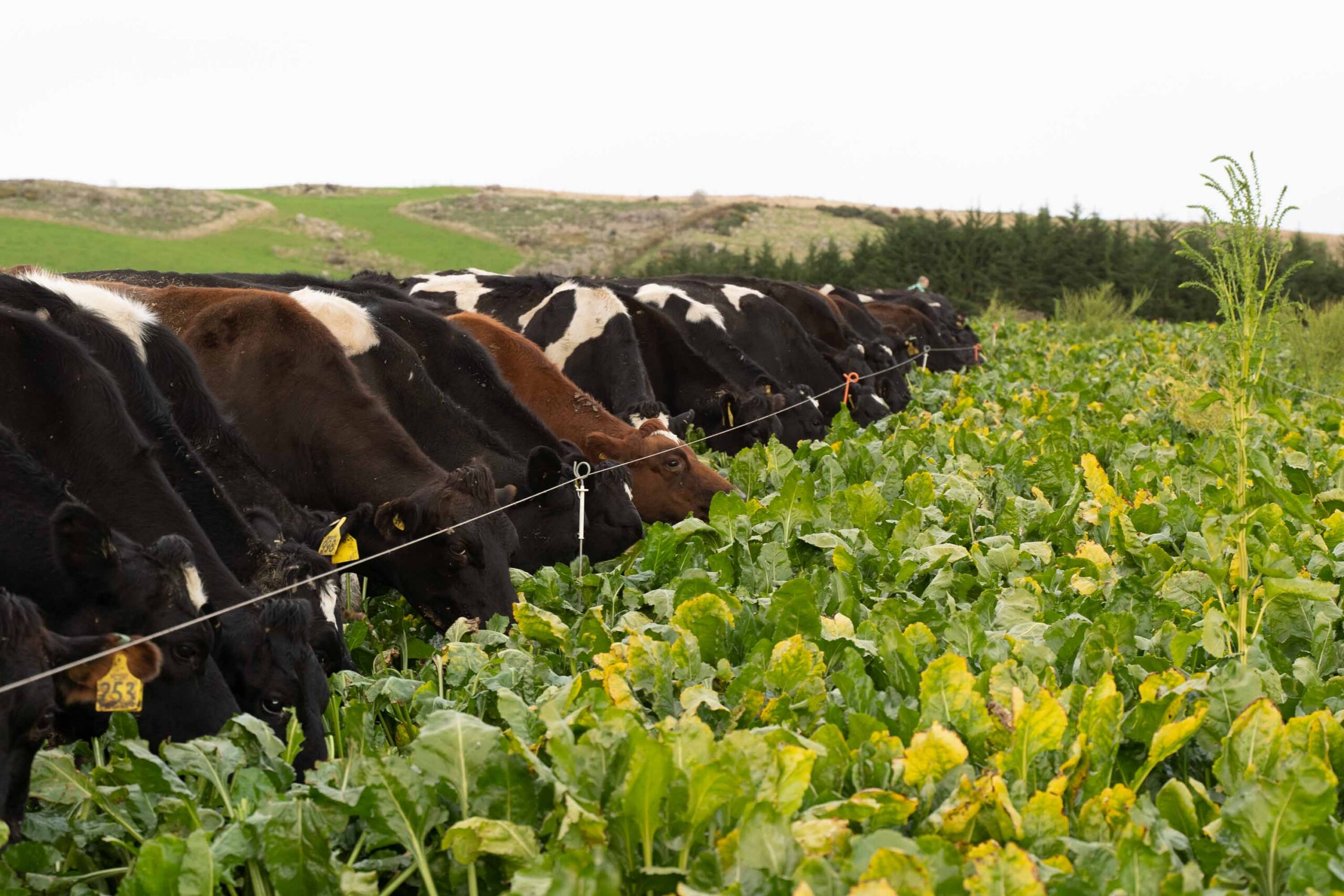
At the same time, many farms begin increasing supplements or preparing for crop feeding. That can include maize silage, grains, palm kernel, fodder beet, kale, or other brassicas, depending on region and system. These feeds can be valuable, but they change the balance of sugars, starch, and fibre, and they can change rumination patterns. Those shifts can increase the risk of a drop in rumen pH and reduce fibre digestion if the transition is rushed.
What is live yeast?
Live yeast supplements contain living yeast cells. Yeasts are key to feeding the rumen environment, breaking down cellulose, maintaining a healthy anaerobic environment, and balancing the pH of the rumen. Live yeast cells support rumen conditions and microbial activity, increasing fibre digestion and smoothing out dietary changes.
How live yeast supports fibre digestion
Research points to a few consistent mechanisms.
- A steadier rumen environment: Fibre-digesting microbes do not cope well with sharp pH drops. Studies suggest live yeast can support rumen stability by influencing fermentation patterns and supporting microbial pathways that reduce the chance of lactic acid build-up. This can help pH stay in a range that suits fibre digestion, especially when the ration includes more rapidly fermentable feed.
- Faster colonisation of fibre: For fibre to be digested well, microbes must attach to plant particles quickly after eating. Research in dairy cows has shown live yeast can increase colonisation of plant material by fibre-digesting bacteria and fungi. Better colonisation is linked with improved fibre breakdown, which supports rumen function and energy supply.
- More consistency through change: On farm, the most noticeable value often comes during transition periods rather than on a perfectly stable ration. When cows move from pasture-dominant diets onto higher levels of crop or supplement, rumen conditions can swing. Supporting microbial stability can help reduce the size of those swings, though responses vary between farms.
Moving onto crops?
Crop transitions are a common point where rumen function can become less stable. Speed of change matters, as does how the new ration affects rumen pH and rumination patterns.
Fodder beet, brassicas, maize silage, and grain-based feeds can alter fermentation rate and the balance of fibre and starch. If cows step up too quickly, they may experience lower rumen pH, reduced rumination, and poorer fibre digestion. That can show up as loose manure, reduced appetite, uneven intakes across the mob, and a drop in milk solids.
Live yeast can fit into a transition plan when it sits alongside gradual feed changes, consistent feeding times, and enough effective fibre. It should not be treated as a fix for a ration that is pushing cows into subacute ruminal acidosis risk.
Management that makes a difference
If you want to protect fibre digestion through early autumn, focus on consistency.
- Step cows onto crops and higher-starch supplements gradually.
- Keep feeding times predictable. Long gaps tend to create large meals and bigger pH swings.
- Maintain effective fibre in the diet. Watch silage chop length, pasture residuals, and whether cows are actually spending time ruminating.
- Monitor manure and rumination across the mob, not just a few cows. Unevenness often appears before a clear production drop.
- If summer rain has kept grass growth strong, take advantage of it, but do not assume good pasture automatically means a stable rumen. Highly fermentable pasture can cause notable rumen pH swings if fibre digestion is not adequate.
Early March is often the bridge between sustained late-summer production and the next feed phase. Keeping fibre digestion stable helps cows use that grass well and transition onto crops with fewer setbacks.
First published in Dairy News, March 2026
Sources