
Ill Thrift
At a glance
Ill‑thrift describes cows that fail to grow, put on condition or maintain weight as expected. It is a production and welfare issue that usually reflects an ongoing problem in nutrition, parasite load, chronic disease, poor feed quality or management gaps.
The first step is to treat it as a herd or mob issue: map where affected cows are grazing or which feeds they have received, then run basic checks on nutrition, parasites, disease and minerals. Fixing ill thrift is usually a stepwise process of elimination and targeted intervention rather than a single quick fix.
Need more help? Talk to your Agvance Consultant today
Symptoms
- Progressive weight loss, failure to gain weight
- Dull, rough coat
- Poor body condition
- Scours
- Decreased milk production
- Decreased overall performance
- Weakness or lethargy
What you might notice on-farm
- Progressive weight loss or failure to gain condition over weeks
- Dull, rough or poor coat quality and poor skin condition
- Scours or intermittently loose faeces in groups of animals
- Reduced milk yield and declining production from affected cows
- Lethargy, weakness or lower activity and reduced grazing time
- Variable response to increased feed, some cows do not eat more when offered better feed
What good looks like
- Steady or improving condition score across the mob, matching seasonal and feed expectations
- Good coat condition and normal faecal consistency for the system
- Predictable production and fertility profiles with few chronically poor performers
- Rapid improvement in condition after removing the limiting factor (parasite control, better feed, treatment)
Follow these quick checklists
What to do today
- Walk the herd and record which cows are affected, where they are grazing and what supplements they have had recently and map any clusters.
- Check feed quality visually at the feed face, silage face and in any supplement bins for mould, heating or contamination and remove suspect feed.
- Look at faecal consistency and coat condition. Note any scouring or signs of parasites (tail area soiling).
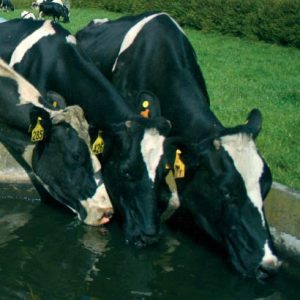
- Ensure clean water access and minimise competition at feed troughs; small things reduce intake quickly.
What to do this week
- Weigh or body condition score a representative sample to quantify the problem and track progress.
- Do a basic parasite control check: scour faecal egg counts on younger stock or cows if scours are present and review drenching history.
- Get a feed test on suspect conserved feeds and calculate likely energy and protein intake versus requirement.
- Isolate and monitor any very thin or lame cows for targeted treatment or further investigation.
During early lactation
- Check fresh cows closely: ill‑thrift can show early if cows calved thin or have periparturient disease.
- Treat clinical conditions promptly and ensure treated cows get extra supportive feed or shelter.
- Review transition and close‑up feeding, underfeeding or uneven intake in the lead‑up often shows as ill‑thrift after calving.
Issues, likely causes and where to start
Ill‑thrift is usually multi‑factorial. Below are common scenarios, likely causes and practical starting checks.
Scours and poor condition in young stock or cows
Likely causes
- Gastrointestinal parasites or coccidiosis in young stock
- Feed changes or poor quality supplements causing loose faeces and malabsorption
- Infectious causes, such as Johne’s in adult cows in some herds
Start with
- Do faecal egg counts and consider targeted drenching where counts are high, review your drench rotation and resistance risks.
- Test suspect feeds for spoilage or toxins.
- Investigate adult chronic wasting diseases with your vet if young cow groups are clear and adults are affected.
Poor condition persists despite good pasture and supplements
Likely causes
- Chronic worm burdens, liver fluke or internal parasites reducing feed efficiency
- Mineral or vitamin deficiencies limiting appetite or metabolism (e.g. copper, selenium, cobalt)
- Dental problems, jaw or mouth injuries, or lameness reducing intake
Start with
- Do a clinical check of teeth, mouth and feet in a sample of affected cows.
- Run blood tests for key trace minerals and metabolic indicators with your vet or adviser.
- Consider strategic parasite testing and a review of pasture contamination.
If clusters are tied to a particular feed or paddock
Likely causes
- Poor silage, heating or mould leading to reduced palatability and possible mycotoxin exposure
- Toxic plant ingestion or plant secondary metabolites in certain paddocks
- Low availability of high‑quality grazing in that area (overgrazed, muddy, pugged)
Start with
- Remove the suspect feed or move cows off the paddock. Replace with clean, palatable feed and monitor recovery.
- Sample suspect conserved feeds for lab testing and inspect pasture for toxic plants.
- Improve stand‑off, trough access or fencing to remove environmental stressors.
If two or more issues present (e.g. poor fertility and ill thrift)
Likely causes
- Chronic subclinical disease, such as Johne’s, chronic mastitis, or ongoing parasite pressure
- Long‑term mineral deficits or repeated exposure to low‑level toxins
Start with
- Do herd screening tests recommended by your vet for chronic infectious diseases.
- Run a nutrition audit: feed tests, pasture quality, mineral delivery and actual intakes.
When to call the vet
Call your vet if:
- You have multiple thin cows that do not respond to simple management changes within 7–10 days
- You suspect chronic infectious disease (Johne’s), sudden cluster abortions, or unexplained deaths
- You need help with diagnostic testing, such as blood mineral panels, faecal egg counts, feed toxicology or necropsy of a dead animal
Early veterinary involvement speeds diagnosis and helps avoid wasted time and money on inappropriate treatments.
How minerals fit in
Minerals are rarely the sole cause of ill thrift, but they often play a supporting role. Poor trace mineral status can reduce appetite, impair immune function and limit recovery from parasites or disease.
How minerals help
- Selenium, copper and cobalt influence appetite, growth and immune response; cobalt is key for rumen microbial function and energy metabolism.
- Magnesium and calcium are important for appetite and neuromuscular function; imbalances can reduce grazing behaviour.
- Iodine and selenium support thyroid and metabolic health, which affects condition and coat quality.
Practical mineral checks
- Don’t assume free‑choice access equals intake. Monitor who is eating and consider in‑feed or in‑shed delivery for at‑risk groups.
- Test blood or liver for trace minerals where ill‑thrift is persistent and unexplained. Work with your vet or adviser to interpret results.
- Use bespoke blends when conserved feeds or crops alter mineral ratios significantly.
If you would like to know more about the importance of mineral bioavailability and how it can be the difference on your farm, read this article.
FAQs
How long before I should expect to see improvement after fixing a cause?
It depends on the cause. For parasites or poor‑quality feed, visible improvement can appear in 7–14 days. Chronic disease or mineral recovery may take weeks to months.
Can a single cow with ill thrift indicate a herd problem?
One cow can be an individual issue, but multiple cases or a pattern is usually a system problem. Always map where affected cows graze and what they were fed.
Should I drench all cows if I find high faecal egg counts?
Targeted drenching based on counts and age groups is a better practice. Blanket drenching risks resistance. Discuss a plan with your adviser.
Can poor teeth cause ill‑thrift in adult cows?
Yes. Dental wear, broken teeth or mouth injuries reduce grazing efficiency. Examine the mouths of chronic poor performers.
When is culling the best option?
Culling is a practical choice for chronic non‑responders once diagnostics and targeted interventions have been tried. Work through options with your vet and consider production, fertility and welfare.
Take action with
-
DCM Plus Feed
$238.00 Add to cart -
Solutrace Metabolizer Plus with Rumenox
$746.90 Add to cart -
Solutrace DCM Plus with Rumenox
$675.00 Add to cart -
Pentamin SI Plus
$215.00 Add to cart -
Solutrace Coaster – Low Copper
$143.00 Add to cart -
Solutrace Coaster
$209.00 Add to cart -
Solutrace FE PKE
$110.00 Add to cart -
Meta Plus Feed
$313.50 Add to cart -
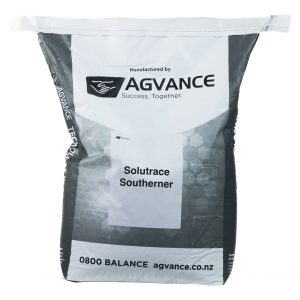
Solutrace Southerner
$240.00 Add to cart -
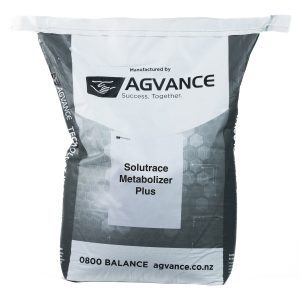
Solutrace Metabolizer Plus
$294.80 Add to cart -
Solutrace FE
$108.00 Add to cart -
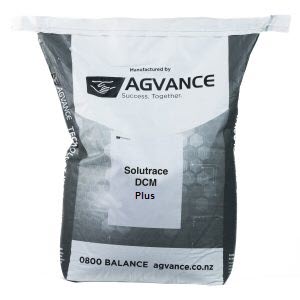
Solutrace DCM Plus
$195.00 Add to cart -
Solutrace DCM
$150.00 Add to cart -
Solutrace Dairy
$202.00 Add to cart -
Solutrace CuZinc
$239.80 Add to cart -
Solutrace Amino
$242.00 Add to cart
Let’s work together

Agvance Nutrition is proudly BioGro certified, with a wide range of livestock and soil nutrition products approved for organic use.