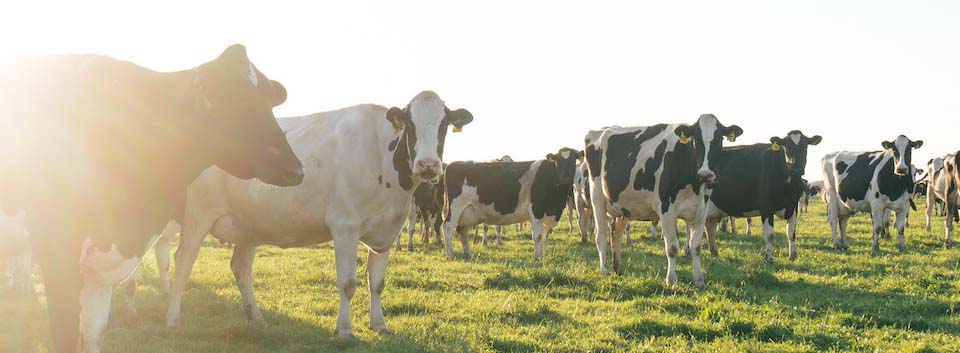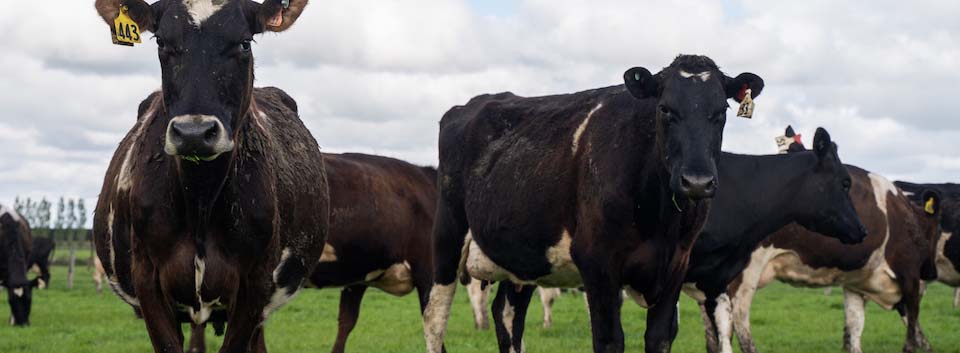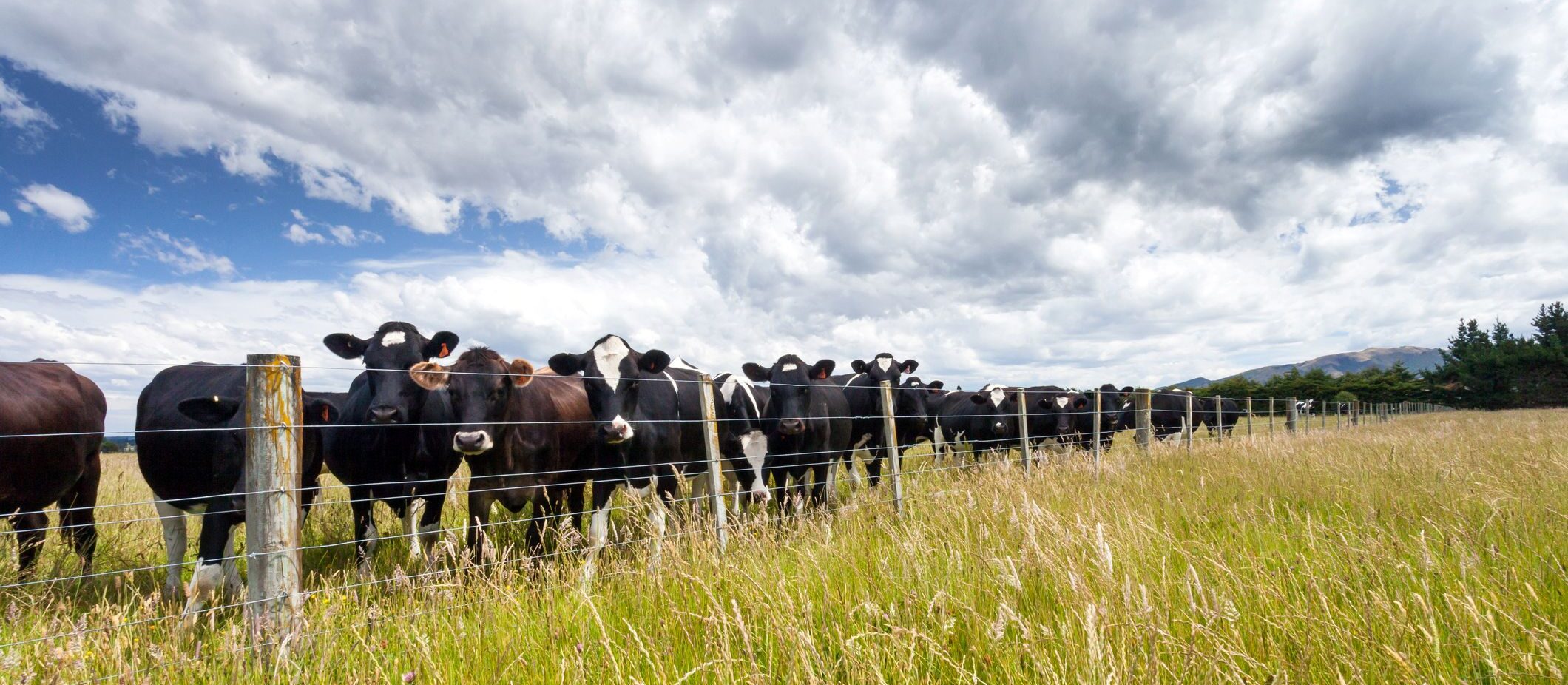
Summer pressure often shows up as two problems at once: cows get hot, then they stop eating consistently. When intake and grazing patterns change, so do rumen conditions. That’s when you see milk solids flatten, looser manure, and cows looking “off” without a single obvious cause.
When does heat stress start?
Cows can start feeling heat stress above 20°C, and their comfort zone is about 4–20°C. For a more practical indicator, we can use the Temperature Humidity Index (THI), with the average daily THI thresholds of 68 for Holstein Friesians and 69 for Kiwi Cross cows. Heat stress is linked with reduced feed intake and lower milk production, even before cows look severely affected.
What does it look like on farm?
You are usually watching a pattern across the herd:
- Cows breathe faster, stand more, and spend less time lying down.
- Cows gather around troughs or shade and graze less through the hottest part of the day.
- Intakes drop, manure can get looser, and cows spend less time chewing their cud.
Why diet volatility is more significant in hot weather
Hot days push cows into “big meals in cool windows”, then long gaps. Pasture quality can shift quickly, and supplements often change to match supply. Those changes can drop rumen pH and lift the risk of sub-acute ruminal acidosis (SARA), which is linked with decreased intake and reduced fibre digestion.
What helps right now
Get the basics right and then focus on consistency.
- Water access: Make it easy for cows to drink often, both in paddocks and yards.
- Shade and airflow: Use trees, shade cloth, sprinklers, or yard design where it suits your system.
- Reduce heat load: Shorten yard time and avoid long walks in the hottest part of the day.
- Steady feeding: Keep effective fibre consistent and make feed changes in small steps so the rumen has time to adjust.
Where these fit
If intakes dip, a seaweed extract like Ascocool can top up minerals and vitamins. If manure and fibre digestion look unstable through feed changes, a rumen buffer and calcium source like Calsea can steady rumen pH.
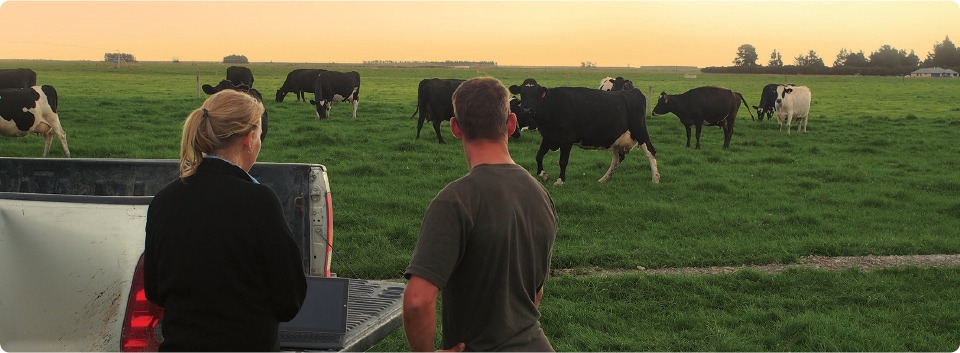
Talk to your local Agvance Consultant today to ensure you’re giving your herd the best support through heat stress and diet volatility.
Frequently asked questions
Q. What temperature do cows start to feel heat stress?
A. Cows can start feeling heat stress above 20°C.
Q. What THI should I watch in NZ?
A. The average daily THI thresholds of 68 (Holstein Friesian) and 69 (Kiwi Cross).
Q. Why does hot weather lead to loose manure and uneven performance?
A. Heat stress reduces intake, so cows often eat in bigger bursts, which can unsettle rumen pH and fibre digestion.
Recommended products
Ascocool – Concentrated Seaweed Extract