TRANSITION MAKES OR BREAKS REPRODUCTION
By September, most herds are already calved and are heading towards mating. The window to influence pre-calving minerals has passed, and decisions made in the

By September, most herds are already calved and are heading towards mating. The window to influence pre-calving minerals has passed, and decisions made in the

A successful transition is determined by getting the timing right. We need to be careful with our recording of calving dates. An accurate calving date
Last month we talked about why dry cow management is critical, though often overlooked. This month I wanted to dive further into the dry period’s
We need to stop treating the dry period as just a rest between lactations and understand that it’s a significant biological reset that impacts the
Transition is a pivotal phase in a dairy cow’s production cycle. During this period, cows undergo significant physiological changes, including increased metabolic demands and adjustments
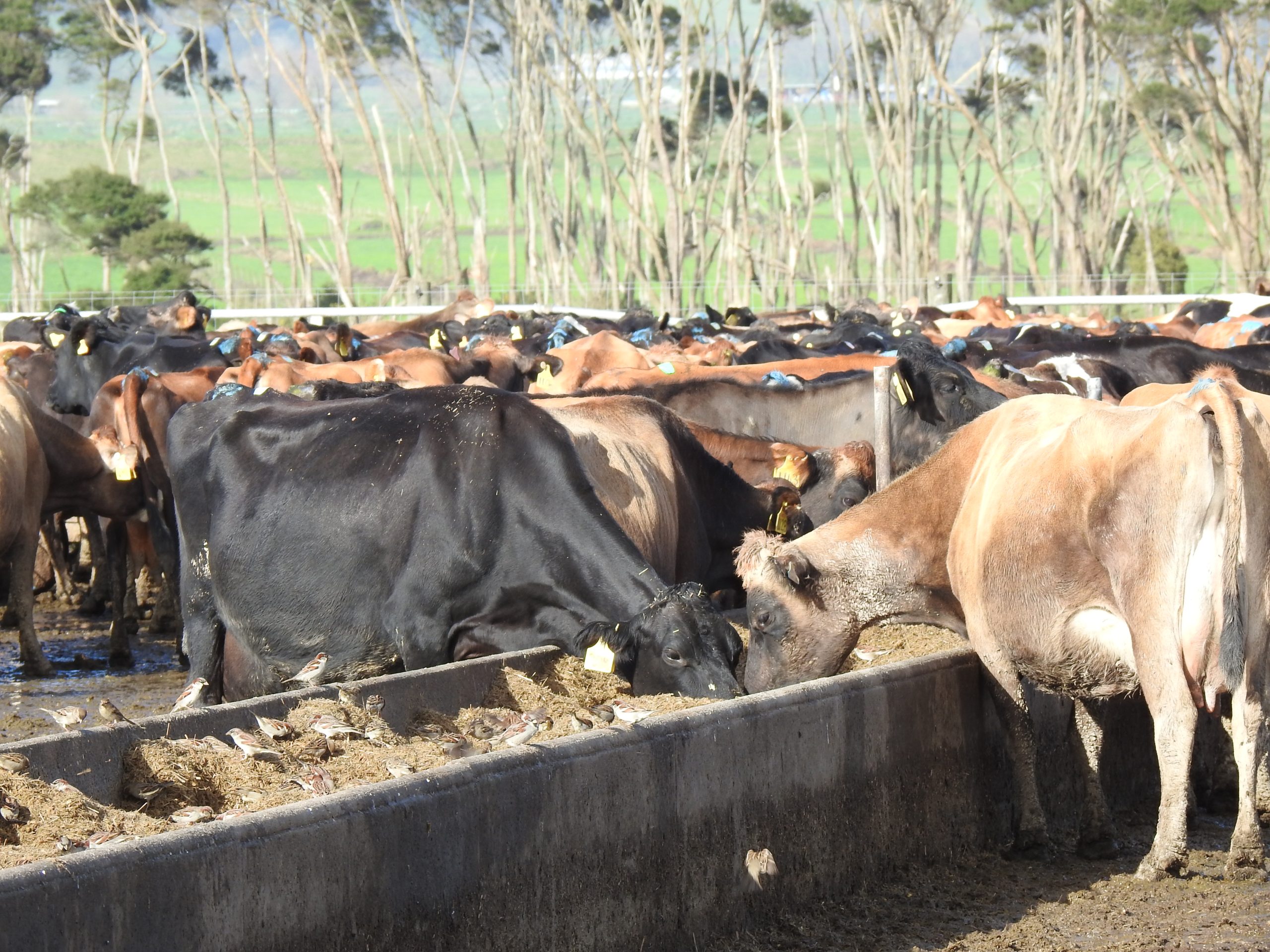
Transition is a pivotal phase in a dairy cow’s production cycle. During this period, cows undergo significant physiological changes, including increased metabolic demands and adjustments
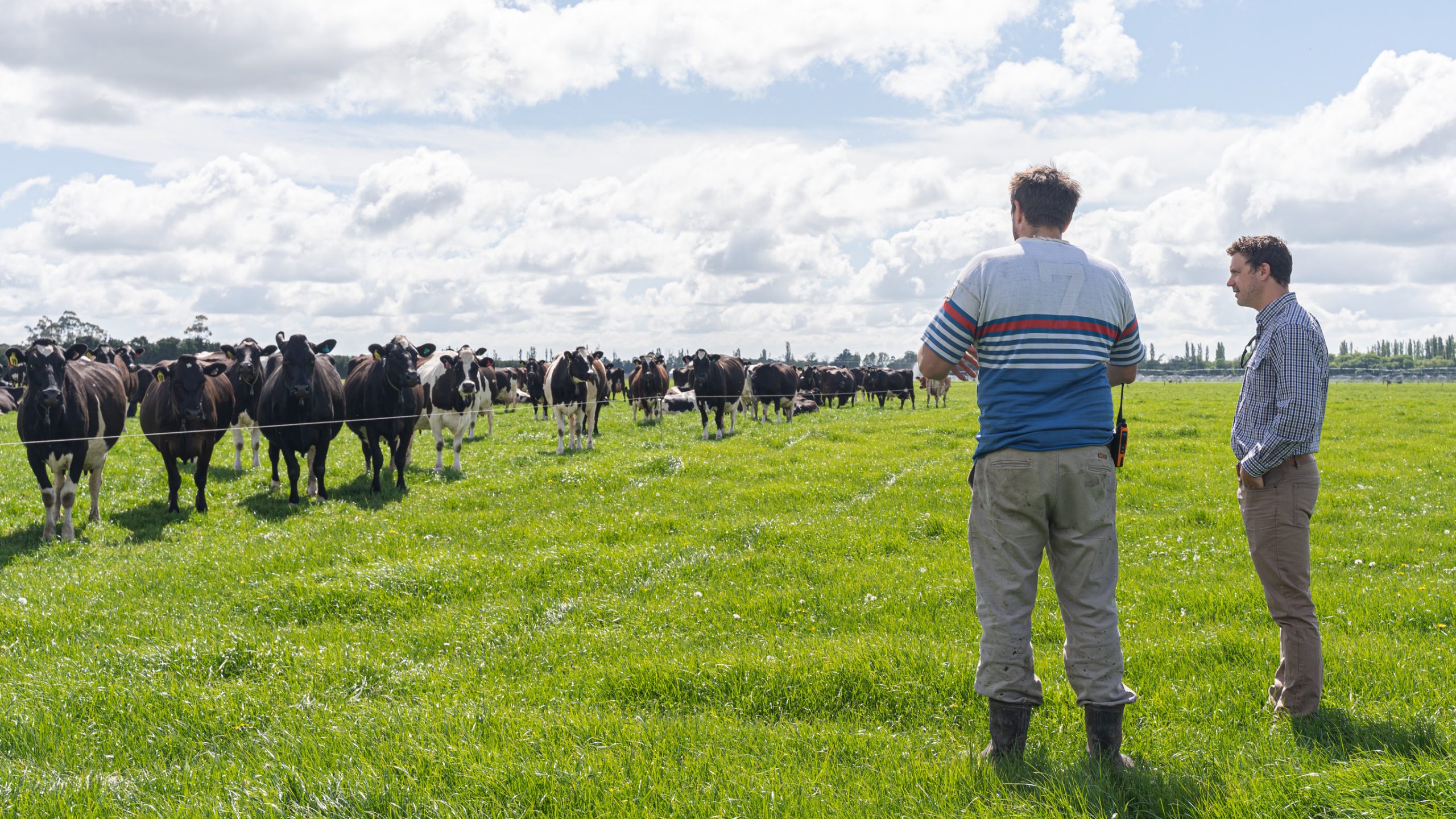
The importance of a well-functioning rumen for transition is especially emphasised in New Zealand’s diverse climatic and grazing conditions. Due to our reliance on a
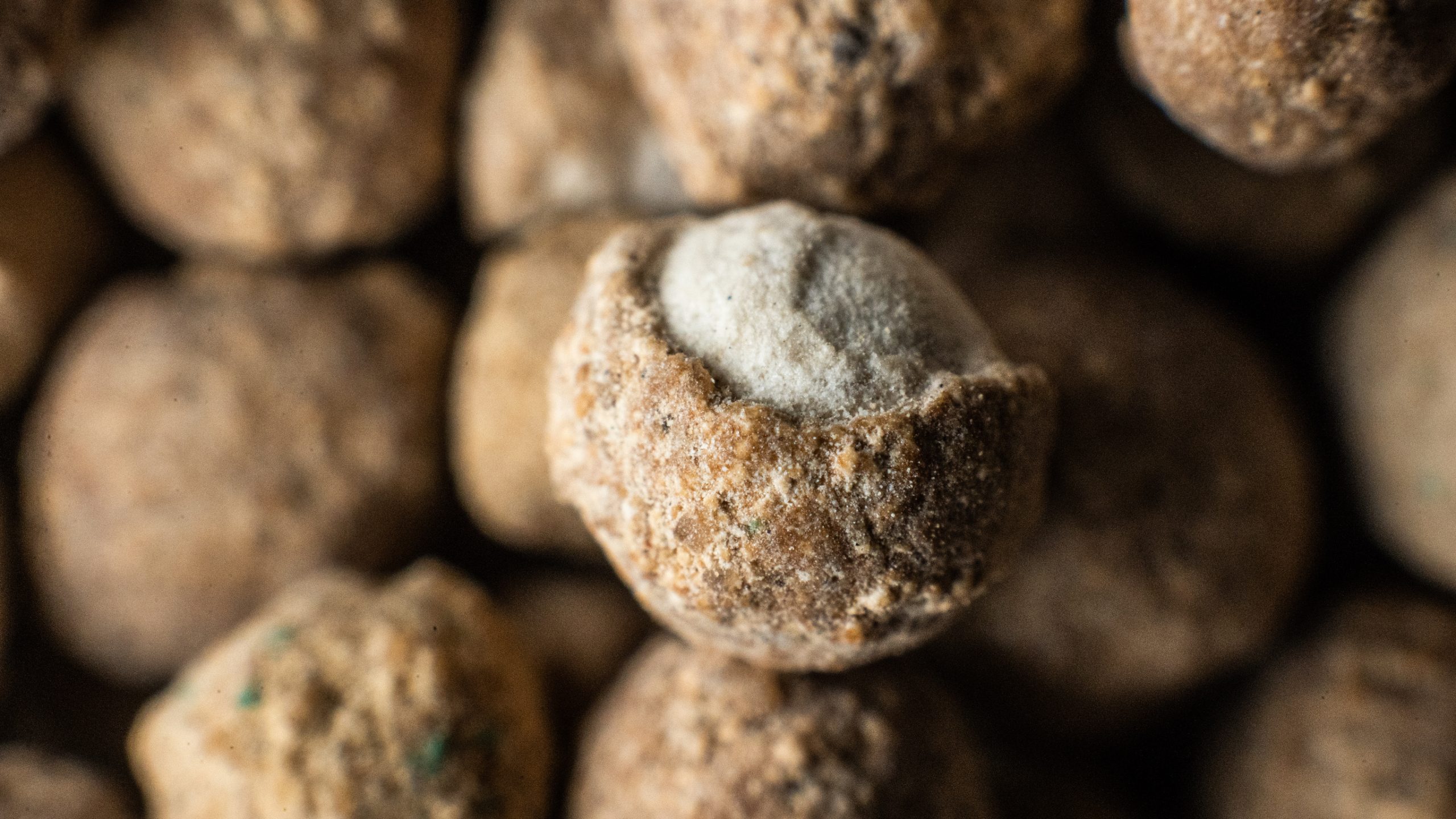
Transitioning dairy cows experience heightened metabolic activity and nutrient demands, making adequate mineral supplementation imperative for supporting their health and performance. You know your springers
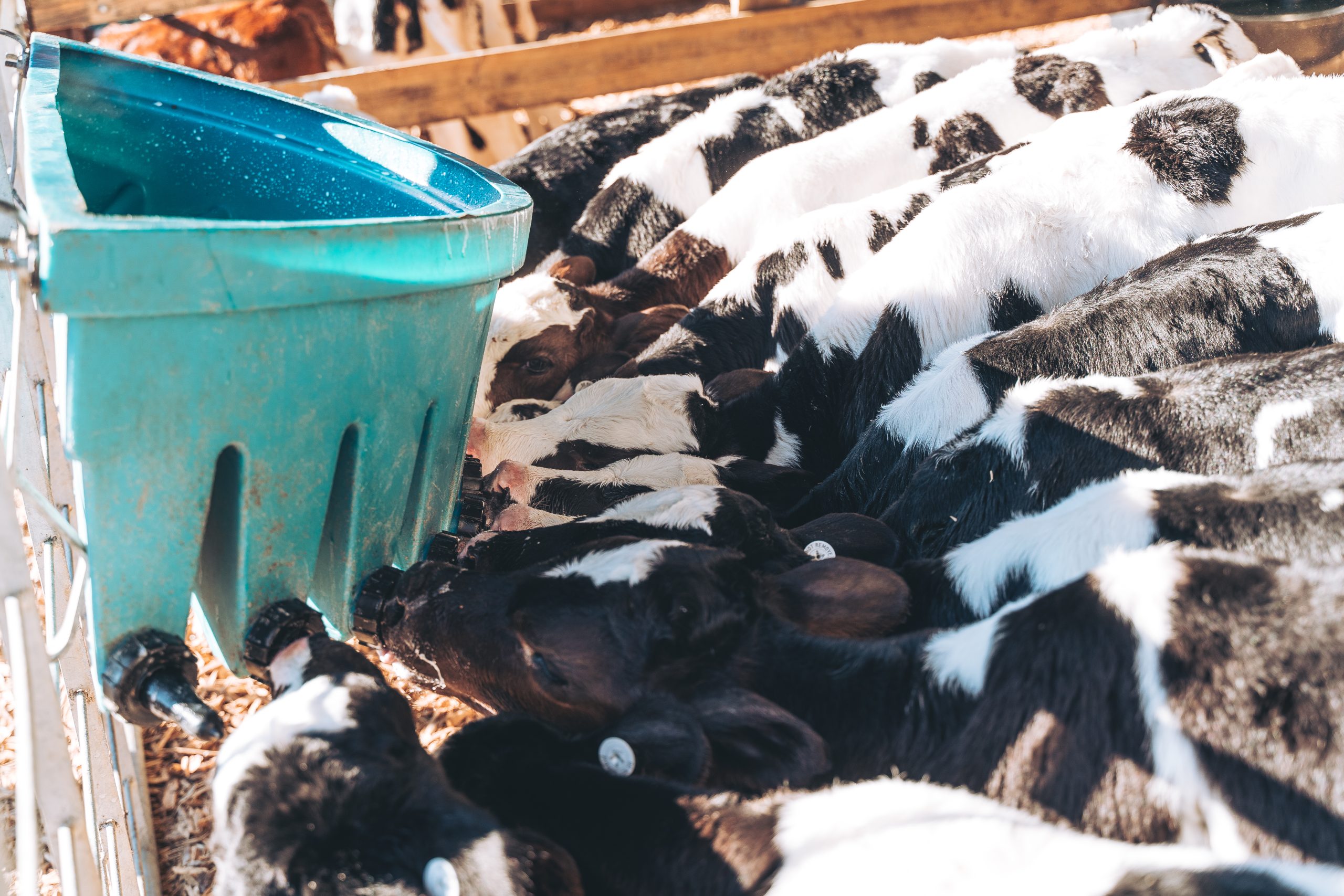
The transition period, whether in autumn or spring, is the single most stressful period a cow will experience each year. Having a solid plan in
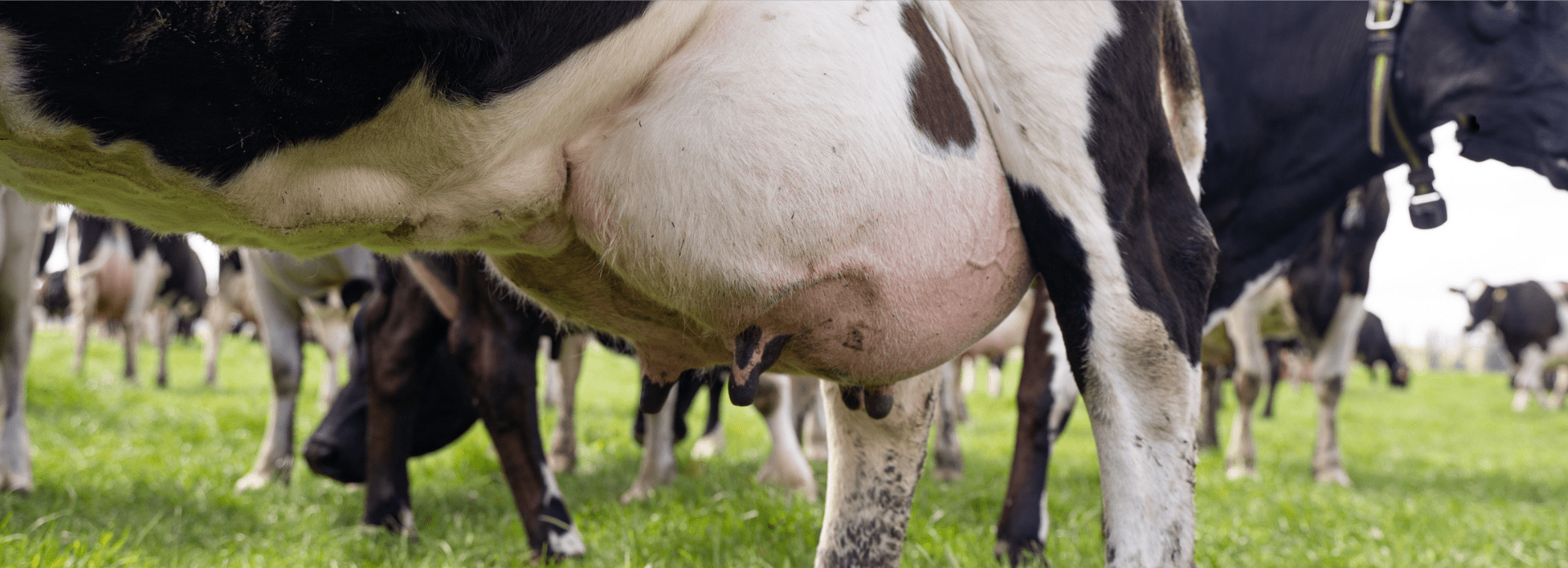
The end of lactation when cows are dried off is one of the few times during the seasonal calendar when both farmers and their cattle can take a breather from the daily grind of milking. The dry period is a critical phase in the seasonal cycle of every dairy cow, as it allows them time to rebuild the mammary tissue required for milk production in the next season. This is also a critical time for cows to build up their natural immunity before the next calf is born.
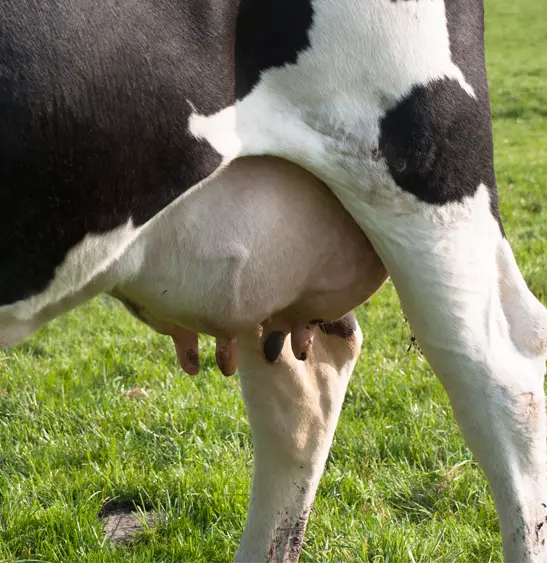
Milk producing cells within the udder are rapidly dying and being replaced while the cow is lactating. During the dry period the udder rapidly regenerates these cells in order to build maximum milk production capacity, in anticipation of the next lactation. Planning sufficient time to allow these processes to take place will ensure your herd is less likely to suffer from the effects of mastitis, which is an infection caused by bacteria or injury to the udder.
A farmer’s decisions at dry off can influence a herd’s mastitis prevalence for up to the following 6 to 12 months. As you know, it’s good practice to dry off lighter cows earlier; this is when body condition scores are imperative. This can also be a good time to either treat (dry cow therapy) or cull cows that have a history of mastitis.
Mastitis is an inflammation of the mammary gland, which is caused by either infection or trauma, and leads to decreased milk production. Contagious mastitis can spread quickly during milking, as milk from an infected quarter can be spread to the teat skin via dirty gloves, teat cup lines and cross flow of milk between teat cups.
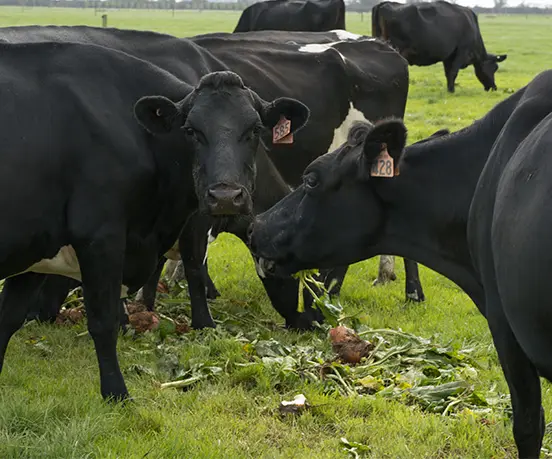
While there is no milk being produced during dry off, the average dry cow will require as little as 10kg of dry matter in order to maintain their condition. If the cow is light in body weight, she may need more feeding. However, overfeeding during this period in the hope of building condition may risk additional metabolic issues around calving.
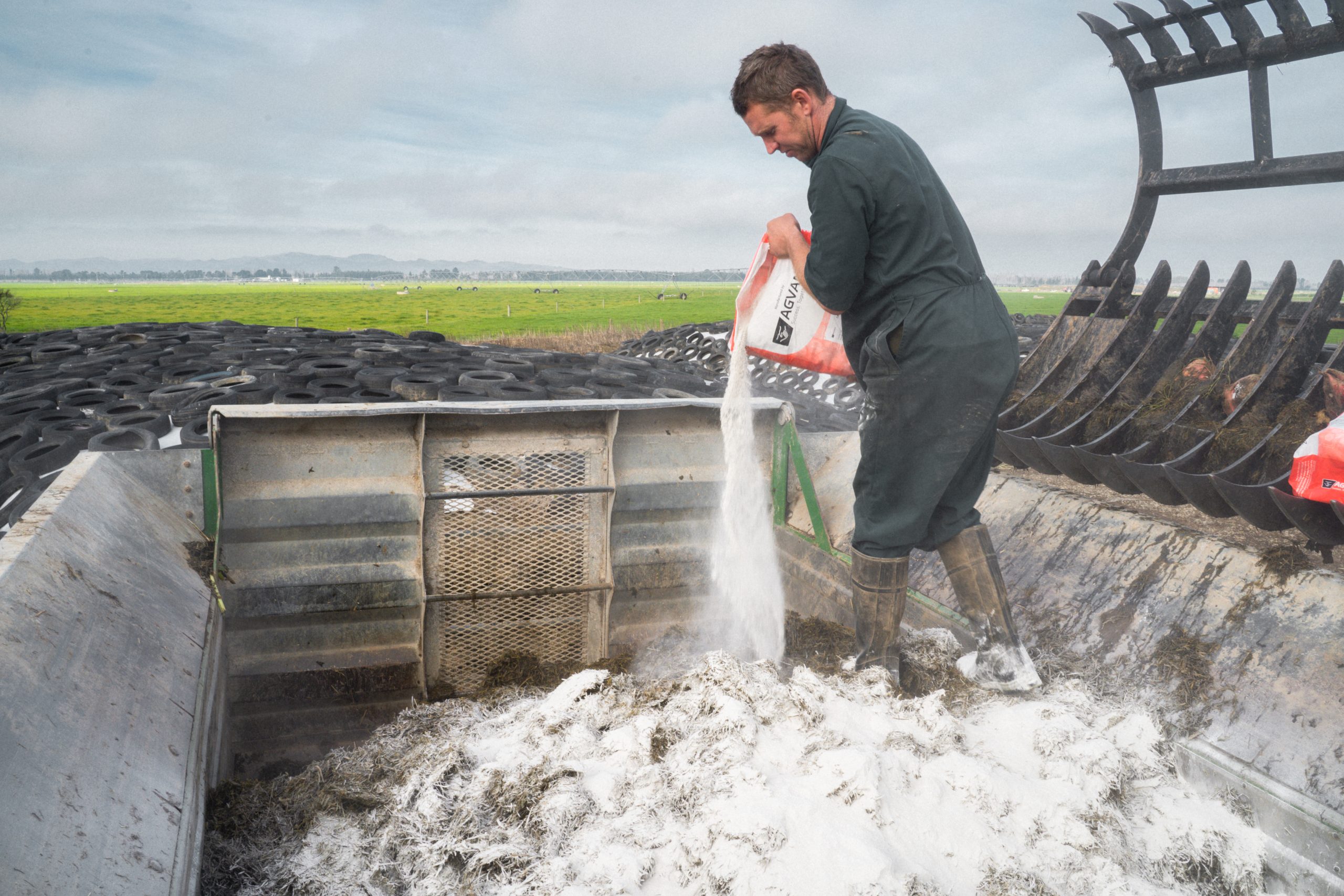
In order to build resilience and strength for a stress-free season, the dry period can be an important time to get mineral levels right. Minerals such as selenium, zinc, and copper, can increase the bodies resistance to udder infections early in the next lactation, while also ensuring better reproductive outcomes later in the season.
Every farm is different. Herds are drying off at different times, and they will have different diets and differing deficiency challenges. By using a custom mineral blend in conjunction with Agvance, farmers can defend against the likelihood of infections, by supporting the specific nutritional needs of their herd at this key time.