TRANSITION MAKES OR BREAKS REPRODUCTION
By September, most herds are already calved and are heading towards mating. The window to influence pre-calving minerals has passed, and decisions made in the

By September, most herds are already calved and are heading towards mating. The window to influence pre-calving minerals has passed, and decisions made in the
The liver doesn’t often get the attention it deserves. Tucked behind the rumen and largely invisible to farm-level observation, it quietly carries the burden of
Dairy cow productivity is usually focused on daily milk yields, however, reproduction is an important aspect when it comes to performance longevity. Cows that get
How trace elements impact reproductive performance It’s widely understood that mineral supplementation plays an important role in mating and pregnancy success, and a lot
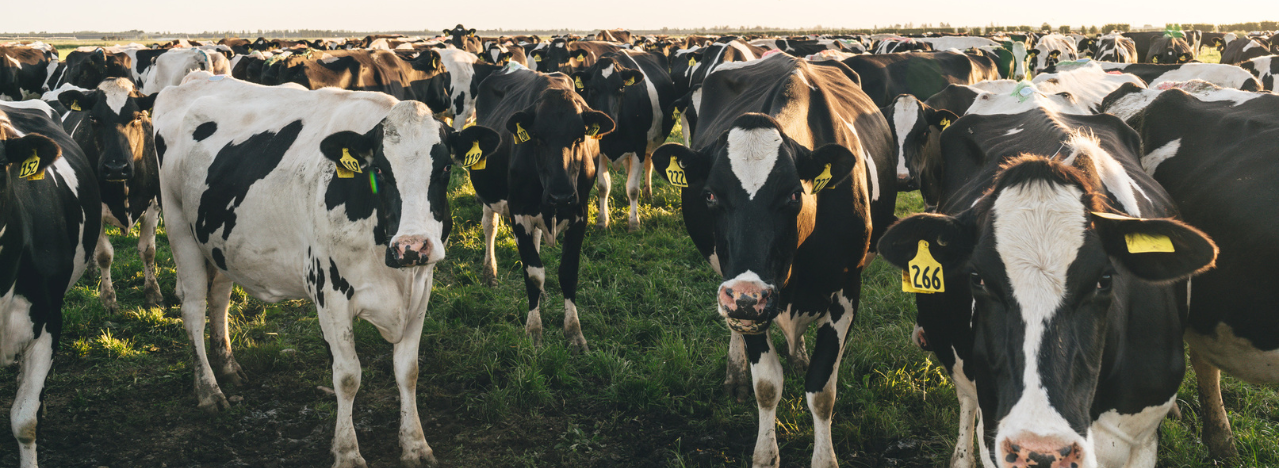
Successfully carrying the foetus through to full term is quite a balancing act. Maintaining a successful pregnancy requires the correct level of energy, and protein, as well as a quality source of carbohydrates. In the case of a ruminant, this means good-quality fibre. Also required is a correctly balanced ratio of minerals and vitamins. These are all critical factors in maintaining the very tightly balanced ratio of hormones required in early pregnancy.
The challenge is not getting them in-calf. It is keeping them in calf.
It is still a trend among some dairy farmers to concentrate on mineral supplementation only through the months of early lactation, and up to the completion of the mating period. In my view this misses the point.
Generally speaking while the energy and protein levels of the pasture may improve as the season progresses, the mineral levels in lush green spring pasture are often very low, and can reach their lowest level in the spring to early summer months. Cutting minerals at such a critical time can be likened to ‘saving cents while sacrificing dollars’. A fully formulated trace element supplement designed to be delivered throughout the season can cost anywhere from 50 cents to $1.70 per dairy cow per month depending on the types of mineral used and the levels required.
WE ASK A LOT OF OUR COWS AND IT IS AMAZING WHAT THEY WILL ENDURE AND STILL REMAIN PRODUCTIVE.
Given the usually challenging climatic conditions experienced on most New Zealand dairy farms during the spring, the average farmer certainly expects a lot from their cows. Firstly they go through the trauma of giving birth, then we extract large volumes of milk pretty much from day one, and then the cow is expected to become pregnant again. This all happens within a very tight window of time. Is it any wonder that cows struggle to recover when one stress event so closely follows the next?
PREPARING YOUR HERD FOR MATING SEASON Nutrition and rumen health As we head into the latter half of the year, New Zealand dairy farmers are