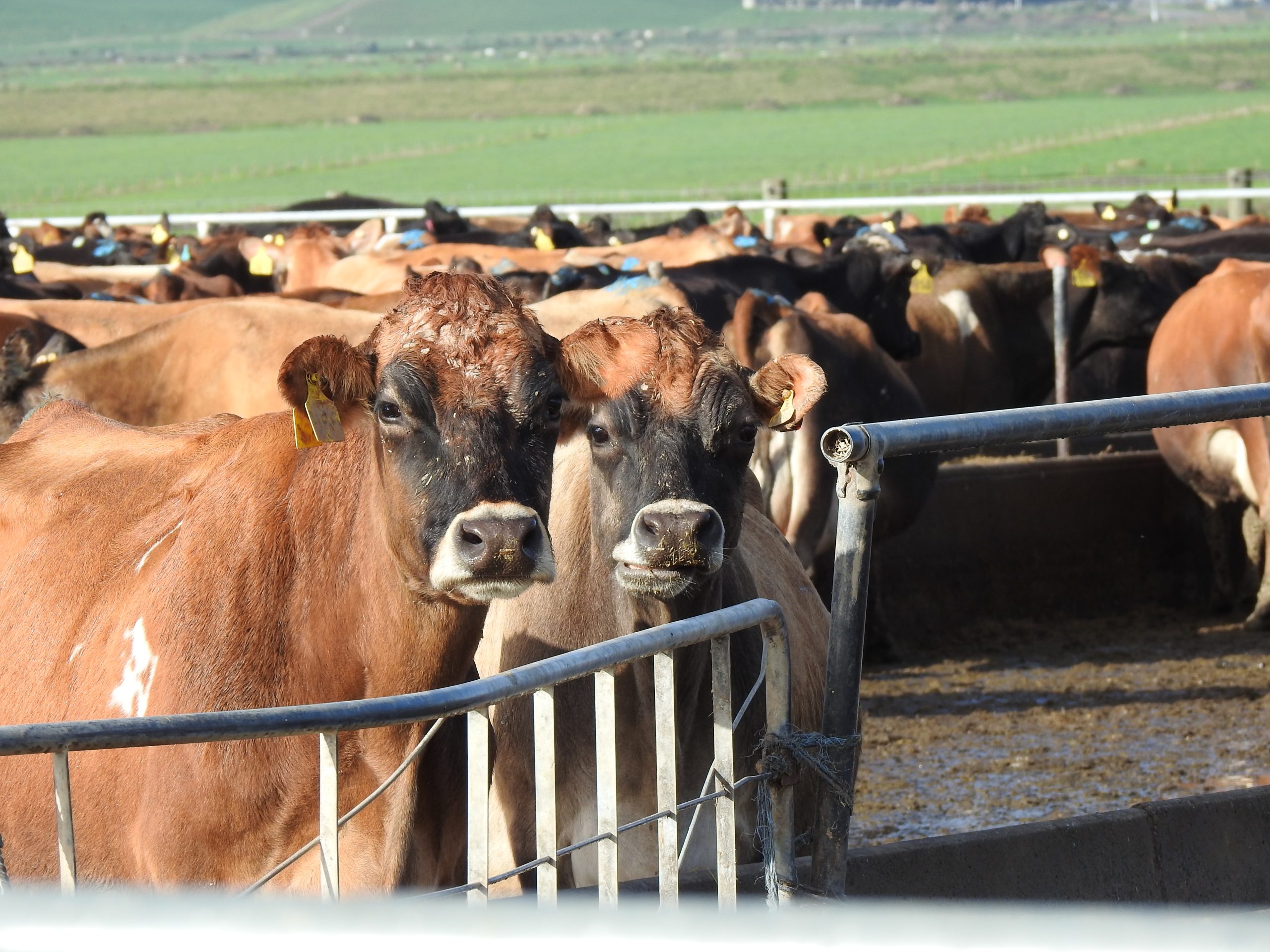
ALL YOU NEED TO KNOW ABOUT DOWNER COWS AND HOW TO AVOID THEM
Every dairy farmer knows the health of their herd is paramount. However, despite our best efforts, downer cows are still too common an occurrence, presenting

Every dairy farmer knows the health of their herd is paramount. However, despite our best efforts, downer cows are still too common an occurrence, presenting
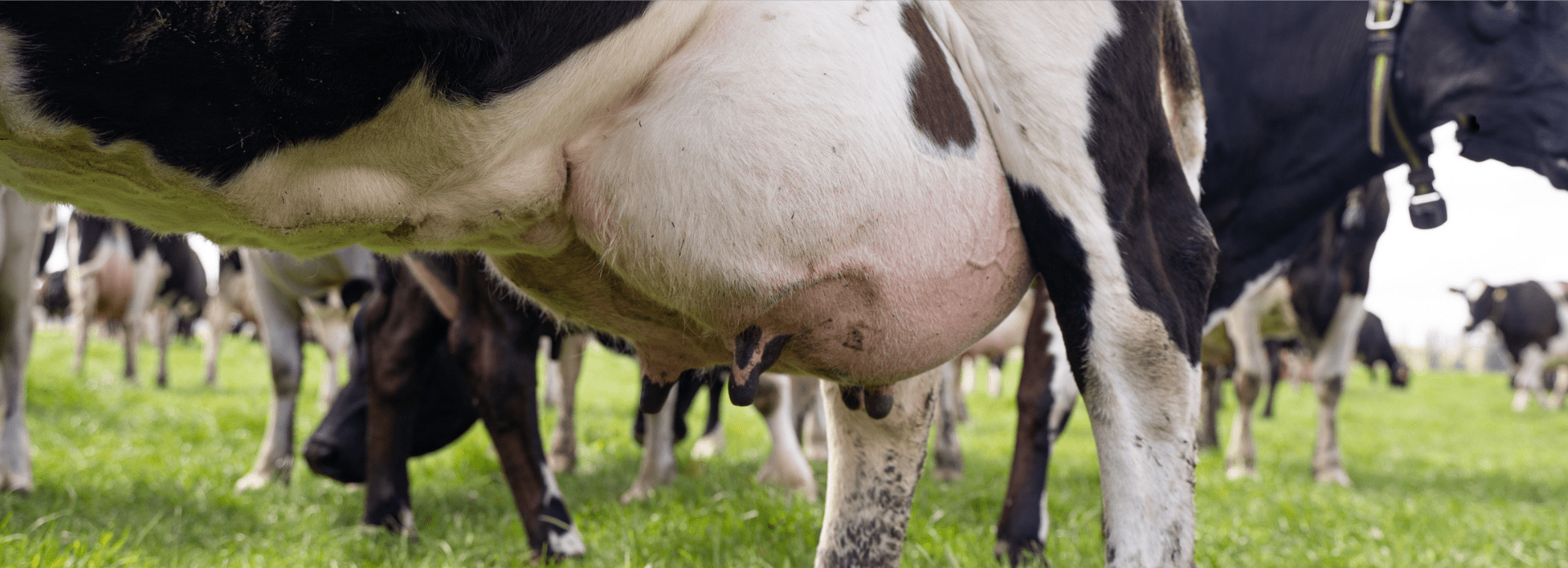
The end of lactation when cows are dried off is one of the few times during the seasonal calendar when both farmers and their cattle can take a breather from the daily grind of milking. The dry period is a critical phase in the seasonal cycle of every dairy cow, as it allows them time to rebuild the mammary tissue required for milk production in the next season. This is also a critical time for cows to build up their natural immunity before the next calf is born.
Milk producing cells within the udder are rapidly dying and being replaced while the cow is lactating. During the dry period the udder rapidly regenerates these cells in order to build maximum milk production capacity, in anticipation of the next lactation. Planning sufficient time to allow these processes to take place will ensure your herd is less likely to suffer from the effects of mastitis, which is an infection caused by bacteria or injury to the udder.
A farmer’s decisions at dry off can influence a herd’s mastitis prevalence for up to the following 6 to 12 months. As you know, it’s good practice to dry off lighter cows earlier; this is when body condition scores are imperative. This can also be a good time to either treat (dry cow therapy) or cull cows that have a history of mastitis.
Mastitis is an inflammation of the mammary gland, which is caused by either infection or trauma, and leads to decreased milk production. Contagious mastitis can spread quickly during milking, as milk from an infected quarter can be spread to the teat skin via dirty gloves, teat cup lines and cross flow of milk between teat cups.
While there is no milk being produced during dry off, the average dry cow will require as little as 10kg of dry matter in order to maintain their condition. If the cow is light in body weight, she may need more feeding. However, overfeeding during this period in the hope of building condition may risk additional metabolic issues around calving.
In order to build resilience and strength for a stress-free season, the dry period can be an important time to get mineral levels right. Minerals such as selenium, zinc, and copper, can increase the bodies resistance to udder infections early in the next lactation, while also ensuring better reproductive outcomes later in the season.
Every farm is different. Herds are drying off at different times, and they will have different diets and differing deficiency challenges. By using a custom mineral blend in conjunction with Agvance, farmers can defend against the likelihood of infections, by supporting the specific nutritional needs of their herd at this key time.
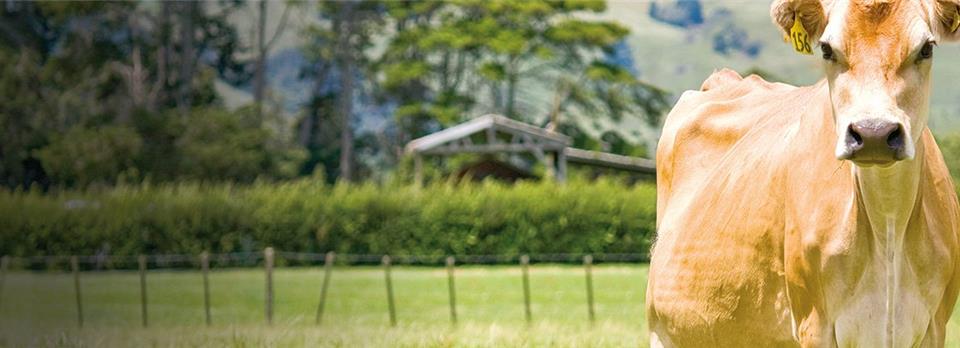
Facial eczema is a cause of major production losses in dairy herds.
When moisture, high ground temperatures and humidity all occur together, the offending fungus present all year round becomes a problem. Under these conditions the fungus grows rapidly and spores are produced containing the toxin Sporidesmin which damages the liver and prevents removal of chlorophyll break down products from the body. This ultimately causes photosensitisation or ‘sunburn’ when the cow is exposed to sunlight. This is usually seen 10 days after exposure to the spores. The first thing you may notice is a drop in milk production and affected cows may seek shade, have swollen legs or brisket, fat ears, red skin or burnt teats.
KEY STRATEGIES TO FE PREVENTION:
1) GRAZING
• Spore counting & then selectively grazing safe paddocks – obtain spore count information from your local vet or get spore counts done on pasture samples from your own farm and send them to your vet for testing
• Avoid hard grazing of paddocks as the toxin is concentrated at the bottom of the sward
• No topping of grass as this allows build-up of leaf litter
• Provide alternative feeds (maize, silage, brassica crops, hay) during high risk times
2) ZINC DOSING
Zinc forms a stable complex with sporidesmin preventing damage to the liver. For best protection zinc dosing should be started 2-3 weeks before spore counts start to rise (December – January.)
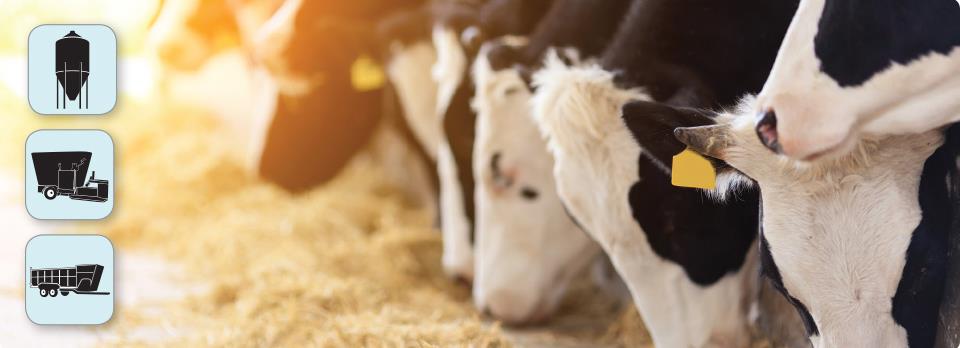
TOUCHY COWS, SUMMER PRODUCTION DROPPING OFF?
Typically during the summer months when temperatures and humidity levels are high, dairy cows face health challenges. Rye grass staggers occur from late November until the end of April, but tend to be worst from late January to early February, when we experience hot, dry spells followed by rain. Heat stress also becomes an issue where the cow’s ability to lose heat by sweating and breathing declines owing to the high relative humidity levels. Natural grass toxins which form when plants come under environmental stress, can also affect the animals grazing them.
Are your cows becoming hot and bothered this summer? Settle them down with Ascocool seaweed extract, a fully water soluble seaweed extract that helps to calm cows in the heat of summer.
Read further research here
WHY USE SEAWEED EXTRACT?
Agvance’ concentrated Seaweed Extract – called Ascocool can assist in alleviating these summer time health issues. It originates from the North Atlantic brown seaweed called Ascophyllum Nodosum where research trials have shown that this particular seaweed helps in the following ways:
1) Binds naturally occurring toxins & moulds that build up in grasses & stored feed under hot, dry humid conditions, causing heat stress and problems in central nervous system
2) Increases immunity
3) Potential to act as a powerful prebiotic owing to poly & mono-saccharides being present that allow for more efficient breakdown of feed
4) Contains a wide range of amino acids
Check out our Ascocool brochure here
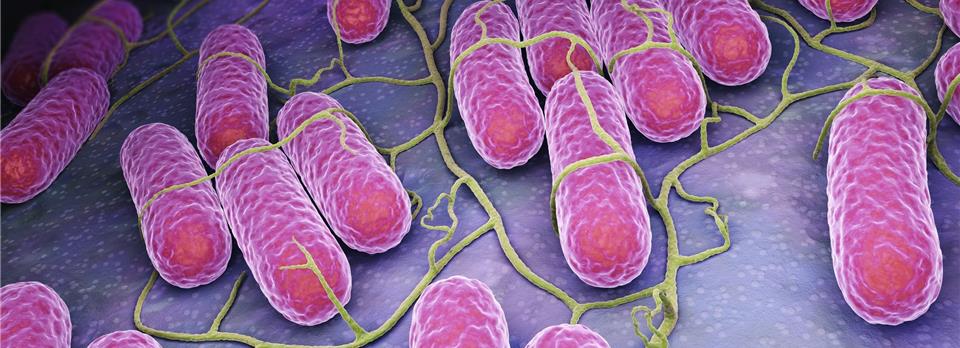
Salmonella link to coarse grade and palleted Magnesium Oxide in Feeds
Over the past few weeks, a number of vets have been reporting Salmonella outbreaks on dairy farms. Our investigations on some of these farms indicate that these outbreaks seem to correlate to use of pelleted Magnesium Oxide being fed in palm kernel based feeds. Although one of the farmers we interviewed, reported some salmonella before feeding the PKE containing the coarsely ground magnesium oxide, he reported that after introducing the feed the disease took off. On discussions with some in the feed industry it would seem that coarsely ground magnesium supplements may have been widely used throughout the feed mill industry over the past 2 seasons. This magnesium is a little different to that used in the past and the pelleted magnesium associated with the outbreaks of salmonella reported in Taranaki. Prior to the last two seasons this coarsely ground form of magnesium oxide was formerly only sold into the fertiliser market and has large particle sizing, ranging from 2mm – 5mm. We believe the same risk factors are involved as those reported in the Taranaki outbreak of 2011 at that time associated to a prilled magnesium oxide product used in those feeds.
A case controlled study was performed in 2011 – 2012 to identify herd-level risk factors for acute Salmonellosis. It is our belief that the most recent outbreak has many of the same issues in common with the earlier outbreak. This summary, identified a number of risk factors that contributed to this sudden outbreak of the infection across a large number of herds, most particularly highlighted was the strong connection between feeding granulated magnesium supplements and prevalence of the disease.
click here to read study
CONTRIBUTING FACTORS IDENTIFIED IN THIS REPORT WERE AS FOLLOWS:
1) Continuous feed troughs – consumption of supplementary feed from shared troughs varies amongst individual cows where dominant cows will consume more than their allotted daily feed allowance, with submissive cows consuming less. Fluctuations in feed intake could affect the rumen microflora balance, allowing salmonella to multiply and cause infection. Reduce risk by using individual troughs.