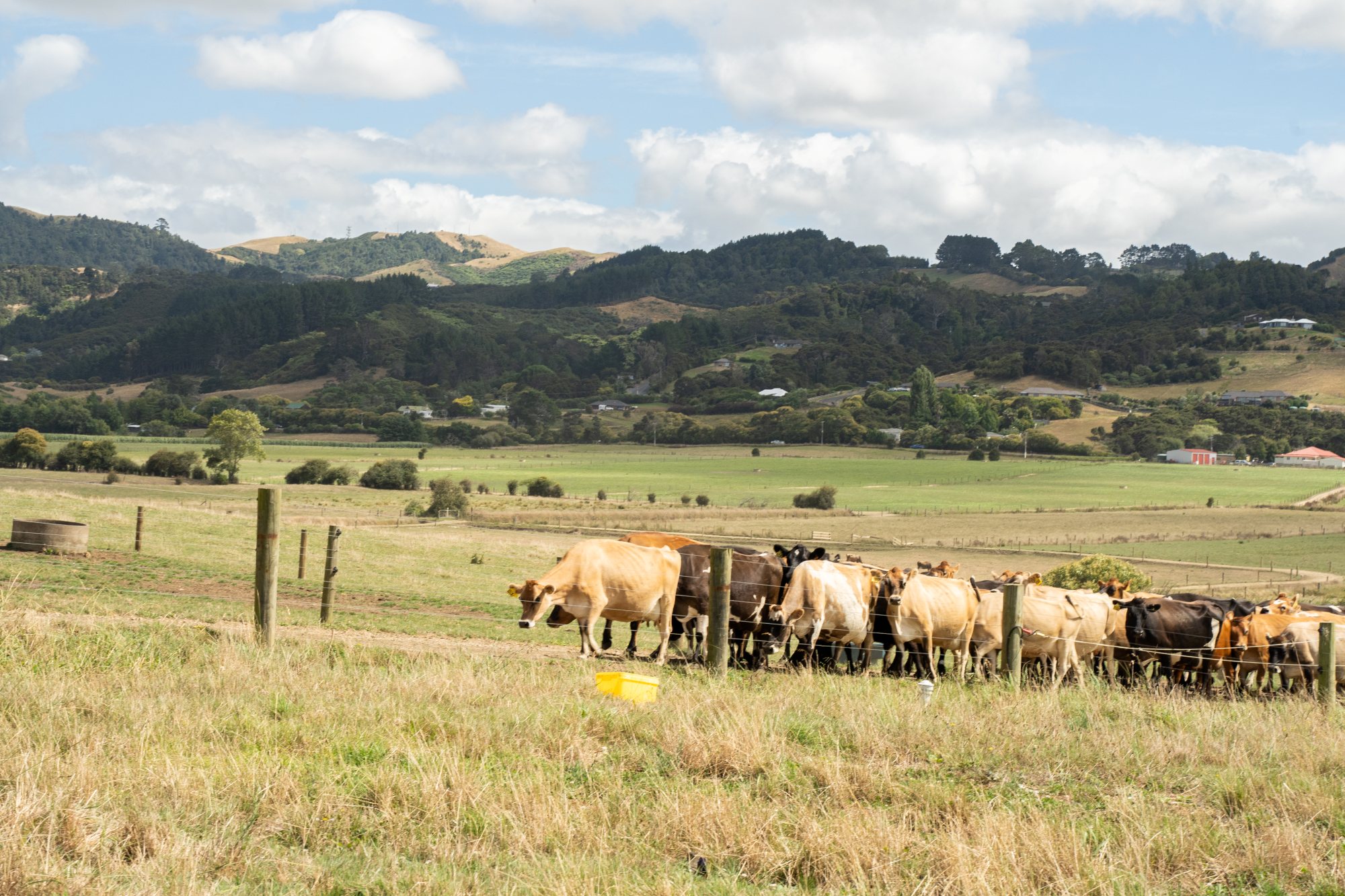
ARE YOUR COWS EXPERIENCING B1 DEFICIENCY?
B1, also called thiamine, is made in the rumen. When the rumen is unsettled, or cows are under heat or feed stress, B1 levels can

B1, also called thiamine, is made in the rumen. When the rumen is unsettled, or cows are under heat or feed stress, B1 levels can
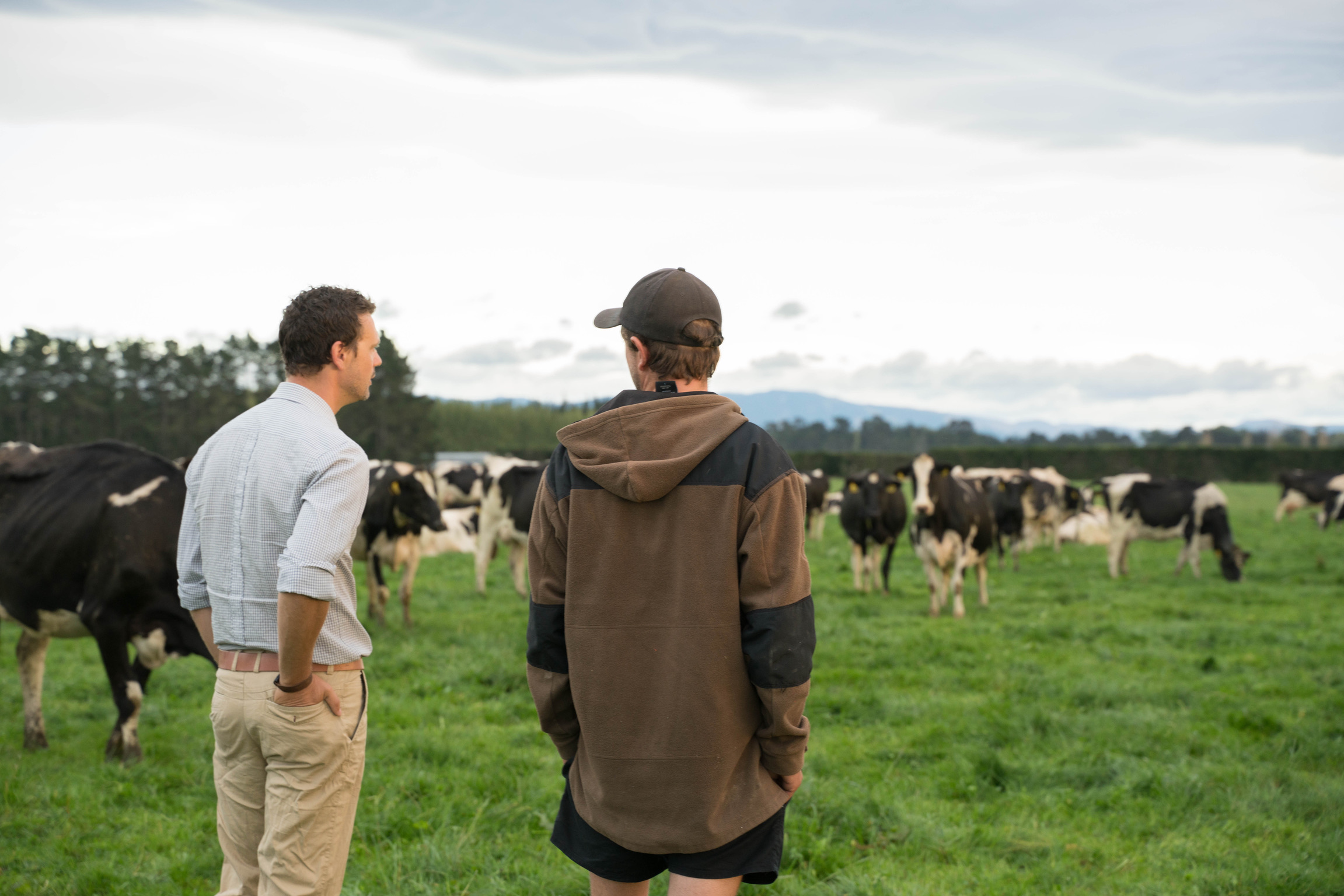
We’ve come a long way in dairy farming over the past couple of decades. Genetics are better, sheds are more modern and we have more
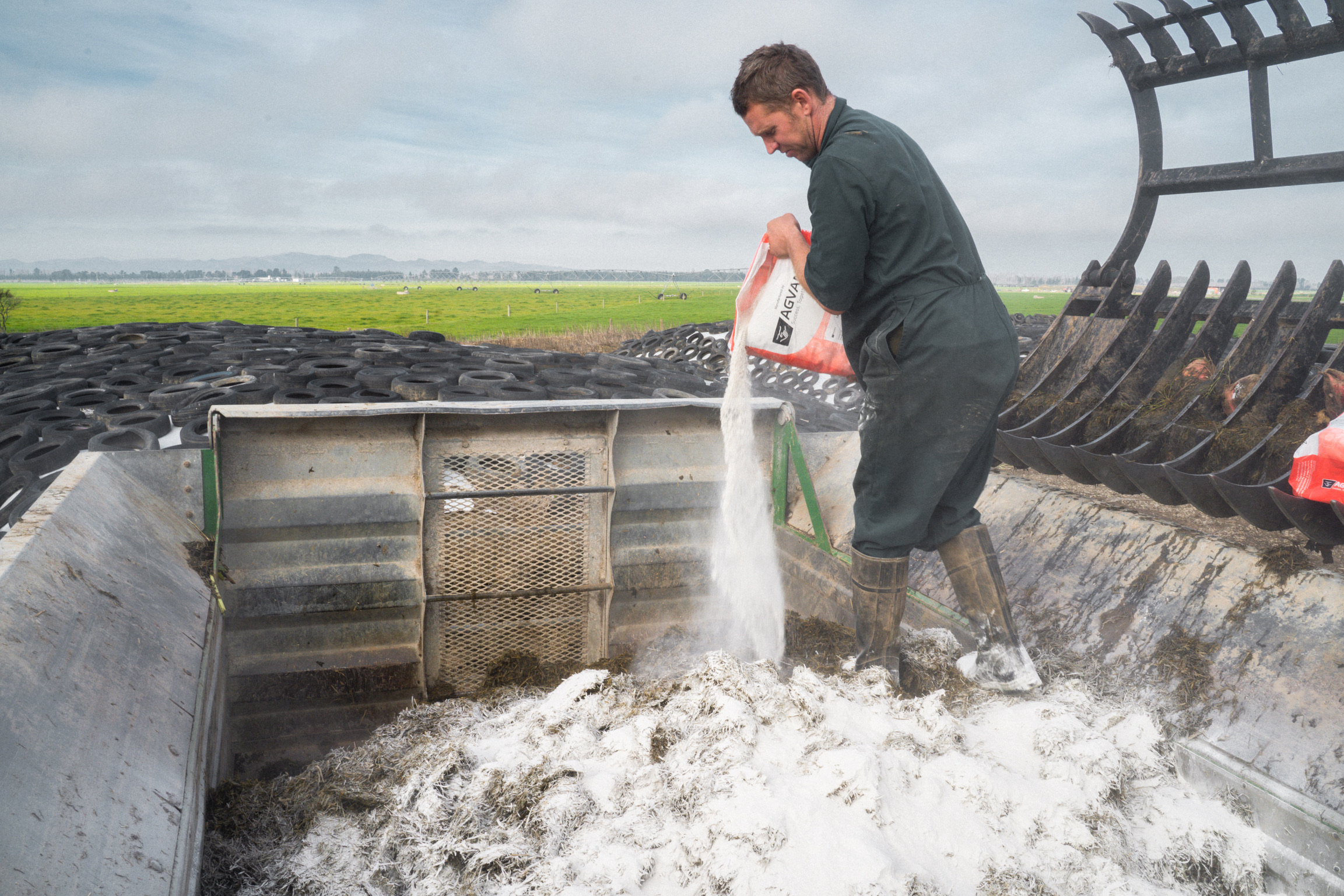
The health and productivity of dairy cows mean the difference between a successful or struggling dairy operation, and these can be significantly influenced by proper
When I started working with farmers 40 years ago, if you asked a farmer what fertilizer he used, he would invariably tell you how much Super he was applying. Back then fertilizer was either straight super or potassic super. Most farmers could readily rattle off the units of P being applied per acre. It was common to see soil ‘Olsen P’ levels in excess of 60 on loam soils and as high as 110 on some pumice soils. Pasture commonly came back at levels in excess of 0.55% P on a dry matter basis.
At the time, if you had the courage to suggest to a farmer that he consider cutting back the phosphorus he used… he would give you a very nervous look.
Jump forward to the present day, farmers haven’t just been weaned off their P addiction, many have gone cold turkey. Because of environmental constraints around feed brought onto the farm, many farms see little or no P fertilizer being applied. As the fertilizer budget is reduced, this situation has seriously decreased plant P levels. Adding to the issue is that NZ cows used to be fed mainly grass. They are now fed a variety of feeds, many being P deficient yet supplying high soluble sugar or starch level. Where it used to be rare to see a case of phosphorus deficiency it is now becoming a common problem.
A DEVELOPING CONCERN
There is hardly a day goes by when we don’t hear from a farmer describing what they think are normal calcium deficient downer cows. When questioned, the symptoms often don’t quite fit, these cows don’t always respond so well to normal treatment. Sometimes a bottle of calcium in the vein will get them up, only for many to go back down again later. Often these cows will only respond to a calcium phosphorus combination into the vein, or if given calcium borogluconate can tend to go down again.
NEW ZEALAND SOILS ARE LOW IN SELENIUM
Selenium is an essential trace element for ruminants and required for growth, fertility and the prevention of mastitis and calf scours. However, selenium deficiency is prevalent in soils around the country. This presents an issue every farm manager would benefit from understanding better. A new generation of organic selenium supplementation (called Excential Selenium 4000) will be introduced into New Zealand this year. It’s an exciting development, providing a significant improvement to previous options for selenium supplementation on the farm. But first we need to understand the relevance and impact of selenium deficiency.
WHY IS SELENIUM IMPORTANT?
Specific enzymes (selenoproteins) require the incorporation of selenium to ensure their activity in the animal. These enzymes reduce the presence of oxide radicals (produced during normal metabolic activity and elevated during stressful periods) that cause cell damage and subsequent malfunction of tissues. Protection against these harmful by-products is especially important in high-energy demanding cells such as heart, muscle and mammary gland cells.
Unfortunately, there is often a selenium deficiency in animals due to limited uptake from the diet. These deficiencies can be pronounced in ruminants grazing on pastures grown on selenium-deficient soils, such as here in NZ. Resulting challenges may include suboptimal milk production and fertility, mastitis and premature, weak calves. In places with severe selenium deficiency calves have poor growth rates, difficulties standing, and sudden deaths can occur. To prevent this, it is important to provide additional selenium via the diet and assess regularly the selenium status of the herd by analysing blood and milk.
SELENIUM DEFICIENCY – A NUTRITIONAL SOLUTION
Selenium can be added to the diet in either inorganic or organic forms. The advantage of using organic selenium over inorganic sources (e.g. sodium selenite or selenate) is its ability to be incorporated directly into animal proteins. This incorporated selenium (in the form of L-Selenomethionine) acts as a storage depot of selenium inside the animal. L-Selenomethionine is the only selenium compound that can be directly, without conversion, built into animal structural proteins (i.e. muscle and liver). This ensures optimal selenium supply, even during stressful periods (e.g. calving, lactation, heat) when selenium intake is required most by the animal.
Article by Robin Boom. One problem farmers face today in relation to fertilisers is just whose advice to follow, since opinions between scientists, independent consultants, farm advisers and different fertiliser company reps is so wide and varied, and when it comes to the application of boron we have a classic example.
I personally believe the non-application of boron on many farms is costing farmers dearly in the areas of stock health and poor pasture production, particularly from clovers. Although there is debate over the primary function of boron in plants, it is known that boron deficiency reduces the ability of root cells to absorb phosphorus, chlorine and rubidium (used to mimic potassium). This will result in stunted clovers, not only above the soil, but also below as far as the root mass is concerned, thus reducing the plants’ ability to exploit the soil.
Responses to boron become most marked when all the other elements are in good supply. Farms which have regularly received good applications of lime and potassic super, yet on which pasture growth is not really firing, could well benefit from boron. A pot trial at Ruakura showed production responses to boron on a boron deficient soil near Taupo in red clover of up to 107% increase, 74% in lucerne and 43% increase in white clover (NZ Journal of Agricultural Research 1983, p. 197-203).
Boron has also been associated with calcium deficiency in plants and animals. Boron appears to be a catalyst for the absorption and transport of calcium. When cows go down with milk fever, Calcium Boroglucanate (calcium, boron and glucose) is often used as a remedy, and this contains 4% Boric Acid (soluble boron). On one of the Caribbean islands, the high incidence of arthritis was attributed to a very low boron status in the soil. Interestingly enough, New Zealanders also have one of the highest incidences of arthritis in the world. In apple trees, bitter pit, which is caused by a low calcium level, has been corrected through boron applications. Low calcium levels in pasture plants can sometimes be attributed to the low levels of boron, even though the calcium level is good in the soil.
Boron deficiency has also been linked to poor seed and flower formation in grasses and clovers. In another pot trial at Ruakura in 1983, the affect of boron on seed production from red and white clover cultivars and lucerne was tested on a known boron deficient soil. The results were that seed production was multiplied many times with the addition of boron. In red clovers and lucerne, this was caused by a big increase in flower numbers, whereas for white clovers the increase was in the number of seeds per flower (NZ Journal of Experimental Agriculture 1983). This increase in seed production can be very significant for permanent pasture where a lot of natural reseeding takes place.