
NEGATIVE DCAD OR ZEOLITE: CHOOSING THE RIGHT PRE-CALVING STRATEGY
Both negative DCAD and zeolite can reduce milk fever risk, but managing negative DCAD is often the more practical, proven and measurable option for many

Both negative DCAD and zeolite can reduce milk fever risk, but managing negative DCAD is often the more practical, proven and measurable option for many

Positive DCAD is not the target for close-up springer cows. A positive (high) DCAD diet (driven by excess sodium and potassium) pushes cows toward metabolic
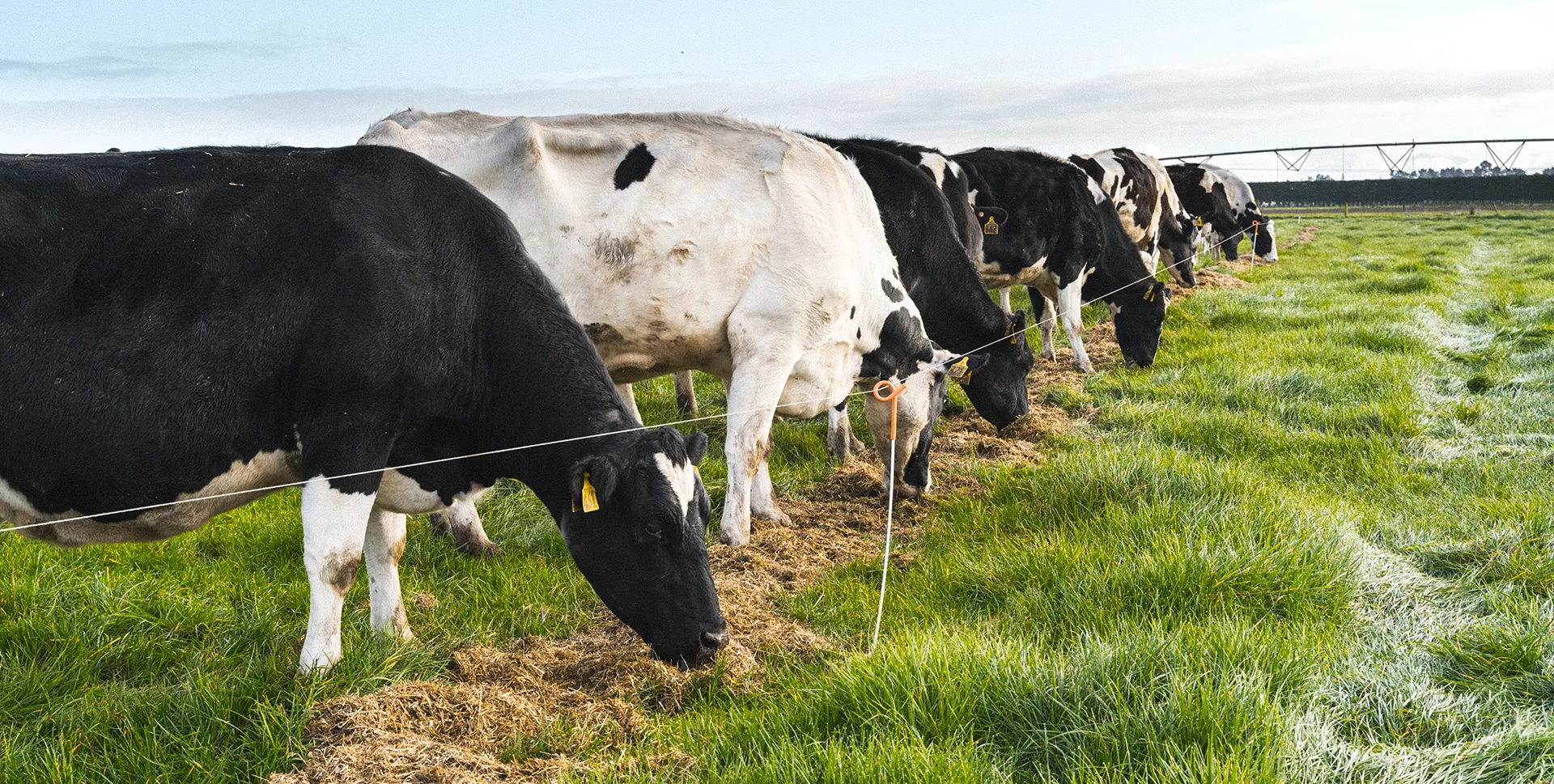
Strong transition, no matter your system There’s a common assumption that effective transition cow management is only practical for high-input farms, as controlled rations can
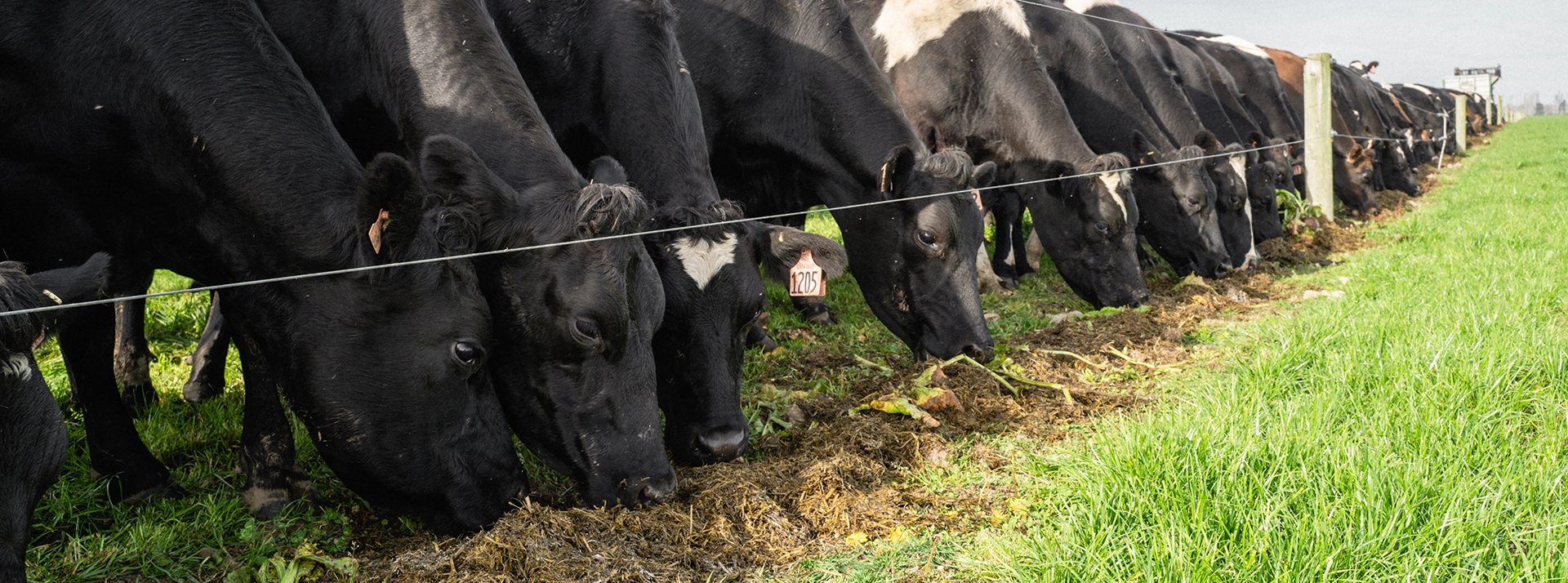
Are we setting cows up to go down after calving? When a cow goes down after calving, it is easy to blame the calving itself.
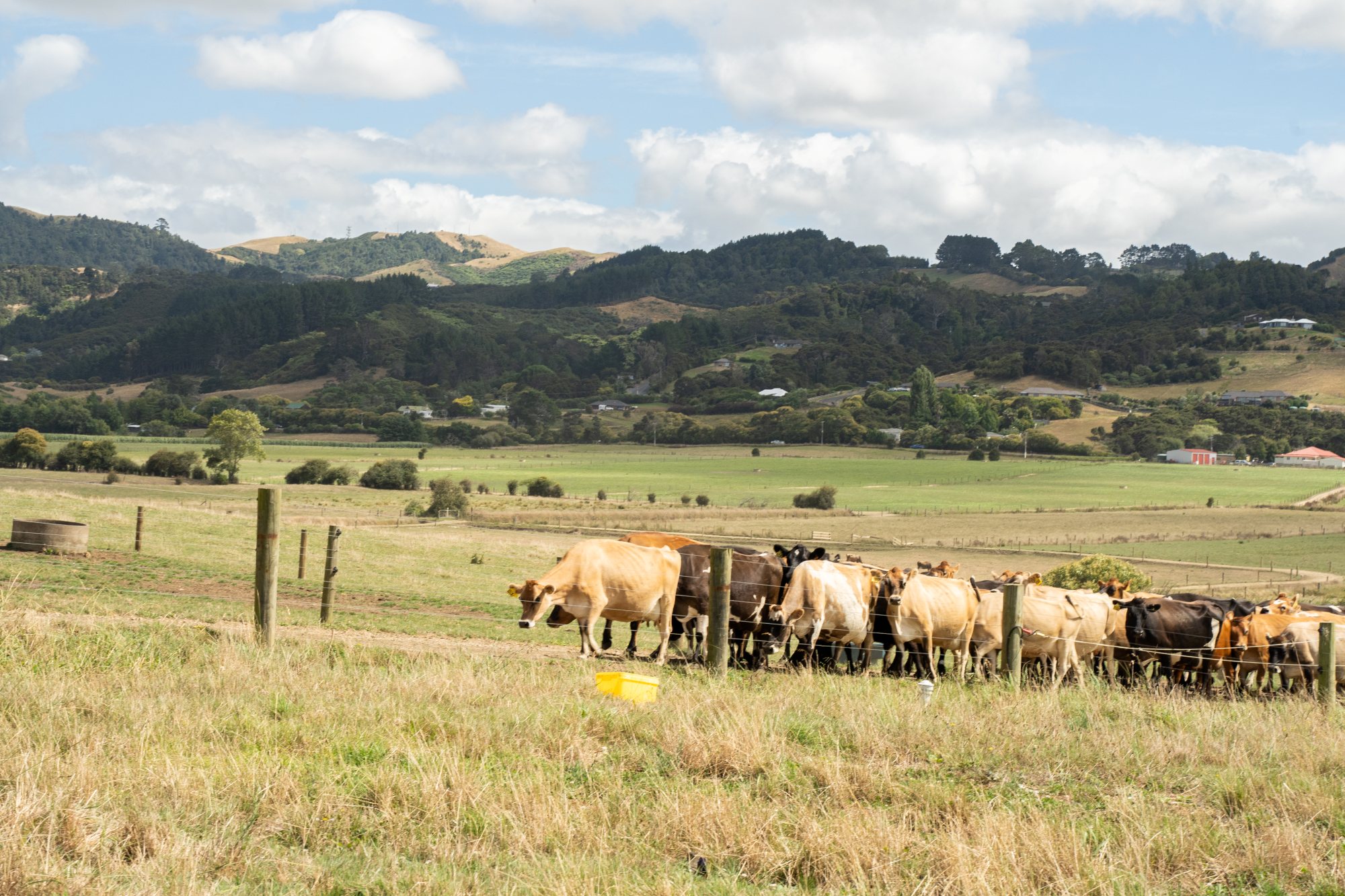
B1, also called thiamine, is made in the rumen. When the rumen is unsettled, or cows are under heat or feed stress, B1 levels can
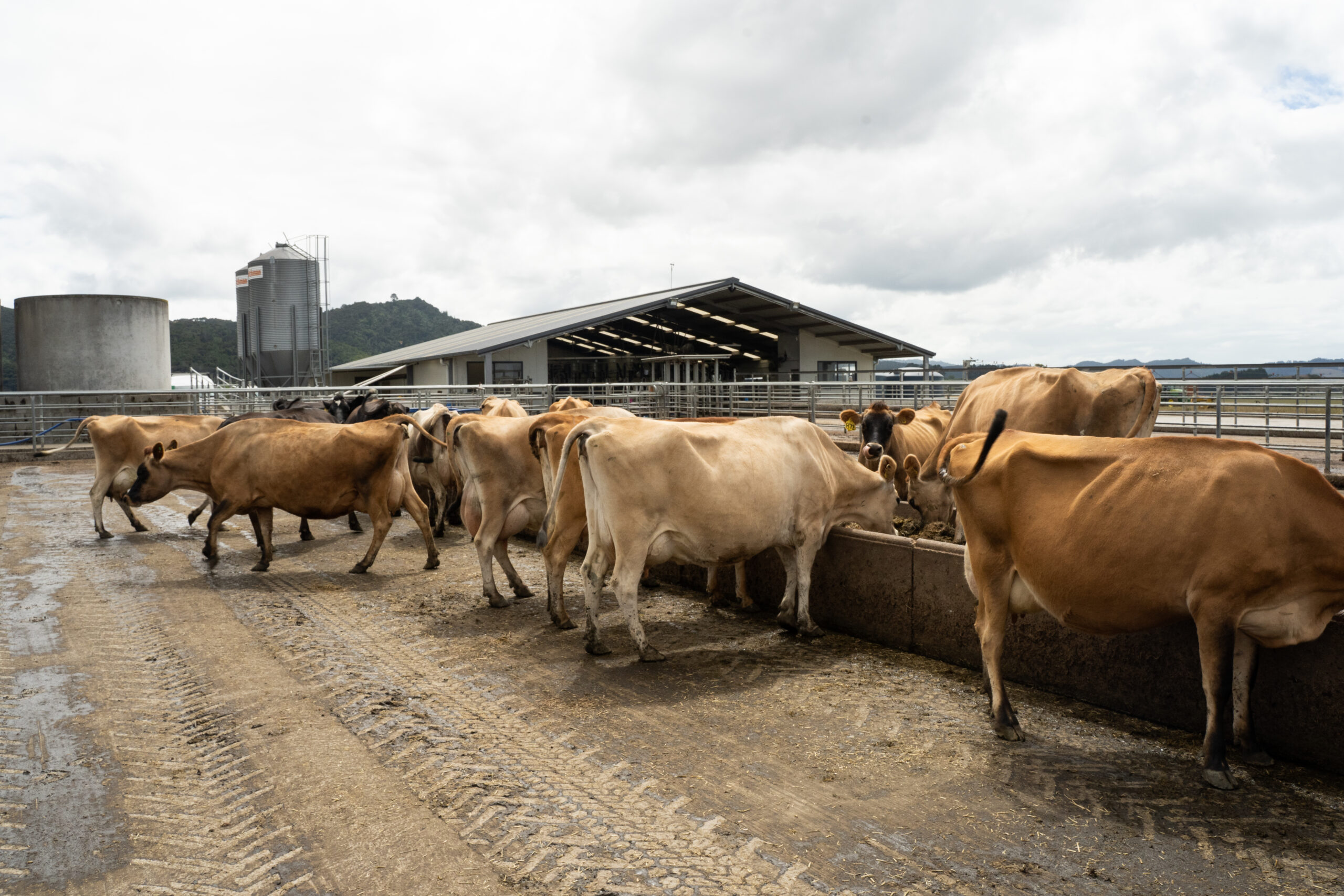
Over-conditioned cows, those with excess body condition (BCS > 6.0), present unique challenges, especially as they approach calving. Our pasture-based systems combined with a relatively
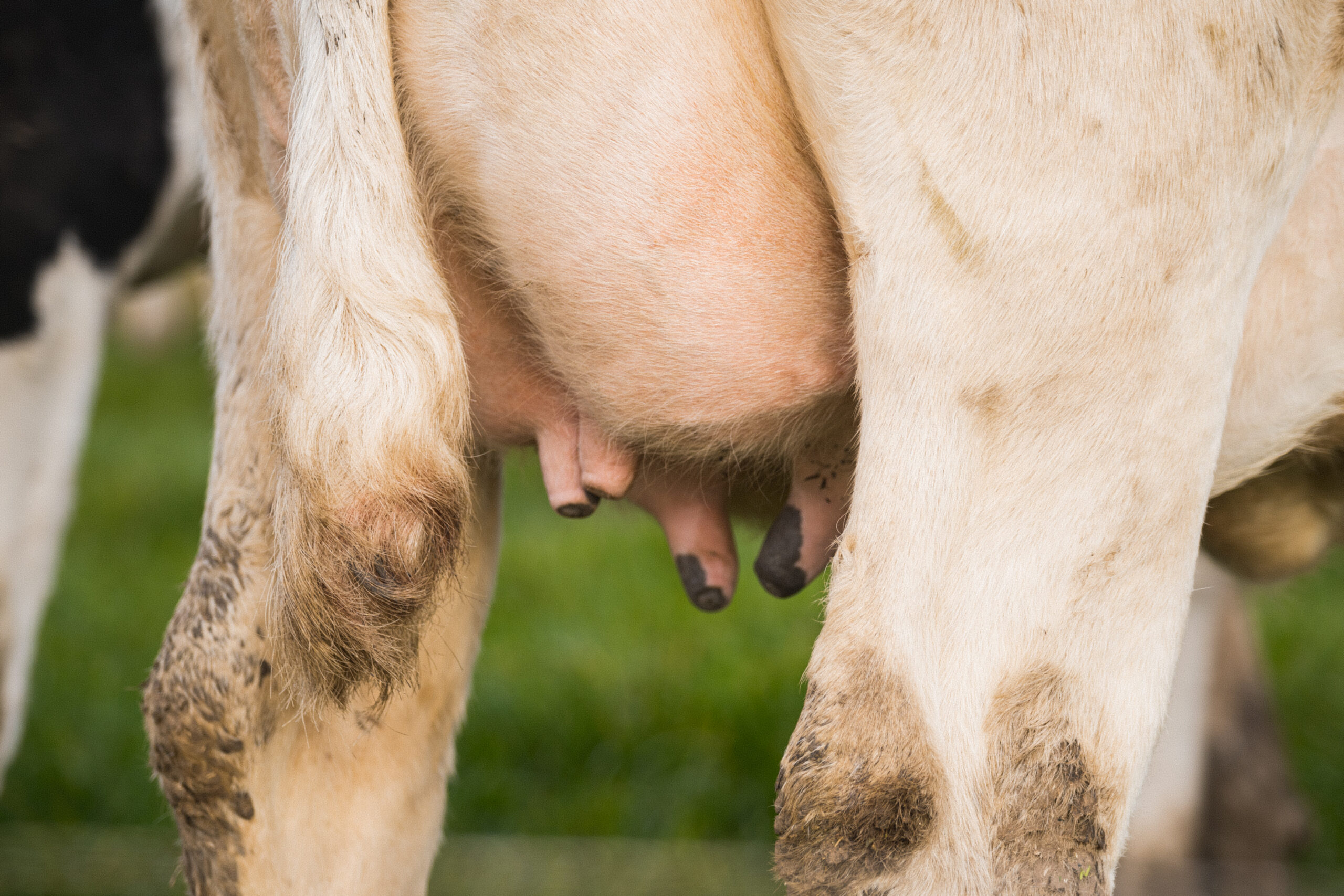
Written by Chris Balemi, Agvance Nutrition Founder and Managing Director We all recognise the symptoms of a classic down cow – dull eyes, sleepy,
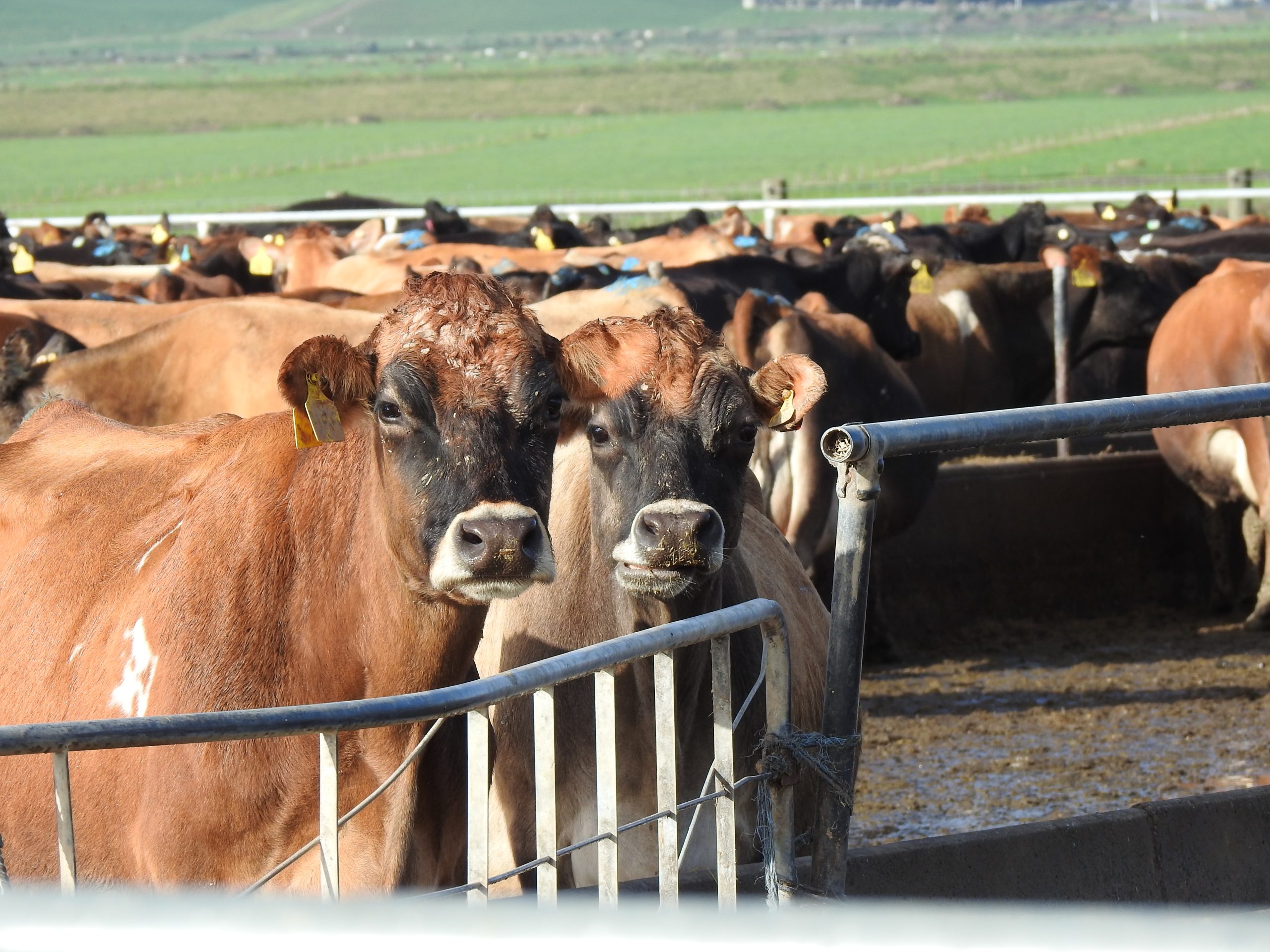
Every dairy farmer knows the health of their herd is paramount. However, despite our best efforts, downer cows are still too common an occurrence, presenting
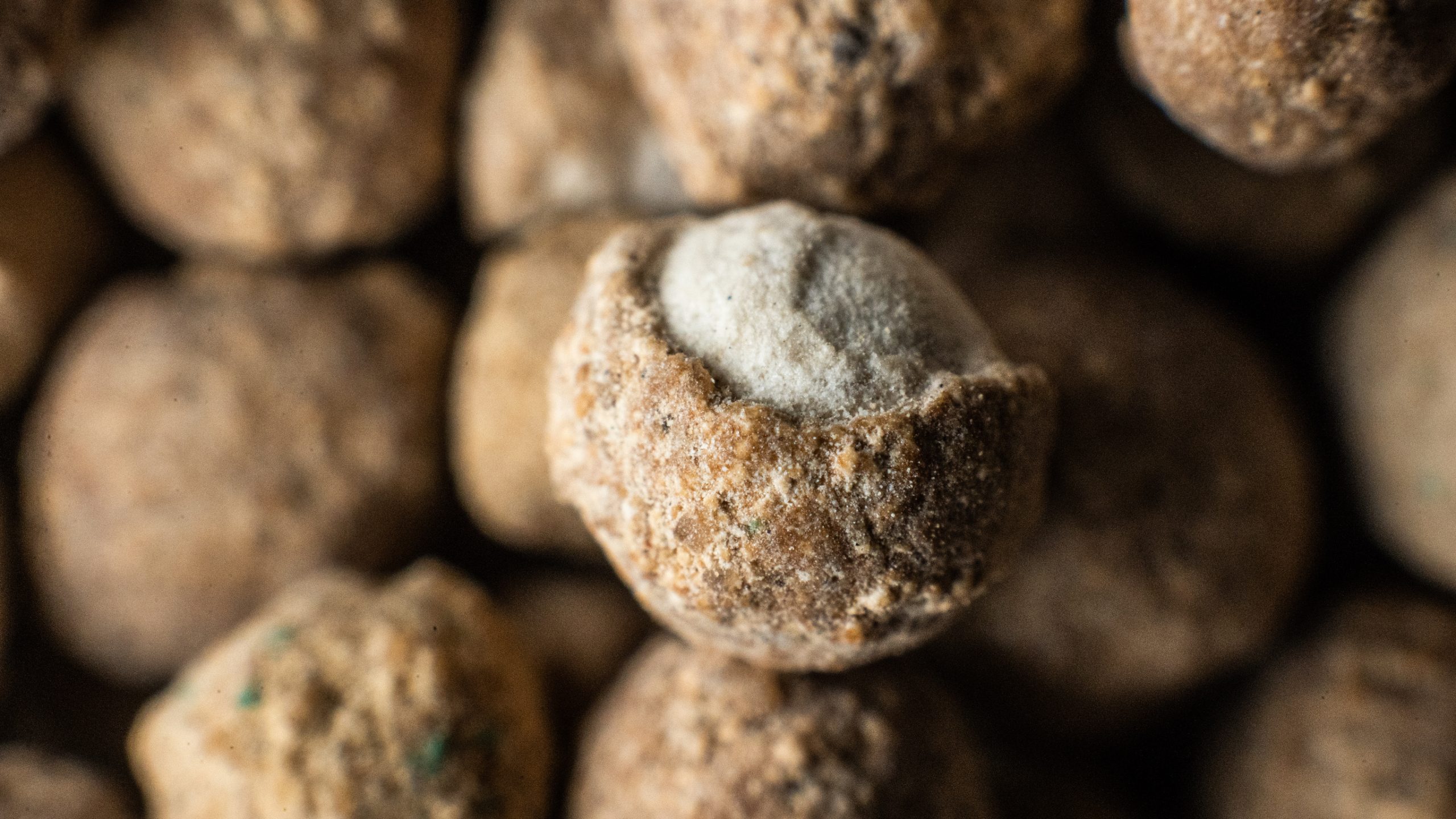
Transitioning dairy cows experience heightened metabolic activity and nutrient demands, making adequate mineral supplementation imperative for supporting their health and performance. You know your springers
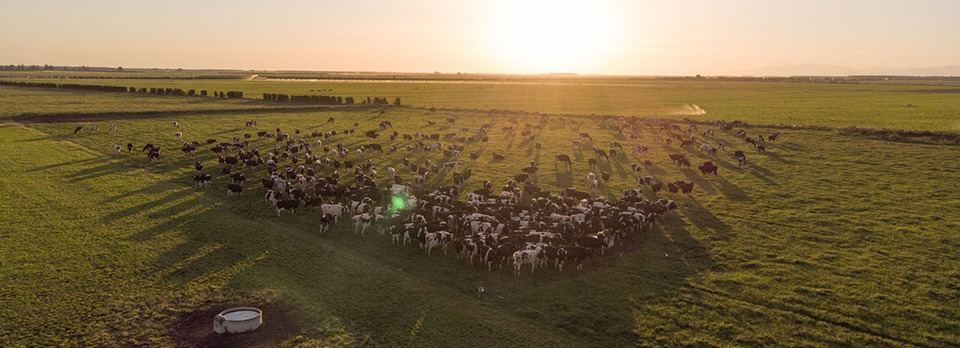
When I started working with farmers 40 years ago, if you asked a farmer what fertilizer he used, he would invariably tell you how much Super he was applying. Back then fertilizer was either straight super or potassic super. Most farmers could readily rattle off the units of P being applied per acre. It was common to see soil ‘Olsen P’ levels in excess of 60 on loam soils and as high as 110 on some pumice soils. Pasture commonly came back at levels in excess of 0.55% P on a dry matter basis.
At the time, if you had the courage to suggest to a farmer that he consider cutting back the phosphorus he used… he would give you a very nervous look.
Jump forward to the present day, farmers haven’t just been weaned off their P addiction, many have gone cold turkey. Because of environmental constraints around feed brought onto the farm, many farms see little or no P fertilizer being applied. As the fertilizer budget is reduced, this situation has seriously decreased plant P levels. Adding to the issue is that NZ cows used to be fed mainly grass. They are now fed a variety of feeds, many being P deficient yet supplying high soluble sugar or starch level. Where it used to be rare to see a case of phosphorus deficiency it is now becoming a common problem.
A DEVELOPING CONCERN
There is hardly a day goes by when we don’t hear from a farmer describing what they think are normal calcium deficient downer cows. When questioned, the symptoms often don’t quite fit, these cows don’t always respond so well to normal treatment. Sometimes a bottle of calcium in the vein will get them up, only for many to go back down again later. Often these cows will only respond to a calcium phosphorus combination into the vein, or if given calcium borogluconate can tend to go down again.