
DAIRY GOATS: FEEDING FOR PERFORMANCE
Most dairy goat farmers focus on getting energy, protein, and fibre right, and fair enough – feed drives milk. But even the best ration won’t

Most dairy goat farmers focus on getting energy, protein, and fibre right, and fair enough – feed drives milk. But even the best ration won’t
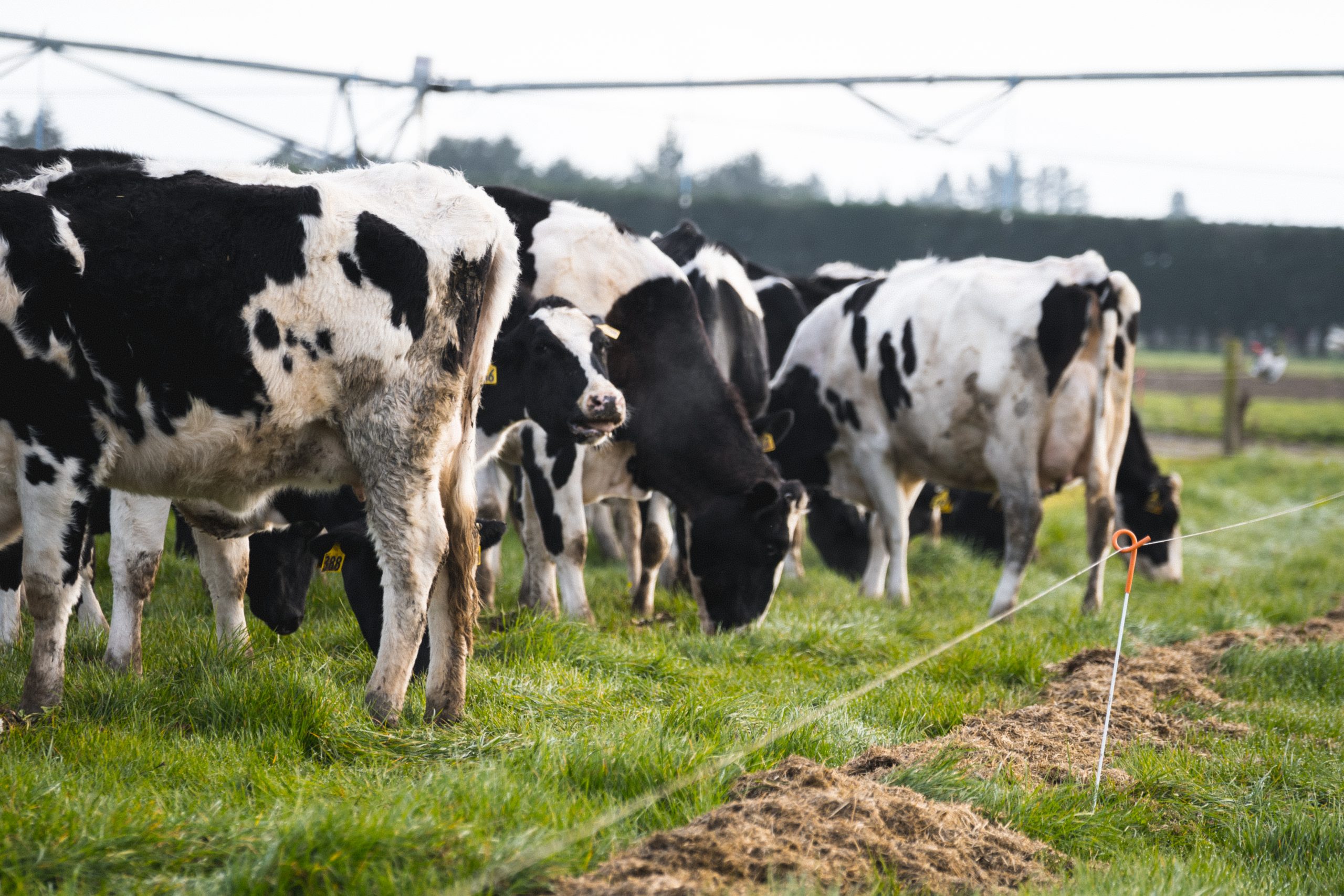
The arrival of another busy calving period means the next few weeks represent a critical time for cows and calves alike. Both need the best
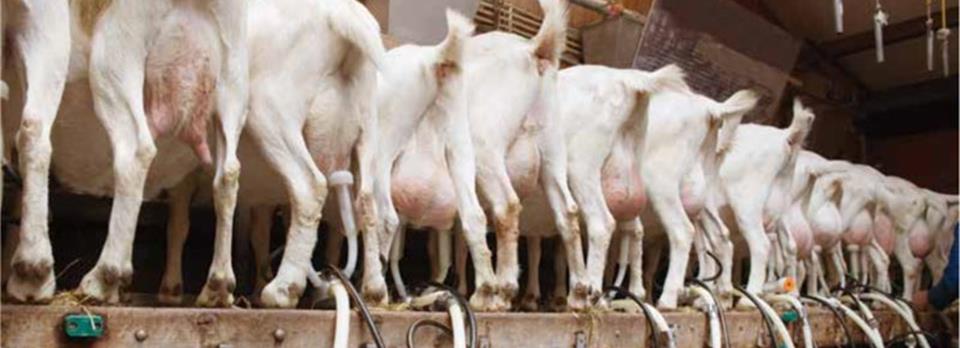
It is tempting, given the limited research around goat nutrition to assume a goat’s nutritional requirements fit somewhere between that of sheep and cattle. This assumption would be a mistake. When it comes to mineral nutrition goats have very different requirements.
Based on a goat’s production level when related to body weight and feed intake, these small ruminants are probably better compared to the ruminant equivalent of an F1 racing car. Just as you wouldn’t run a high performance car on low octane fuel, you shouldn’t feed your goat the same way as you would cattle and sheep. Goats have different and very specific nutritional requirements. If these requirements are not met, the animal will not perform to its full potential, and worse still will be subject to a higher level of disease.
The interesting thing about goats is that their requirement is both higher and lower depending on the element in question. While their milk is in many ways more nutritious than that of a dairy cow, nature has at the same time designed the animal to survive under very different conditions, and on a very different diet from that of a cow.
SO WHAT ARE THE MINERAL REQUIREMENTS OF DAIRY GOATS?
Lets start with one of the key macro elements, phosphorous. Goats typically have a lower requirement for phosphorous to that of dairy cattle. They seem to be better at recycling it and while they have higher levels in their saliva, losses during rumination are lower than that of a cow.
In contrast calcium requirements are quite high and should be set at least twice that of phosphorous in the diet.

Calf rearing good practice ensures healthy, happy calves!
Approximately 1.5 million calves are reared in New Zealand each year – 1 million being dairy heifers that will become the future herd replacements. How these calves are raised will affect how they grow and at what weight they enter the herd. It is essential to give such calves a great start to life so as to ensure a long productive, healthy milking life. Heifers that reach target weights make successful milking cows and raising them well starts from the day they are born.
COLOSTRUM
Within the first 24 hours of being born, all calves, including bobbies must receive adequate fresh colostrum or a colostrum substitute and this should continue for at least the first 4 days of life because it will protect against disease by fighting infections within the gut. The calf should drink at least 2 litres of fresh gold colostrum during the first 6 hours of life, and then again at 12 hours to get protective antibodies known as immunoglobulins as they are born with poorly developed immune systems. This process is most effective in the first 24 hours after birth and is known as ‘passive transfer.’ Failure to do this, known as Failure of Passive Transfer (FPT) to absorb enough immunoglobulins in these first critical 24 hours, can make a calf susceptible to disease, death and long term reductions in animal productivity. Past studies have found that 10 – 40% of calves are deficient in colostrum which can result in higher morbidity rates and slower growth rates through to 14 weeks of age.
REASONS FOR FPT
FPT is fairly common with NZ studies indicating a 33% prevalence at various intervals during the spring calving period. A number of reasons why calves get FPT are the following: a) the colostrum has inadequate immunoglobulin levels, b) feeding insufficient volumes of colostrum, c) feeding takes place too late after birth and d) bacteria especially Coliforms contaminate the colostrum at harvest, during storage or at feeding.
TESTING & PREVENTING FPT
To combat FPT, it is imperative that you test your calves to make sure that they are getting enough high quality colostrum within the first 24 hours of life. There are a number of ways to measure and prevent FPT: