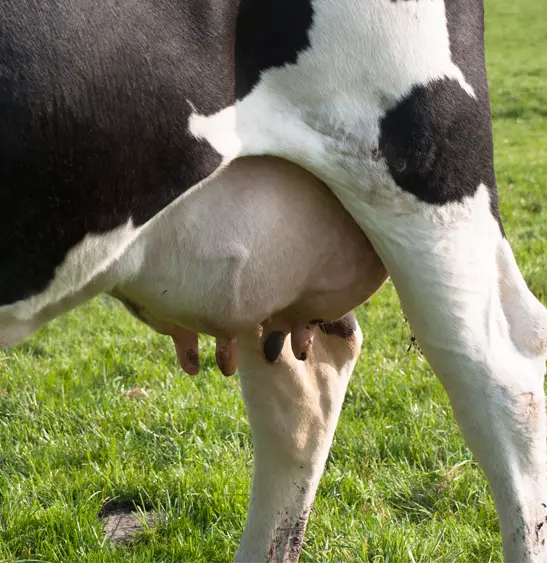
THE LINK BETWEEN UDDER HEALTH AND DRY COW MANAGEMENT
Last month we talked about why dry cow management is critical, though often overlooked. This month I wanted to dive further into the dry period’s

Last month we talked about why dry cow management is critical, though often overlooked. This month I wanted to dive further into the dry period’s
We need to stop treating the dry period as just a rest between lactations and understand that it’s a significant biological reset that impacts the
Minerals and the Transition Period
The Transition cow mob, more commonly referred to by farmers as the springer cow mob, has the potential to respond to a higher level of thought and attention. Making key decisions around feeding and supplementation of this mob can have a bigger impact on a dairy farm’s profitability than any other single set of management decisions made throughout the rest of the season. A well transitioned cow will normally produce more total milk, have less disease issues, and a better reproductive outcome, than cows that don’t receive as much attention around this time.
Most experts agree that the transition period begins 21 days prior to the day the cow gives birth, into 21 days of lactation. For any cow this is a period of vast metabolic change. During this time their hormone levels are going through rapid developments as the body gets ready to mobilise many of the key minerals required, as well as preparing her body to mobilise the vast amounts of energy required during birth and lactation. Transition is normally the single highest stress period a cow will experience each year.
A TIME NOT TO DO THINGS BY HALVES
Both the period prior to calving and the period after calving are equally important to ensure the cow will produce at her potential, remain healthy and conceive again when mated. In my experience farmers will tend to either concentrate on the period leading up to calving or the period after – most commonly the period after calving gets most attention. And this can create a problem. In this article we will concentrate on the transitioning of cows only, rather than heifers (first calvers) where the focus need only be on ramping up the feed rate prior to calving. Transitioning cows is a very different process, a cow that is not transitioned correctly leading up to calving is a cow that will calve with her metabolic processes operating well short of full potential. She will be more exposed to both clinical and subclinical metabolic disease through either being calcium deficient or lacking the ability to mobilise sufficient calcium, ketosis, fatty liver disease, or possibly a combination of these problems.
With winter approaching you will no doubt be giving some thought to what date the cows should be dried off.
SETTING THE DATE:
Most of you will consider a number of factors when deciding on the exact date and approach used. Among things that will be considered will be, available feed, current cow condition, as well as expected calving spread. Some of you will choose to dry the whole herd off in one go, others will choose to dry off based on current condition, lighter cows first, heavier cows later, or if the calving dates are well spread, the decision may be based more around expected calving date.
DIFFERENT TECHNIQUES:
Many farmers may consider drying off their cows gradually by extending the time between milking’s, however expert opinion seems to favour, simply ceasing to milk the cow causing sudden dry off, as it is thought that this approach minimises risk of udder infection.
THINGS TO CONSIDER: