
Acidosis / SARA
What is it?
Sub-acute ruminal acidosis (SARA) occurs when cows are fed high-energy, low-fibre diets, typically during early lactation. Prolonged low rumen pH reduces ruminal function, decreases feed intake, and impairs overall health.
At a glance
Sub‑acute ruminal acidosis (SARA) happens when cows eat diets too high in fermentable carbohydrate and too low in effective fibre. Rumen pH stays low for extended periods, rumen function falls, intake drops and cows lose condition or production. Quick checks, slow transitions and protecting effective fibre in the ration usually fix the problem; however, persistent SARA needs nutritionist and vet input.
If you need help checking your plan, talk with your Agvance consultant.
Symptoms
- Reduced feed intake
- Slow eating or dropping back from the break
- Decreased milk yield and lower fat percentage
- Loose manure with undigested grain or a watery consistency
- Discomfort, such as kicking at the belly, shifting weight, restlessness
- Increased lameness and hoof issues
What you might notice on-farm
You often see SARA after feed changes or when cows get too much high‑starch feed without enough effective fibre. Common on-farm signs:
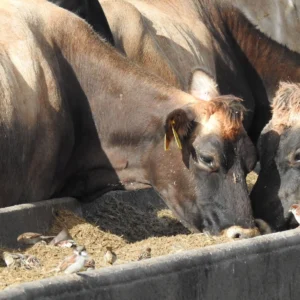
- Cows sorting feed, leaving fibre and eating grain or supplements first.
- Lowered rumen fill and cud‑chewing, slow rumination after the feed pad.
- A drop in milk fat test and a shift in milk components.
- More cows with loose manure, spotting undigested grain.
- Increased lame cows or more foot trimming issues in the weeks after a diet change.
- Clustered by mob, with high-yielding groups pushed hardest on concentrates.
If these appear after a ration change, treat it as a feeding management issue, not just individual cow problems.
What good looks like
Targets for reduced SARA risk:
- Steady intake and visible rumen fill across the mob within 24-48 hours of feeding.
- Regular cud‑chewing and consistent manure texture (not watery).
- Milk fat and yield are stable for the herd’s production level.
- A diet with adequate effective NDF (fibre) and controlled fermentable starch intake.
- Smooth transitions onto crops or high‑energy supplements with low sorting.
Follow these quick checklists
What to do today
- Check the newly fed ration for particle length and visible sorting.
- Walk the pad/feed area and note which cows are leaving fibre or picking grain.
- Inspect manure for loose texture or undigested grain and record affected mobs.
- Reduce concentrate push for high‑risk mobs and reintroduce fibre buffers (straw, hay) if safe.
- Call your nutritionist/vet if many cows show signs or milk fat has dropped sharply.
What to do this week
- Get a feed test (starch, sugar, NDF, particle size) if you’re changing crops or mixes.
- Review mixing and feeding procedures – ensure even spread and minimal sorting.
- Monitor milk fat, volume and health data by mob to find patterns.
- Prioritise slow transitions onto crops – blend in concentrates over days, not hours.
Before major feed changes (e.g., crop grazing, new supplement):
- Plan a phased introduction with clear days for target concentrate levels.
- Ensure effective fibre is available at the time cows eat concentrates.
- Check water access and trough space as competition increases sorting.
- Brief staff on signs of SARA and steps to slow down concentrate delivery if needed.
Issues, likely causes and where to start
If symptoms begin after a sudden ration change (crop or high-concentrate feed)
Likely causes:
- Rapid increase in fermentable carbohydrate and starch.
- Insufficient effective fibre or particle length in the new diet.
Start with:
- Slow the introduction of the new feed, pull back concentrate rates and add roughage.
- Check mixing, distribution and whether cows are sorting at the feed face.
If milk fat drops and cows show loose manure, but intake is similar
Likely causes:
- Subclinical SARA from too much rapidly fermentable carbohydrate or inadequate fibre effectiveness.
Start with:
- Check feed particle size (PEF/LPSC) and consider increasing physically effective NDF.
- Use buffers (e.g., Calsea) or forages with longer particle length while consulting your nutritionist.
If lameness and hoof issues increase after diet changes
Likely causes:
- Repeated low rumen pH leading to laminitis sequelae and hoof horn problems
Start with:
- Address the feeding cause immediately, separate affected cows for hoof care, and review foot hygiene and standing times.
If mobs are sorting or shy feeders are missing fibre
Likely causes:
- Poor feed presentation, uneven mixing or competition at the trough
Start with:
- Improve mixing, feed to reduce sorting (add chop length, use straw or silage to bind), and check feed space per cow.
When to call the vet
Call your vet or nutritionist if:
- Many cows show loose manure, low milk fat, and reduced intake across a mob.
- Lameness suddenly increases following a feed change.
- You’re unsure whether signs are SARA or another problem (e.g., infectious disease).
Early vet/nutritionist input prevents ongoing production loss and longer‑term hoof issues.
How minerals fit in
Minerals don’t fix SARA, but they interact with rumen health and should be managed alongside the diet:
- Adequate magnesium supports rumen motility and cud‑chewing; low magnesium can worsen acidosis effects.
- Sodium and electrolytes help buffer rumen pH, practical use of buffers (bicarbonate) can assist in the short term.
- Trace mineral status (e.g., copper, selenium) affects overall cow resilience but won’t stop SARA without feeding changes.
How to make minerals work on-farm
- Match your delivery method to your system, whether that be in-feed, water soluble, in-shed, or free choice, based on what will be taken consistently.
- Avoid top-dressing concentrates with minerals that cows can pick out
- Protect any shy feeders by putting minerals into the feed component most reliably eaten, at the time cows are most hungry.
- Go beyond “in theory”. The numbers on paper don’t matter if the cows are sorting, missing it, or not getting access to the mineral being fed.
- Use custom blends to balance the full ration when feeds are “out of the ordinary”. Fodder beet and brassicas can be high-energy and low-protein, and mineral gaps shift through wintering systems.
FAQs
What causes SARA?
Too much rapidly fermentable carbohydrate and too little effective fibre, often from sudden feed changes or pushing concentrates without protecting rumen function.
What should I check first if I suspect SARA?
Look for sorting at the feed face, check manure consistency, review recent ration changes, and reduce concentrate push while adding fibre.
How quickly will cows improve after changes?
Some cows recover within days with corrected feeding; herd‑level milk fat and lameness issues may take weeks to settle.
Can minerals prevent SARA?
No single mineral prevents SARA. Adequate magnesium and appropriate buffering agents help rumen function, but the core fix is diet structure and effective fibre.
When should I call a nutritionist or vet?
Call when multiple cows or a whole mob show signs, when milk fat drops sharply, or if lameness rises after a feed change. Early specialist advice avoids bigger losses.
Recommended products




Let’s work together

Agvance Nutrition is proudly BioGro certified, with a wide range of livestock and soil nutrition products approved for organic use.