
LIVE YEAST, FIBRE DIGESTION, AND FEED CHANGES
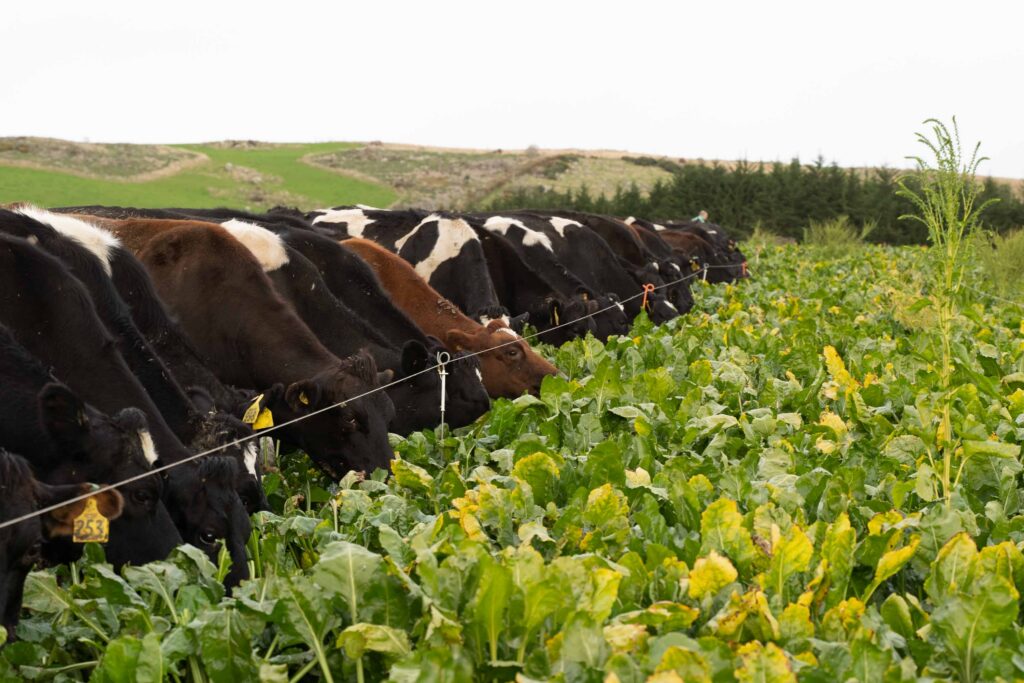
March often brings a useful mix of opportunity and risk on New Zealand dairy farms. This year’s summer rains have kept pastures growing well in most regions, providing a better-than-average opportunity to hold milk solids at good levels into the autumn. At the same time, many herds are about to transition onto crops or increase […]
THE BIG 3 MACRO MINERALS IN LATE LACTATION: MAGNESIUM, CALCIUM & PHOSPHORUS
Late lactation is often viewed as a low-demand phase, when cows are winding down, and we dial down our supplements accordingly. However, this depends on the season, as many herds across the country are still producing strongly due to good weather and pasture growth. With this higher production, pregnancy advancement and changeable weather patterns, demand […]
ERGOT TOXINS: WHAT TO WATCH FOR
Summer can be a tricky period on farm. Cows approach the summer period milking well, but the summer heat causes rapid changes in pasture. These changes can negatively affect cow performance. Farmers often observe a subtle drop in dry-matter intake, along with a drop in milk production, with no obvious reason. Cows can become fidgety […]
HOW TO SUPPORT YOUR HERD AGAINST HEAT STRESS AND DIET VOLATILITY
Summer pressure often shows up as two problems at once: cows get hot, then they stop eating consistently. When intake and grazing patterns change, so do rumen conditions. That’s when you see milk solids flatten, looser manure, and cows looking “off” without a single obvious cause. When does heat stress start? Cows can start feeling […]
HOW DOES LIVE YEAST IMPROVE FIBRE DIGESTION IN DAIRY COWS?
When you feed a cow, you are really feeding the rumen microbes first. Fibre digestion depends on a steady population of fibre-eating bacteria and fungi that stick to pasture and silage. Live yeast (a living Saccharomyces cerevisiae product) can help those fibre-digesters do their job in three main ways. 1. It makes the rumen […]
ARE YOUR COWS EXPERIENCING B1 DEFICIENCY?
B1, also called thiamine, is made in the rumen. When the rumen is unsettled, or cows are under heat or feed stress, B1 levels can drop fast. The first sign is often a sudden drop in milk, then the cows start showing strange behaviour. Quick takeaways A sudden milk drop can be the first sign. […]
ARE YOU STILL FEEDING MINERALS LIKE IT’S 1999?
We’ve come a long way in dairy farming over the past couple of decades. Genetics are better, sheds are more modern and we have more data at our fingertips than ever before. But this progression, for some reason, doesn’t translate through to feeding minerals. We see a lot of farms relying on the same old […]
THE LINK BETWEEN WINTER NUTRITION AND A SMOOTH TRANSITION
Wintering decisions shape the success of early lactation. Poor nutrition through winter can lead to costly problems, including slow calving recoveries, retained membranes, ketosis, and subclinical milk fever. Energy and protein: Getting the balance right A cow’s energy and protein needs change through winter. Too little energy, and she will calve in poor condition, struggle […]
THE LINK BETWEEN UDDER HEALTH AND DRY COW MANAGEMENT
Last month we talked about why dry cow management is critical, though often overlooked. This month I wanted to dive further into the dry period’s importance to udder health. During this time, the cow’s udder repairs itself, her immune system gets back on track, and her body builds up reserves for the next lactation. If […]
WHY DRY COW MANAGEMENT IS THE FIRST STEP TO A PRODUCTIVE SEASON
We need to stop treating the dry period as just a rest between lactations and understand that it’s a significant biological reset that impacts the health and productivity of the next lactation. While the transition period is often considered the most important time, what happens during the dry period sets the stage for success. Managing […]